


Texas Democrats Score Stunning Upset Victory in Republican Stronghold
A Shocking Political Reversal in Fort Worth
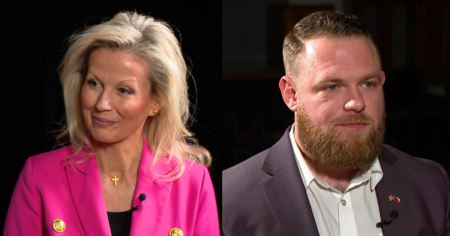
In a result that sent shockwaves through American politics, Democrat Taylor Rehmet achieved what many considered impossible just months ago—flipping a solidly Republican Texas state Senate seat that former President Donald Trump had carried by a comfortable 17-point margin in 2024. The special election held on Saturday wasn’t just another local race; it represented the latest in a series of surprising Democratic victories that have emerged across the country since Trump’s return to the White House. Rehmet, a labor union leader and military veteran, didn’t just squeak by in this Fort Worth-area district—he dominated, winning by more than 14 percentage points against conservative activist Leigh Wambsganss. This represents an astonishing 30-point swing from Trump’s performance in the same area. As results came in showing the magnitude of the upset, Rehmet told his jubilant supporters, “This win goes to everyday working people,” a message that seemed to resonate powerfully with voters who had traditionally backed Republican candidates. The victory carries particular significance as it continues a pattern of Democratic overperformance in special elections throughout the past year, suggesting a potential shift in the political landscape that could have major implications for upcoming midterm elections.
Trump’s Quick Distance from the Defeat
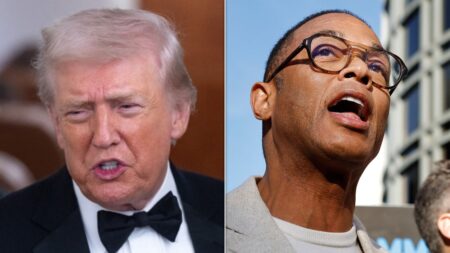
The magnitude of the loss in what should have been safe Republican territory prompted an immediate response from President Trump, though perhaps not the one his party faithful might have hoped for. Speaking to reporters at his Mar-a-Lago resort on Sunday, Trump sought to minimize his connection to the race, stating flatly, “I’m not involved in that. That’s a local Texas race.” The comment represented a stark reversal from just one day earlier, when Trump had taken to his social media platform to actively encourage voters to support Wambsganss, praising her as a successful entrepreneur and “an incredible supporter” of his Make America Great Again movement. This rapid pivot from endorsement to detachment reflects a familiar pattern for Trump when faced with electoral setbacks—claiming credit for victories while distancing himself from defeats. However, the contradiction between his Saturday endorsement and Sunday disavowal was particularly striking given the short timeframe involved. For political observers, Trump’s reaction highlighted the challenge facing Republicans: the former president’s endorsement, once considered political gold in conservative districts, may no longer carry the weight it once did, particularly in areas experiencing demographic changes or where voters are expressing dissatisfaction with current Republican policies and leadership.
Republican Leaders Sound the Alarm
The response from Texas Republican leadership was considerably more somber and reflective than Trump’s dismissal. Republican Texas Lieutenant Governor Dan Patrick didn’t mince words when he called the result “a wake-up call for Republicans across Texas,” a state where the GOP has maintained control of every statewide office and enjoyed dominance for decades. Patrick’s statement on the social platform X acknowledged the uncomfortable reality that Republican voters “cannot take anything for granted,” while also noting that low-turnout special elections are inherently unpredictable and may not reflect broader political sentiment. Despite this caveat, Patrick’s message carried an unmistakable tone of urgency as he promised, “I know the energy and strength the Republican grassroots in Texas possess. We will come out fighting with a new resolve, and we will take this seat back in November.” Wambsganss herself echoed this concern in her concession statement, warning her party about complacency and noting that “The Democrats were energized” while “too many Republicans stayed home.” The seat had been held by four-term GOP incumbent Kelly Hancock, who resigned to take a statewide office. Hancock had won each of his elections easily, and Republicans have controlled this particular seat for decades, making the loss all the more jarring for a party that had considered this territory reliably theirs.
Part of a Broader Democratic Winning Streak
Rehmet’s victory in Texas isn’t an isolated incident but rather the latest chapter in an unexpected story of Democratic electoral success that has been unfolding since March of the previous year. The pattern began when Democrats prevailed in a Pennsylvania legislative district made up of suburbanites and farmers—territory that Democrats hadn’t held in a century. This unlikely win was followed by continued success through November, with Democrats dominating both candidate races and ballot initiatives from Maine to California. In New York City, Zohran Mamdani, an openly Democratic Socialist candidate, was elected mayor of the Democratic stronghold in a race that saw the highest voter turnout for a mayoral contest in 50 years, suggesting heightened voter engagement and enthusiasm. Democrats also secured gubernatorial victories in Virginia and New Jersey, along with special election wins in Kentucky and Iowa. Even in races where Republicans prevailed, such as Matt Van Epps’s win in a Tennessee special election for a U.S. House seat, the relatively slim margin of victory gave Democrats encouragement heading into the fall midterm elections. Democratic Party leaders point to these results as evidence that voters are increasingly motivated to reject Republican candidates and their policies under the second Trump administration, with Texas Democratic Party Chair Kendall Scudder stating that Rehmet’s victory “shows what is possible in Texas with strong organizing, great candidates and strategic investments.”
Understanding the Electoral Dynamics and Trump’s Declining Approval
The string of Democratic victories is occurring against a backdrop of concerning polling numbers for President Trump, whose approval ratings have held steady at around 40%—a historically low figure for a sitting president. A January poll conducted by AP-NORC found that a majority of U.S. adults disapprove of Trump’s handling of several key policy areas, including foreign policy, trade negotiations, immigration, and notably, the economy—an issue that Republicans have traditionally claimed as their strength. These numbers suggest that Trump’s political brand, while still powerful among his core supporters, may be struggling to maintain the broader appeal necessary to carry Republican candidates in competitive districts. The Texas district where Rehmet prevailed illustrates this challenge perfectly: while redder than its home county of Tarrant County overall, the area has shown signs of political evolution. Trump won Tarrant County by just 5 points in 2024, and Democratic President Joe Biden had actually carried it in 2020 by approximately 1,800 votes out of more than 834,000 cast. This narrow margin demonstrates the competitive nature of the region and suggests that demographic changes and shifting voter priorities are creating opportunities for Democrats in places that were once considered safely Republican. Rehmet’s campaign benefited from significant support from national Democratic organizations, including the Democratic National Committee and VoteVets, a veterans group that invested $500,000 in advertising on his behalf, demonstrating the party’s commitment to competing even in traditionally Republican territory.
Looking Ahead to November and Beyond
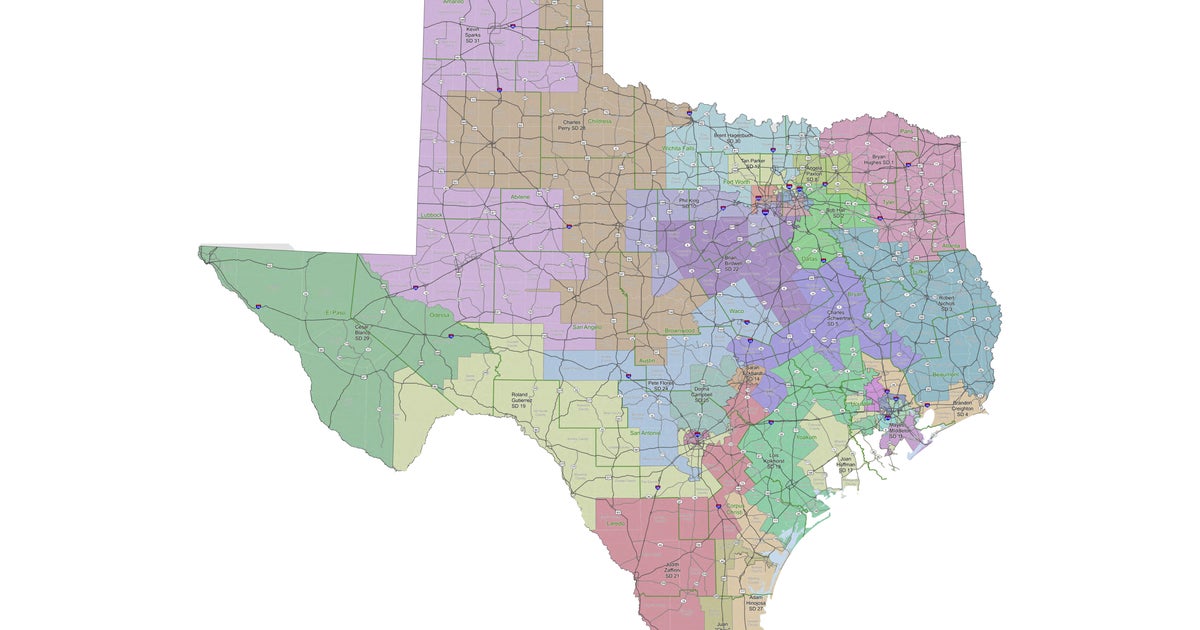
While Rehmet’s victory is significant, it comes with important caveats that both parties are already considering as they prepare for the next round of electoral battles. Due to the nature of the special election, Rehmet will serve only until early January, and he’ll face Wambsganss again in the November general election to secure the seat for a full four-year term. The Texas Legislature isn’t scheduled to reconvene until 2027, and Republicans will maintain a comfortable majority in the state Senate regardless of this single seat. However, the symbolic and momentum-building aspects of the victory shouldn’t be underestimated. Rehmet’s campaign focused on kitchen-table issues that resonated with working-class voters: lowering costs, supporting public education, and protecting jobs. As a machinist who served in the Air Force, Rehmet presented himself as one of the “everyday working people” he pledged to represent, a personal narrative that proved compelling to voters. Meanwhile, Trump and Vice President JD Vance have been pushing states to redraw their political maps to Republicans’ advantage ahead of the midterm elections, which will determine partisan control in Washington. Some Democratic states, most notably California, have responded with their own redistricting efforts, setting up a battle over electoral maps that could prove as consequential as the elections themselves. For Democrats, the Texas result and other recent victories suggest their message and organizing efforts are connecting with voters in ways that give them genuine hope for competitive races in November’s midterms, potentially challenging Republican control in unexpected places across the country.