


The Fight for Justice: Senate Democrats Demand Federal Investigation Into Fatal ICE Shooting
A Tragedy That Sparked National Outrage
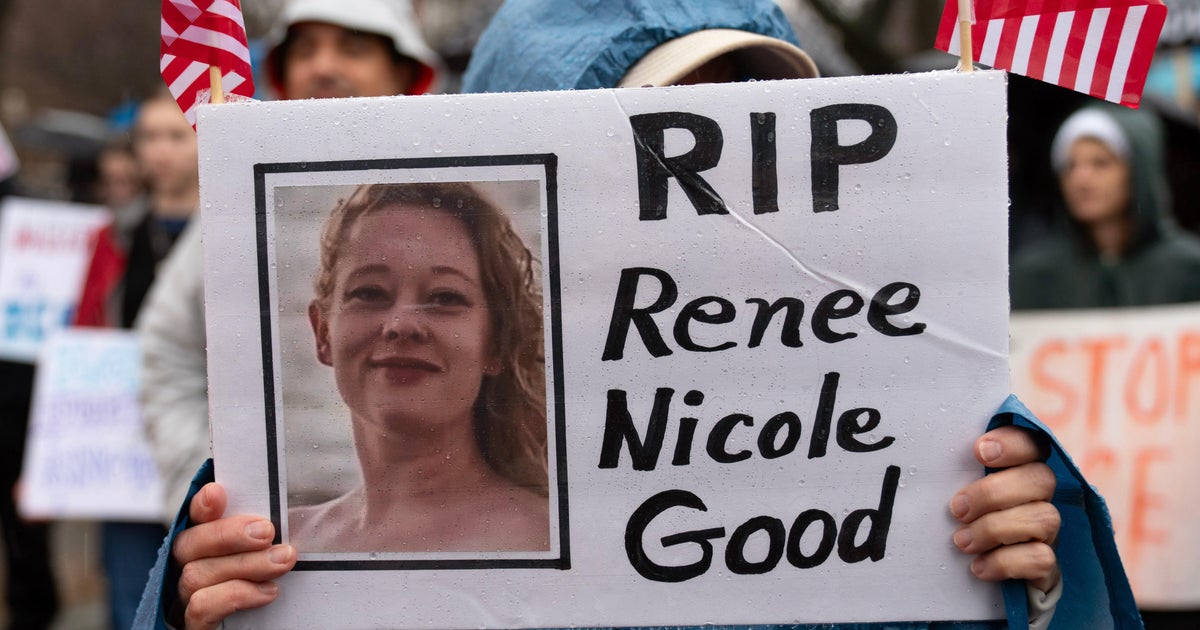
The fatal shooting of Renee Good has become a flashpoint in a growing debate about accountability within federal law enforcement agencies. On January 7th, Good was shot and killed by an Immigration and Customs Enforcement (ICE) agent while sitting in her car, an incident that has sent shockwaves through Minneapolis and beyond. What makes this tragedy even more troubling is how the Trump administration has chosen to handle—or rather, not handle—the investigation into her death. Instead of launching a comprehensive probe into the actions of the federal agent who pulled the trigger, the Justice Department made the controversial decision to shift focus away from the shooting itself and instead investigate Good’s wife. This decision has sparked widespread protests, mass resignations among career Justice Department attorneys, and now a formal push from Senate Democrats demanding that the department’s Civil Rights Division do its job and investigate whether Good’s civil rights were violated. The situation has only intensified with the recent shooting death of Alex Pretti in Minnesota, creating a pattern that critics say demonstrates a troubling unwillingness by the current administration to hold federal agents accountable for their actions.
Senate Democrats Demand Accountability
In response to what they see as a complete failure of leadership, Senate Democrats on the Judiciary Committee have taken action. In a letter obtained by CBS News and addressed to the Justice Department’s Civil Rights Division, these lawmakers are demanding that the department “listen to career prosecutors and open a civil rights investigation into the death of Ms. Good.” Leading this effort is Senator Peter Welch, a first-term Democrat from Vermont, who didn’t mince words when describing the situation. “The Civil Rights Division’s refusal to investigate is a complete abdication of responsibility and an attempt to cover for DHS and ICE’s horrific conduct,” Welch told CBS News. He added that “The families of Renee Good, and now Alex Pretti, deserve answers and accountability.” This isn’t just political grandstanding—it’s a response to what appears to be a fundamental breakdown in how justice is being administered. The letter represents the concerns of multiple senators who believe that the Justice Department is abandoning its core mission to protect civil rights and instead is prioritizing protection of federal agents over the citizens they’re supposed to serve.
A Troubling Pattern of Misdirection
What happened in the immediate aftermath of Good’s shooting reveals a disturbing pattern. According to CBS News reporting, the incident was initially treated as what it appeared to be: a potential civil rights violation that warranted investigation. However, Justice Department leadership soon intervened and completely changed the direction of the inquiry. Instead of investigating whether the ICE agent acted inappropriately or illegally when shooting Good, the FBI and federal prosecutors were instructed to treat the matter as an assault on a federal officer. Even more remarkably, they were told to investigate Good’s wife rather than examining the conduct of the agent involved in the shooting. This dramatic shift in investigative focus didn’t sit well with many career Justice Department employees who have dedicated their lives to upholding the law impartially. The decision represented such a departure from normal protocol and basic principles of justice that it triggered a wave of resignations among experienced attorneys who had built their careers on investigating exactly these types of incidents. These weren’t political appointees looking to make a statement—these were seasoned professionals who felt they could no longer do their jobs with integrity under the current leadership.
Career Prosecutors Walk Away in Protest
The internal rebellion within the Justice Department speaks volumes about how controversial this decision has been. In their letter to Assistant Attorney General for Civil Rights Harmeet Dhillon, the Senate Democrats noted that “After you informed Division personnel that you would not consider opening an investigation into whether the ICE agent violated federal law, several career prosecutors — including the head of the Criminal Section, which is responsible for these investigations — accelerated planned departures from the Division.” One particularly notable resignation was that of Tracee Mergen, who served as the acting FBI supervisor of the Public Corruption Squad in the Minneapolis Field Office. Multiple sources confirmed to CBS News that Mergen resigned last week in part because of how the Good investigation was being handled. According to someone with knowledge of her departure, Mergen left the FBI “in part due to the pressure on her to reclassify/discontinue the [Good] investigation.” Another FBI source said Mergen “would not bow to pressure” from leadership. These aren’t the actions of people looking for early retirement or career changes—these are the decisions of principled professionals who felt they were being asked to compromise their integrity and abandon the mission they signed up to fulfill.
Political Interference Undermining Public Trust
The concerns raised by Senate Democrats go beyond just this one case. In their letter to Dhillon, they wrote: “Your decision not to investigate Ms. Good’s killing reflects a trend in the Division under your leadership of ignoring the enforcement of civil rights laws in favor of carrying out President Trump’s political agenda. This trend, combined with apparent political interference in investigative and prosecutorial decisions, undermines public trust, the legitimacy of our institutions, and the rule of law.” These are serious allegations that strike at the heart of what the Justice Department is supposed to represent. The department exists to ensure that justice is applied fairly and equally, regardless of political considerations or who the potential defendant might be. When career prosecutors and FBI agents feel they’re being pressured to ignore potential civil rights violations by federal agents, it suggests a fundamental corruption of the department’s mission. The Justice Department’s response to these concerns has been minimal and dismissive. When asked for comment by CBS News, a department spokesperson simply referred to a statement made earlier in the month by Deputy U.S. Attorney General Todd Blanche, which said, “There is currently no basis for a criminal civil rights investigation.” This terse response does nothing to address the substantive concerns being raised by both current and former Justice Department employees.
Former DOJ Employees Sound the Alarm
The criticism isn’t just coming from within the current Justice Department ranks or from Democratic politicians—it’s also coming from those who have previously served in these roles and understand what’s at stake. Stacey Young, founder and executive director of Justice Connections, an organization that serves former Justice Department employees including attorneys who investigated police shootings, offered a scathing assessment of the situation. “Good policing requires public trust and accountability,” Young said. “Rather than investigating allegations of unlawful, excessive force by federal agents in Minneapolis, the Justice Department has launched investigations into conduct by victims and surviving family members instead of the agents who fired the guns. The Justice Department has its mission in its title — but in cases like these, justice is nowhere to be found.” This statement captures the fundamental problem with how these cases are being handled. When the families of victims become the subjects of investigation while the agents who killed their loved ones face no scrutiny, it completely inverts the proper role of law enforcement oversight. The situation in Minneapolis, with both the Good and Pretti shootings raising similar concerns, suggests this isn’t an isolated incident but rather a systematic problem in how the current administration approaches accountability for federal law enforcement. The families affected by these tragedies deserve more than bureaucratic dismissals and redirected investigations—they deserve real answers about what happened and meaningful accountability if wrongdoing occurred.