

Trump and Modi Strike Major Trade Agreement: A New Chapter in US-India Relations
Historic Deal Reduces Tariffs and Reshapes Energy Partnerships
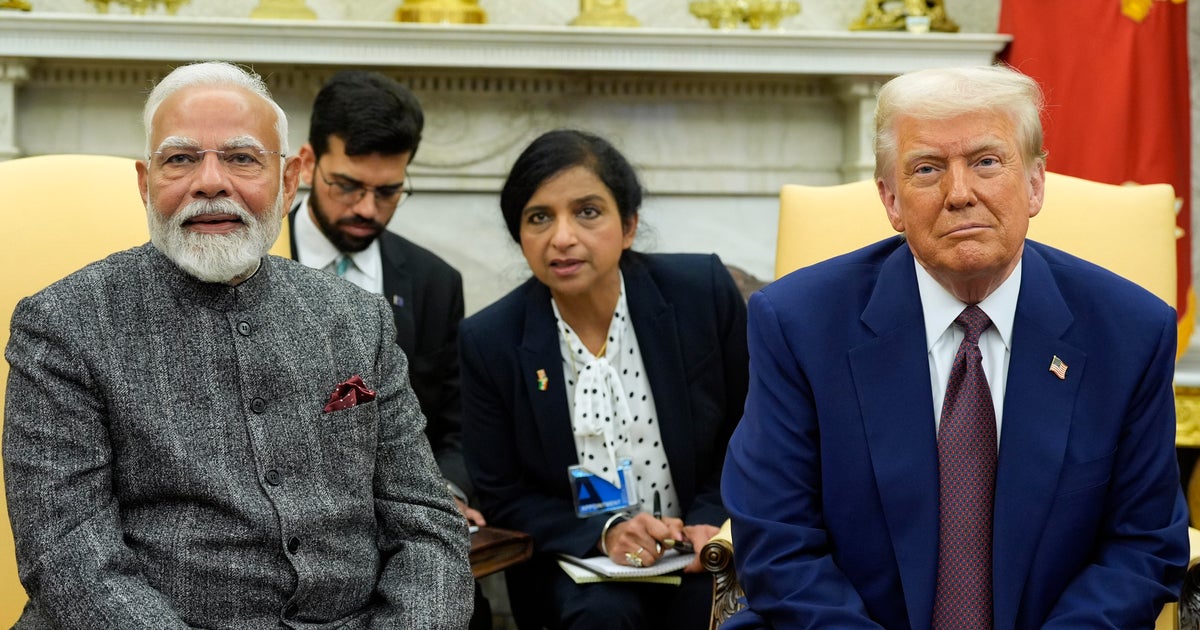
In a significant development for international trade relations, President Donald Trump announced on Monday that the United States and India have reached a comprehensive trade agreement that promises to reshape economic ties between the world’s two largest democracies. The deal, which comes after months of escalating trade tensions, will see tariffs on Indian products entering the United States reduced from 25% to 18%, while India has committed to eliminating its own tariffs and non-tariff barriers against American goods entirely. This breakthrough agreement represents more than just numbers on a spreadsheet—it signals a potential thawing of relations that had grown increasingly strained over India’s continued energy purchases from Russia during the ongoing Ukraine conflict. For American businesses, particularly those in the energy, technology, and agriculture sectors, this deal opens the door to one of the world’s most populous markets with unprecedented access. For Indian manufacturers and exporters, the reduced tariff rate offers a lifeline to competitiveness in the crucial American market, where higher tariffs had threatened to price many products out of reach for consumers.
Energy at the Heart of the Agreement
Perhaps the most strategically significant component of this trade deal involves energy—specifically, India’s commitment to dramatically shift its oil purchasing away from Russia and toward the United States and potentially Venezuela. President Trump emphasized that Prime Minister Modi has agreed to stop buying Russian oil entirely, a move that carries enormous geopolitical implications beyond the bilateral relationship between Washington and New Delhi. India’s status as one of Russia’s largest crude oil customers has been a persistent point of friction in US-India relations throughout the Ukraine war, with American officials viewing these purchases as providing crucial financial support to Moscow’s war effort. The president framed this shift in stark humanitarian terms, stating that it will “help END THE WAR in Ukraine, which is taking place right now, with thousands of people dying each and every week.” Beyond the immediate geopolitical calculations, India has pledged to purchase more than $500 billion worth of American products across multiple sectors, including energy, technology, agriculture, and coal—a commitment that represents a massive influx of business for American producers and potentially thousands of jobs across various industries.
The Road to Agreement: From Confrontation to Cooperation
The journey to this agreement was anything but smooth, reflecting the complex dance of modern trade diplomacy where pressure tactics and relationship-building often work in tandem. Last year, President Trump imposed tariffs on Indian products as high as 50%, a aggressive move designed to leverage America’s market power to force changes in Indian policy, particularly regarding Russian oil purchases. These punitive measures created significant hardship for Indian exporters and added strain to a relationship that both nations recognized as strategically vital in the long term. The breakthrough came through direct engagement between the two leaders, with Trump noting that the final deal came “out of friendship and respect for Prime Minister Modi and, as per his request.” This personal diplomacy between the two leaders proved crucial in finding a path forward that allowed both sides to claim victory—Trump can point to India’s commitment to stop buying Russian oil and to purchase hundreds of billions in American goods, while Modi can celebrate a significant reduction in the tariff burden facing Indian exporters. The agreement demonstrates how even in an era of trade tensions and nationalist economic policies, there remains room for negotiation when mutual interests align.
Modi’s Perspective: Celebrating Opportunities for India’s Billions
Prime Minister Narendra Modi wasted no time in confirming and celebrating the agreement, taking to social media platform X to express his enthusiasm for the deal and what it means for India’s 1.4 billion citizens. “Delighted that Made in India products will now have a reduced tariff of 18%,” Modi wrote, before offering “Big thanks to President Trump on behalf of the 1.4 billion people of India for this wonderful announcement.” His message emphasized the mutual benefits that flow when major economies cooperate rather than compete destructively: “When two large economies and the world’s largest democracies work together, it benefits our people and unlocks immense opportunities for mutually beneficial cooperation.” For Modi, the agreement represents validation of his administration’s “Make in India” initiative, which has sought to position the country as a global manufacturing hub. The reduced tariff rate makes Indian products significantly more competitive in the American market, potentially spurring investment in Indian manufacturing facilities and creating employment opportunities across the country. Modi’s public embrace of the deal also serves domestic political purposes, allowing him to demonstrate to Indian voters that he can stand up to pressure from even the most powerful nations while securing favorable terms for Indian interests.
Broader Context: Trade Wars and the Push for New Agreements
This US-India deal doesn’t exist in isolation but rather represents one piece of a larger puzzle of shifting global trade relationships in the Trump era. Just last week, India finalized a landmark trade agreement with the European Union, an accord that had been years in the making but which some European leaders credit to the urgency created by Trump’s aggressive trade policies. The president’s approach to international trade—characterized by high initial tariffs, public pressure, and demands for what he calls “reciprocal” arrangements—has created an atmosphere of uncertainty that has paradoxically spurred other nations and blocs to finalize agreements they might otherwise have continued to negotiate indefinitely. For countries like India, diversifying trade relationships and securing favorable terms with multiple major markets has become an economic imperative in an increasingly unpredictable global environment. The speed with which India has now concluded major agreements with both the EU and the United States suggests that Modi’s government has made securing India’s economic position through trade deals a top priority, recognizing that the country’s continued development depends on access to wealthy consumer markets for its exports while also securing reliable supplies of energy and technology for its growing economy.
Looking Forward: Implications for Global Trade and Geopolitics
The ramifications of this US-India trade agreement extend far beyond the immediate economic benefits to both nations, potentially reshaping geopolitical alignments and global energy markets in profound ways. If India follows through on its commitment to cease purchasing Russian oil, Moscow will lose one of its most important customers at a time when Western sanctions have already severely constrained its energy export options. This could significantly reduce Russian government revenues that have helped fund the ongoing war in Ukraine, though whether this alone will “END THE WAR” as President Trump suggested remains highly uncertain. For the United States, the deal represents progress toward the administration’s broader goal of creating what it views as fairer, more balanced trade relationships that don’t leave American producers at a disadvantage. The commitment from India to purchase more than $500 billion in American goods—if fully realized—would represent a massive boost to sectors ranging from energy production in states like Texas and Pennsylvania to agricultural producers in the Midwest to technology companies throughout the country. For India, the challenge will be managing this significant shift in energy procurement without disrupting its economy, which has benefited from access to discounted Russian oil, while also ensuring that the promised purchases of American goods don’t crowd out domestic production in ways that could harm Indian industries. As implementation of this agreement moves forward, both nations will be watching carefully to ensure that commitments made at the leadership level translate into actual changes in trade flows, and that the benefits promised to workers and businesses in both countries actually materialize in their daily lives.