


Investigation into Puerto Rico Voting Machines Raises Questions About Intelligence Overreach
The Unreported Puerto Rico Election Probe
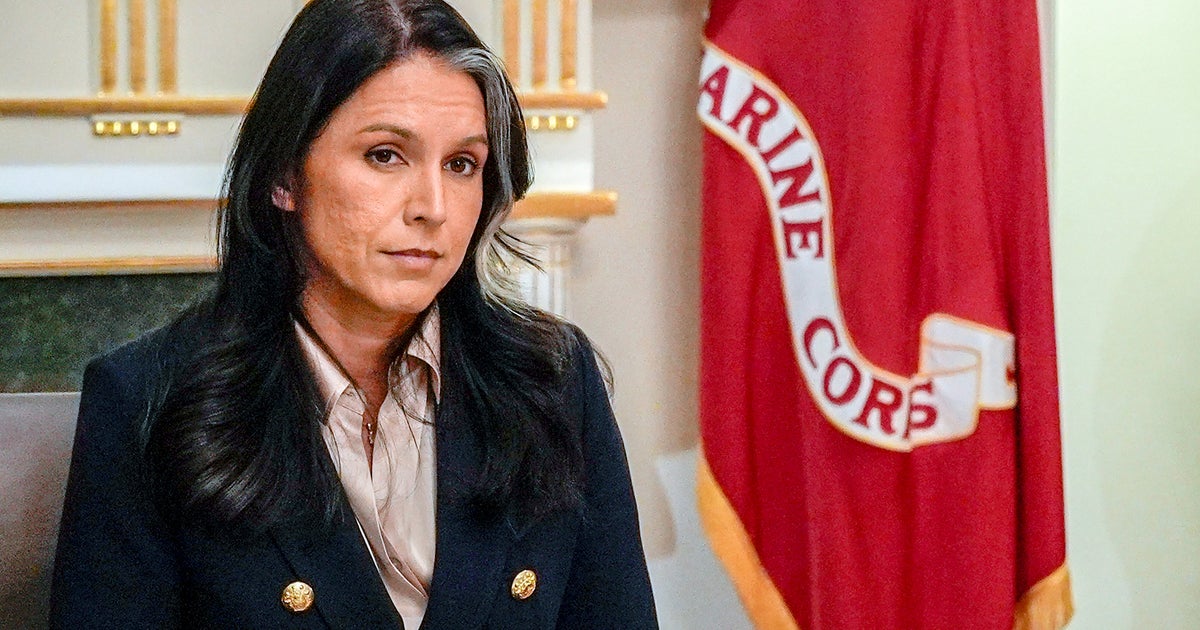
In a revelation that sheds light on the Trump administration’s ongoing concerns about election integrity, it has emerged that a team working under Director of National Intelligence Tulsi Gabbard conducted a previously unreported investigation into Puerto Rico’s voting systems last spring. According to Gabbard’s office and three sources with knowledge of the operation, the probe involved seizing an unspecified number of voting machines and copying data from the island’s electoral infrastructure. While Gabbard’s office maintains the investigation focused solely on cybersecurity vulnerabilities in Puerto Rico’s electronic voting systems, multiple sources familiar with the matter paint a different picture, suggesting the operation was driven by unsubstantiated allegations that the Venezuelan government under Nicolas Maduro had compromised voting machines in the U.S. territory. This discrepancy between the official account and insider reports has raised significant questions about the scope and purpose of intelligence agencies’ involvement in domestic election matters.
The Office of the Director of National Intelligence defended the seizure of voting equipment as “standard practice in forensics analysis” and claimed to have discovered “extremely concerning cyber security and operational deployment practices that pose a significant risk to U.S. elections.” According to ODNI, some of the security vulnerabilities stemmed from the voting machines’ use of outdated cellular technology and software flaws that could potentially provide hackers with deep access to critical electoral systems. Given that similar voting infrastructure exists elsewhere across the United States, the implications of these findings extend far beyond Puerto Rico. However, the investigation did not produce any concrete evidence of Venezuelan interference in Puerto Rican elections, despite what sources say was the original impetus for the probe. The Venezuelan government, for its part, did not respond to requests for comment on the allegations.
Pattern of Election Fraud Allegations
The Puerto Rico operation appears to fit within a broader pattern of Trump administration efforts to pursue allegations of voting fraud that remain unproven, according to sources who spoke on condition of anonymity. This preoccupation with electoral irregularities traces back to President Trump’s 2020 reelection loss to Joe Biden—a defeat Trump has consistently and falsely attributed to widespread fraud despite the absence of credible evidence. That fixation has not diminished in the years since, and sources indicate it continues to drive investigative efforts across various agencies. The investigation in Puerto Rico was coordinated by Gabbard’s office working with the FBI field office in southern Florida, and involved a group of U.S. national security officials, law enforcement agents, and government contractors examining potential threats to election security.
The theory that Venezuela’s Maduro government had successfully hacked U.S. voting systems has found traction among some Trump supporters, despite no public evidence emerging to support such claims. It was this unproven allegation of Venezuelan involvement that reportedly raised questions about possible foreign interference—a matter that would fall under Gabbard’s legal authority to investigate. The sources familiar with the operation challenged the denials from Gabbard’s office regarding Venezuela’s role in the investigation, insisting that the FBI team involved was indeed probing the theory of Venezuelan hacking. Gabbard’s spokesperson maintained that ODNI had the authority to conduct the examination, citing “ODNI’s broad statutory authority to coordinate, integrate, and analyze intelligence related to election security and our known work on understanding vulnerabilities to foreign and other malign interference.”
Concerns About Intelligence Agency Overreach
Gabbard’s direct involvement in election-related investigations became even more apparent last week when she appeared at an FBI raid of an election facility in Fulton County, Georgia. That operation sought records related to the 2020 presidential election in a state where Trump has been particularly vocal about his unfounded fraud claims. The Georgia raid prompted alarm among national security experts who worry that Gabbard and the ODNI have overstepped their authority by becoming involved in what should be purely domestic law enforcement matters. Traditionally, domestic election security issues are handled by law enforcement agencies such as the FBI and the Department of Homeland Security, not by the nation’s intelligence services, which are primarily focused on foreign threats. Current and former U.S. officials have expressed concern that this blurring of lines between intelligence and law enforcement could set a troubling precedent.
While Gabbard was not physically present during the Puerto Rico operation—even though her agency took on a coordinating role—her presence at the Georgia facility raid demonstrated her hands-on approach to these investigations. The distinction between foreign and domestic threats becomes particularly murky in cases like Puerto Rico, where residents are U.S. citizens but the territory occupies a unique constitutional position. Puerto Ricans cannot vote in presidential general elections and lack voting representation in Congress, despite their citizenship status. This ambiguous status may have provided additional justification for intelligence community involvement, though critics argue that the lack of evidence for foreign interference undermines the rationale for ODNI’s participation.
Puerto Rico’s Electoral Challenges
Puerto Rico has indeed experienced well-documented problems with election administration over the years, but local officials and experts attribute these issues to domestic factors rather than foreign interference. Pablo Jose Hernandez Rivera, a Democrat elected in 2024 to represent Puerto Rico in the U.S. House of Representatives in a non-voting capacity, addressed this directly: “We have had widely reported problems in election administration. But they are all attributable to incompetence and corruption, not foreign interference.” This assessment from an official with intimate knowledge of Puerto Rico’s electoral landscape contradicts the narrative of foreign hacking that reportedly motivated the investigation. The U.S. Attorney in Puerto Rico, homeland security investigations agents, and an FBI supervisory special agent reportedly “facilitated the voluntary turnover of electronic voting hardware and software to ODNI for analysis,” according to Gabbard’s office.
The timing of these investigations is notable given recent geopolitical developments involving Venezuela. In January, the U.S. military seized Maduro in Caracas, removing him from power and transporting him to New York to face drug trafficking charges, which he denies. This dramatic action against Venezuela’s government occurred months after the Puerto Rico voting machine investigation, raising questions about whether intelligence gathered during election security probes might have informed or been influenced by broader U.S. policy toward the Maduro regime. The lack of credible evidence supporting allegations of Venezuelan attacks on Puerto Rican elections suggests that either the investigation was based on faulty intelligence or that it served purposes beyond its stated objectives.
Implications for Election Security and Democratic Norms
The revelation of these previously unreported investigations into voting systems raises fundamental questions about the appropriate role of intelligence agencies in domestic affairs and the potential politicization of national security apparatus. While genuine cybersecurity vulnerabilities in voting systems certainly warrant investigation and remediation, the reported focus on unsubstantiated foreign interference allegations—particularly those connected to Trump’s longstanding grievances about the 2020 election—suggests that some of these operations may be driven more by political considerations than legitimate security concerns. The cybersecurity issues identified by ODNI regarding vulnerable cellular technology and software flaws in Puerto Rico’s voting machines are serious matters that deserve attention, but they could have been addressed through normal channels involving election security officials and law enforcement without the involvement of the intelligence community’s highest office.
As these investigations continue to unfold, they highlight the ongoing tension between election security and democratic accountability in the United States. The Trump administration’s persistent focus on alleged voting fraud, despite the absence of supporting evidence, has created an environment where extraordinary measures—such as intelligence agency involvement in domestic election matters and FBI raids on election facilities—have become normalized. Whether these operations ultimately strengthen or undermine public confidence in American elections remains an open question. What is clear, however, is that the blurring of boundaries between intelligence work focused on foreign threats and law enforcement activities addressing domestic issues represents a significant development with potentially far-reaching implications for how the United States safeguards both its electoral processes and its democratic institutions. The challenge moving forward will be ensuring that legitimate security concerns are addressed while preventing the national security apparatus from becoming a tool for partisan political objectives.