


New Evidence Raises Questions About Jeffrey Epstein’s Death Investigation
Mysterious Orange Figure Captured on Surveillance Footage
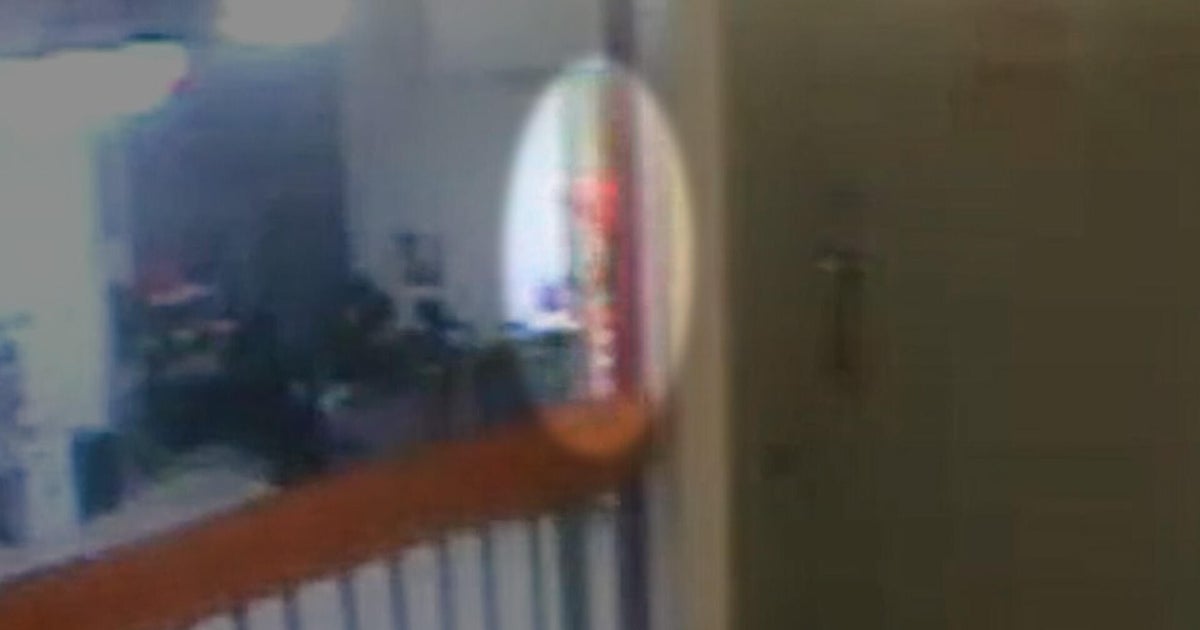
Recently declassified Department of Justice documents have unveiled a perplexing detail from the night Jeffrey Epstein died in his Manhattan jail cell: surveillance footage shows an orange-colored shape moving up the staircase toward the isolated tier where Epstein was housed at approximately 10:39 p.m. on August 9, 2019. This revelation is particularly significant because it contradicts previous official statements about the circumstances surrounding Epstein’s death. The observation log from the Metropolitan Correctional Center notes that investigators reviewing the video observed what appeared to be “a flash of orange” ascending the stairs leading to Epstein’s tier, with the notation suggesting it “could possibly be an inmate escorted up to that Tier.” This detail was never mentioned in official reports about Epstein’s death, and it directly conflicts with statements made by high-ranking officials, including then-Attorney General Bill Barr, who maintained that no one entered Epstein’s housing area the night he died. The discovery of this footage and the conflicting interpretations of what it shows has reignited questions about the thoroughness and transparency of the investigation into the death of one of America’s most notorious accused sex traffickers.
Conflicting Interpretations Between Federal Agencies
What makes this evidence even more troubling is that two separate federal agencies examining the same surveillance footage reached dramatically different conclusions about what they were seeing. The FBI’s observation log describes the fuzzy orange image as “possibly an inmate,” which would have enormous implications for understanding what happened that night. In stark contrast, the Department of Justice’s Office of Inspector General characterized the same image as a corrections officer carrying orange “linen or bedding.” Their final report stated that “at approximately 10:39 p.m., an unidentified corrections officer appeared to walk up the L Tier stairway, and then reappeared within view of the camera at 10:41 p.m.” This discrepancy between two federal investigative bodies examining identical evidence raises serious questions about the competence and coordination of the investigation. Independent video analysts consulted by CBS News reviewed the footage and concluded that the movement patterns were more consistent with an inmate—someone wearing an orange prison uniform—than with a corrections officer. The inability of federal investigators to definitively identify this individual is particularly troubling given that the sighting occurred within the estimated window of Epstein’s possible time of death, which officials have never been able to pinpoint with certainty.
A Night of Irregularities at the Special Housing Unit
The thousands of pages of documents released provide a detailed but deeply concerning picture of the night Epstein died. Records and witness interviews describe what should have been a secure, monitored environment but instead reveal a facility plagued by policy violations and staff negligence. The Special Housing Unit where Epstein was held was supposed to be under constant supervision, yet the two corrections officers assigned that night, Tova Noel and Ghitto Bonhomme, failed to maintain proper vigilance. According to Noel’s account, Bonhomme had been working multiple consecutive shifts and actually fell asleep while on duty sometime between 10 p.m. and midnight—precisely when the mysterious orange figure was captured on camera. Adding to the irregularities, investigators discovered an unexplained change in the recorded number of inmates in the unit, which appeared to drop from 73 to 72 sometime between 10 p.m. and 3 a.m. When questioned about this discrepancy, Noel claimed she was “probably” mistaken but offered no explanation. Multiple inmates interviewed said drug use was common on the tier, with several admitting to using marijuana and K2, a dangerous synthetic substance, inside their cells that very night. The picture that emerges is one of institutional dysfunction and security failures at every level.
Missing Details and Memory Gaps in Officer Testimony
Perhaps most disturbing are the significant gaps and contradictions in the testimony of the corrections officers present that night. Neither Noel nor Bonhomme was specifically asked about the orange-colored figure captured on video—a shocking oversight given its potential importance to the investigation. Bonhomme told investigators he had no memory of the period between 10 p.m. and midnight, conveniently the exact timeframe when the figure was seen, and said he had no recollection of anyone walking up the stairs toward Epstein’s tier. When Michael Thomas, the officer who replaced Bonhomme at midnight and discovered Epstein’s body, was interviewed two years after the death, his account contained troubling inconsistencies. Thomas said he “ripped” Epstein down from a hanging position but couldn’t recall what happened to the noose or whether he removed it. Even more puzzling, the noose that was collected at the scene was later determined not to be the actual ligature used in Epstein’s death, meaning the real implement was either lost, mishandled, or never properly identified. Thomas described finding Epstein shirtless, yet evidence records show a shirt believed to have been cut from Epstein’s body was returned from the hospital in a bag of belongings. When questioned about distributing linen—which the Inspector General’s report suggested the orange figure might have been doing—Noel was adamant: “I never gave out linen. Ever. Because that’s done on the shift prior.” These contradictions and memory lapses make it nearly impossible to construct a coherent timeline of events.
Failures in Mandatory Procedures and Evidence Handling
The breakdown in basic jail procedures the night Epstein died was comprehensive and systematic. Thomas and Noel failed to complete mandatory inmate counts at 3 a.m. and 5 a.m., as well as required 30-minute wellness checks on Epstein, who was supposed to be under suicide watch given a previous attempt weeks earlier. Investigators speculated the officers may have fallen asleep at their posts, though both were later charged with falsifying records to make it appear they had completed their rounds. Federal prosecutors eventually dropped these charges in exchange for cooperation agreements, a decision that has been criticized as allowing key witnesses to escape accountability. The evidence handling was equally problematic. The camera positioned to monitor Epstein’s tier was the only one known to have been recording that night, and it was positioned in such a way that it only partially captured the approach to his cell, making it impossible to definitively determine whether someone could have entered the tier without being clearly visible. New York City’s Office of the Chief Medical Examiner reviewed the surveillance footage just six days after Epstein’s death and concluded it was too blurry to identify any individuals—then, hours later, publicly ruled Epstein’s death a suicide without providing an estimate of how long he had been dead before discovery. Dr. Michael Baden, a respected forensic pathologist retained by Epstein’s brother, said Epstein had likely been dead for several hours before being found, but because the body had been moved, determining the precise time of death became impossible.
Unanswered Questions and the Need for Transparency
The release of these documents, part of a broader Justice Department disclosure totaling more than 3 million pages, has raised more questions than it has answered. The identification of the orange-clad figure could have been crucial to reconstructing what really happened, yet this individual was never definitively identified despite being captured on the only functioning camera. The fact that high-ranking officials, including then-Attorney General Barr and former deputy FBI director Dan Bongino, made categorical statements that no one entered Epstein’s tier that night—statements that appear contradicted by the video evidence—suggests either a fundamental misunderstanding of the evidence or a deliberate misrepresentation of the facts. Prison employees told investigators that escorting an inmate to that tier at that hour would have been highly unusual, yet the possibility was never thoroughly investigated. The mystery of the missing or misidentified noose, the unexplained shirt, the changing inmate count, the sleeping guards, the widespread drug use, and the convenient memory lapses all paint a picture of either extraordinary incompetence or something more sinister. None of the key figures have been willing to provide further clarification—Bonhomme declined to comment, Noel’s attorney said she would make no statements, and attempts to reach Michael Thomas have been unsuccessful. As the public continues to demand answers about how one of the most high-profile prisoners in federal custody died under circumstances that defy official explanations, these newly released documents serve as a reminder that significant questions remain unresolved, and the full truth about Jeffrey Epstein’s death may never be known.