


Mass Exodus from Minnesota U.S. Attorney’s Office Leaves Major Fraud Cases in Limbo
A Devastating Brain Drain in Federal Prosecution
The U.S. Attorney’s Office for the District of Minnesota is experiencing an unprecedented crisis as more than a dozen prosecutors have resigned in recent days, leaving the office barely able to function. Among those who departed are the four lead prosecutors handling one of the nation’s largest COVID-era fraud cases—a $250 million scheme involving the nonprofit organization Feeding Our Future. Former prosecutors Joe Thompson, Harry Jacobs, Daniel Bobier, and Matthew Ebert had dedicated years to building these complex cases, only to walk away and hand off their work to attorneys who joined the office just over a year ago. The office, which once boasted 70 assistant U.S. attorneys during the Biden administration, has been reduced to as few as 17 prosecutors, according to internal sources. This dramatic reduction in staffing has raised serious concerns about the office’s ability to protect Minnesotans and pursue justice in ongoing criminal cases, including high-profile fraud investigations and violent crime prosecutions.
Why Are Prosecutors Abandoning Their Posts?
People close to the departing attorneys have revealed a troubling picture of what’s happening inside the Minnesota federal prosecutor’s office. The reasons for leaving aren’t simple—they involve a complex web of problems that have made continuing their work untenable for many dedicated public servants. Sources point to overwhelming caseload management issues, structural problems within the office, and pressure from the Trump administration that has fundamentally changed how the office operates. Perhaps most significantly, many prosecutors have cited concerns related to Operation Metro Surge, an aggressive immigration enforcement operation in the Twin Cities that has resulted in thousands of arrests, confrontations with protesters, and the tragic deaths of two protesters at the hands of federal agents. Stacey Young, founder of Justice Connection, a Washington, D.C.-based organization of former Justice Department employees, didn’t mince words about what’s happening: “The mass exodus we’re seeing in Minnesota is alarming. We should all pay attention to why some of the state’s top federal prosecutors chose to leave—it had nothing to do with political disagreement; rather, this administration asked them to violate their legal and ethical responsibilities, and they believed the exit was their only option.” Young’s assessment suggests these prosecutors faced an impossible choice between compromising their professional integrity and abandoning cases they’d worked on for years.
The Feeding Our Future Scandal and Its Implications
The case that these departed prosecutors were handling represents one of the most brazen fraud schemes to emerge from the COVID-19 pandemic era. Feeding Our Future was a nonprofit organization that appeared legitimate on the surface but was allegedly running a massive scam that exploited programs designed to feed hungry children. The organization tricked state and federal officials into believing they were serving meals to thousands of needy kids, then pocketed $250 million in taxpayer funds while never actually providing the food. This wasn’t just a Minnesota problem—it became the costliest COVID-era fraud case in the entire nation, with federal prosecutors estimating total taxpayer losses exceeding $1 billion when related schemes are included. So far, the office has successfully convicted 62 people connected to the scandal, demonstrating the complexity and scale of the investigation. The final trial related to the Feeding Our Future scheme is scheduled for April, where seven defendants—Ikram Yusuf Mohamed, Suleman Yusuf Mohamed, Aisha Hassan Hussein, Sahra Sharif Osman, Shakur Abdinur Abdisalam, Fadumo Mohamed Yusuf, and Gandi Yusuf Mohamed—face charges including conspiracy, wire fraud, money laundering, and bribery. The responsibility for prosecuting this critical case has now fallen to Rebecca Kline and Matthew Murphy, two attorneys who joined the office in January 2024 after working in private practice. While both are undoubtedly capable lawyers, they’re being asked to step into shoes left by prosecutors who had developed deep expertise in these cases over years of investigation and litigation.
A Struggling Office Turns to Desperate Measures
Even before Operation Metro Surge began, the Minnesota U.S. Attorney’s Office was already struggling. By the time Daniel Rosen was sworn in as U.S. attorney in October 2025, the number of prosecutors had already dropped to fewer than 40, according to former and current officials. They attribute this decline to retirements and changes implemented by the Trump administration, including cuts related to the Department of Government Efficiency, better known as DOGE. To address the staffing crisis, the Justice Department has tried to patch together a solution by bringing in prosecutors from neighboring districts, including Michigan, as well as attorneys from the Department of Homeland Security and even military lawyers. However, this strategy has exposed just how dire the situation has become. In a shocking courtroom moment this week, a DHS attorney working in Minnesota told a judge, “this job sucks” and actually requested to be held in contempt “so that I can have a full 24 hours of sleep.” She was promptly removed from her Minnesota assignment the following day. This extraordinary outburst reveals the impossible working conditions facing the lawyers trying to fill the gaps left by the mass exodus. When experienced prosecutors leave, they don’t just take their caseload with them—they take institutional knowledge, relationships with law enforcement partners, understanding of local issues, and expertise built over years or even decades of service.
Fraud Beyond Feeding Our Future: A Systemic Crisis
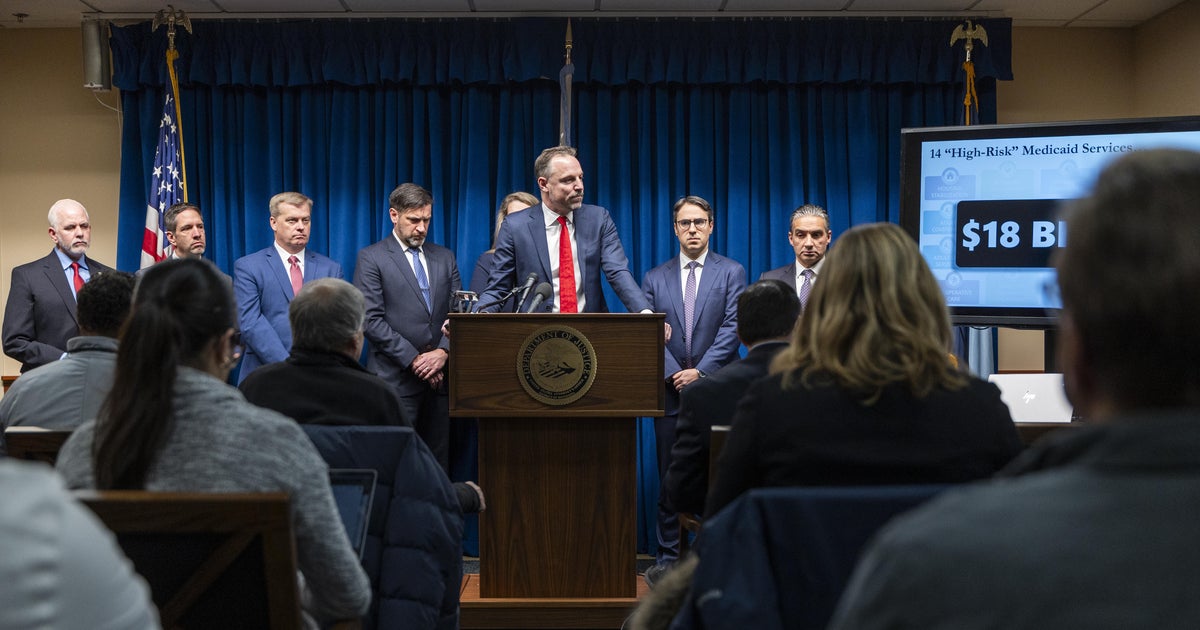
The problems prosecutors were investigating in Minnesota extended far beyond the Feeding Our Future scandal, revealing what appears to be systemic vulnerability to fraud in state-administered programs. In August, state officials were forced to shut down a housing program designed to help seniors and people with disabilities after discovering evidence of large-scale fraud. Just a month later, prosecutors charged eight people with defrauding that program by enrolling as providers and submitting millions of dollars in fake and inflated bills. Before his departure, Joe Thompson, the former first Assistant U.S. Attorney who had become the public face of these fraud investigations, made stunning revelations about the potential scope of the problem. In December, Thompson announced that federal prosecutors were investigating approximately $18 billion spent on social programs in Minnesota since 2018. When asked how much of that spending might be fraudulent, Thompson offered a staggering assessment: they had “seen more red flags than legitimate providers.” He suggested that half of the $18 billion—potentially $9 billion in taxpayer money—could be fraudulent. These aren’t just numbers on a spreadsheet; they represent resources that were supposed to help vulnerable Minnesotans but instead allegedly lined the pockets of criminals who exploited weaknesses in oversight and accountability systems.
The Long-Term Consequences for Justice and Public Safety
The hemorrhaging of talent from the Minnesota U.S. Attorney’s Office will have consequences that extend far beyond the immediate cases being handed off to less experienced prosecutors. Stacey Young’s warning about the “loss of institutional knowledge and expertise” destabilizing the office and leaving “Minnesotans’ safety and rights less protected” should concern everyone, regardless of political affiliation. Federal prosecutors handle more than fraud cases—they pursue violent criminals, drug trafficking organizations, public corruption, civil rights violations, and terrorism cases. When an office loses three-quarters of its prosecutors, every aspect of federal law enforcement suffers. Victims of crimes wait longer for justice. Criminal investigations stall. Defendants who should be held accountable may escape consequences due to prosecutorial mistakes or lack of resources. Perhaps most troublingly, the reasons these prosecutors felt compelled to leave suggest a fundamental conflict between their professional obligations and the directives they were receiving. If experienced federal prosecutors felt their only ethical option was resignation, that raises profound questions about what they were being asked to do and who made those decisions. The Minnesota U.S. Attorney’s Office and the Justice Department’s Detroit office have both declined to comment on the situation, leaving the public in the dark about how they plan to address this crisis. As Minnesota faces ongoing fraud investigations potentially involving billions in taxpayer dollars, the state’s federal law enforcement apparatus has been hollowed out at precisely the moment it’s needed most.