
A Nation Divided: What Americans Want to Hear in the State of the Union Address
The Persistent Sense of Division
When Americans are asked to describe the current state of their nation, one word dominates all others: “divided.” This perception isn’t new or tied to any single administration—it’s become a defining characteristic of how citizens view their country across multiple presidencies. Before Joe Biden delivered his final State of the Union address, most Americans described the nation as divided, and that sentiment has only intensified since then. While other descriptors like “strong” or “prospering” have seen slight increases compared to 2024, they pale in comparison to the overwhelming consensus that America is fundamentally split. Interestingly, this sense of division manifests differently depending on political affiliation. Republicans increasingly describe the country using terms like “improving” and express optimism about the future, while Democrats tend toward more negative descriptors like “declining” and “weak.” This pattern represents a complete reversal from the Biden era, when Republicans used harsher language and Democrats were more positive. The flip demonstrates that Americans’ perception of their nation’s health is deeply colored by whether their preferred party holds power, creating two almost entirely separate realities existing side by side.
Economic Concerns Take Center Stage
Regardless of political party or whether they plan to watch the address, Americans are overwhelmingly clear about what they want to hear discussed: the economy and the cost of living. These kitchen-table issues have dominated public consciousness for years, stretching back to the pandemic, and they remain the top priority for citizens across the political spectrum. Most Americans continue to rate the national economy negatively, though there’s been a modest improvement in recent months, with views climbing off the lows reached last fall. However, there’s a significant credibility gap when it comes to how President Trump discusses economic issues. Most Americans believe he portrays the situation with prices and inflation as better than reality, and notably, about four in ten members of his own party share this skepticism. This perception has persisted for some time and presents a challenge for the president as he addresses the nation. Beyond general economic talk, Americans have made clear in previous polling that prices are the primary lens through which they evaluate economic performance, and many feel the administration hasn’t focused sufficiently on this concern. Trump’s approval ratings on handling the economy and inflation remain net negative, as they have been for several months, underscoring the challenge he faces in convincing Americans that economic conditions are improving under his leadership.
The Tariff Controversy and Congressional Authority
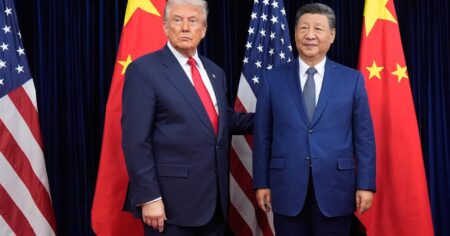
One topic that fewer Americans want to hear about—despite its economic implications—is tariffs. Public opinion on this issue presents an interesting challenge for the administration, as most Americans oppose new tariffs on imported goods, a stance that held firm even after the recent Supreme Court decision on the matter. Previous polling has shown that Americans believe tariffs increase prices, which connects directly to their primary economic concern. Perhaps more significantly, there’s broad bipartisan agreement that the president shouldn’t be making tariff decisions unilaterally. Americans across party lines believe Congress should have at least some role in setting tariff policy, with very few supporting the idea that Trump alone should determine these policies. Even among Republicans who generally favor tariffs, few believe the president should set policy without congressional involvement. This represents a notable instance where public opinion doesn’t align with the president’s approach, even among his own supporters. The issue highlights a tension between executive action and the public’s belief in checks and balances, suggesting that Americans—despite their partisan divisions on many issues—still value the constitutional role of Congress in major policy decisions. This perspective stands in contrast to the more executive-focused approach the administration has taken on trade policy, creating a disconnect between the president’s actions and what Americans say they believe is the proper governmental process.
Foreign Policy and the Iran Question
Military engagement with Iran has emerged as another issue Americans feel deserves attention in the State of the Union address, though public opinion on the matter is complex and divided. A large majority of Americans report that the Trump administration has not clearly explained the U.S. position on possible military action against Iran, creating an information vacuum that the speech could potentially fill. The nation is split on whether the United States should take military action to prevent Iran from developing nuclear weapons, with slightly more people opposed than in favor. Those who feel the administration hasn’t clearly explained its position are predominantly opposed to military action, suggesting that clarity on the issue could shift public opinion in either direction. The partisan divide on this question is stark: most Democrats and independents would disapprove of military action against Iran, while a substantial majority of Republicans would approve. For context, most Republicans—particularly those who identify with the MAGA movement—approved of the U.S. bombing of Iran’s nuclear facilities that occurred last summer, as well as more recent military action in Venezuela. This pattern suggests that Republican support for military action is fairly consistent when it comes from a Republican president, while Democratic and independent voters remain more skeptical of military engagement regardless of the justification presented. The fact that Americans want to hear about Iran tonight, combined with the perception that the administration hasn’t adequately explained its position, creates both an opportunity and a risk for the president as he addresses the nation.
Immigration Enforcement Under Scrutiny
Immigration policy, ICE operations, and deportation programs represent another cluster of issues that Americans want addressed, though public opinion has shifted considerably on these matters over the course of Trump’s term. A majority of Americans now view ICE’s operations when stopping or detaining people as “too tough,” a perception that has held steady for some time and directly influences overall views of the deportation program. Those who consider ICE operations too aggressive overwhelmingly disapprove of the deportation program in general, creating a connection between enforcement tactics and policy support. The trajectory of public opinion on deportations tells an interesting story: approval for the deportation program started out net positive at the beginning of Trump’s term, became more evenly divided last summer, and today shows more Americans disapproving than approving. However, the program remains strongly supported by the president’s Republican base, with overwhelming GOP backing and high approval ratings from Republicans for Trump’s overall handling of immigration. This creates a situation where the president’s core supporters are enthusiastic about policies that increasingly concern the broader public, including independents and Democrats who have turned more negative on both the deportation program and ICE operations. The question becomes whether tonight’s address will double down on immigration enforcement to energize the base or attempt to reassure a skeptical broader public that operations are being conducted appropriately and humanely.
Presidential Approval and Looking Ahead
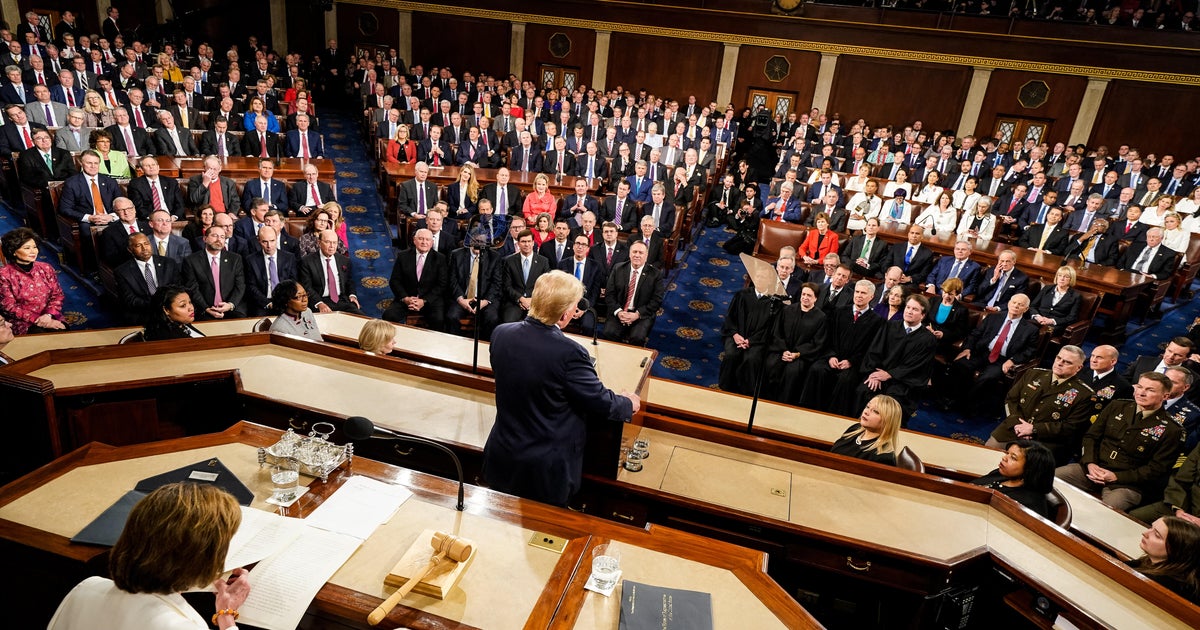
President Trump’s overall job approval rating has remained relatively steady in recent months, hovering around the low 40s, characterized by very strong support from Republicans—nearly nine in ten today—and especially from MAGA supporters. However, this stability masks significant shifts among other groups. Trump’s approval began his term with majority support, then declined during the spring and summer of 2025, with particular drops among independents, younger voters, and Latinos. Today’s 40% approval matches where it stood last fall, suggesting a stabilization at a level that represents strong partisan support but limited appeal beyond the Republican base. Two-thirds of Americans believe Trump’s policies favor Republican states over Democratic ones—a perception shared by over a third of Republicans—which may contribute to the nation’s sense of division. Additionally, most Americans think Trump’s policies have decreased rather than increased peace and stability in the world, presenting a challenge for his foreign policy messaging. As is typical for State of the Union addresses in recent years, the president’s own partisans are more likely to watch, meaning Republicans will likely outnumber Democrats among viewers, creating a relatively friendly immediate audience. Republicans express strong optimism about the next three years, far more so than independents or Democrats, while a majority of Americans overall feel the nation is doing worse compared to a year ago. Most Americans say their minds are already made up about President Trump, though roughly a quarter remain open to the possibility that he might say something to change their opinion, suggesting that while the speech is unlikely to dramatically shift public opinion, it could have some impact at the margins.