

Pope Leo XIV Condemns Trump’s Threat Against Iran in Powerful Appeal for Peace
A Strong Moral Stand Against Military Escalation
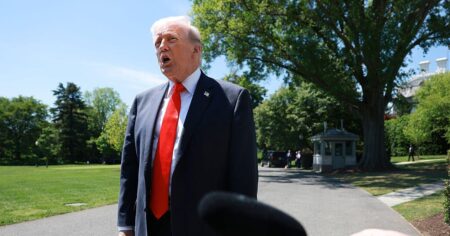
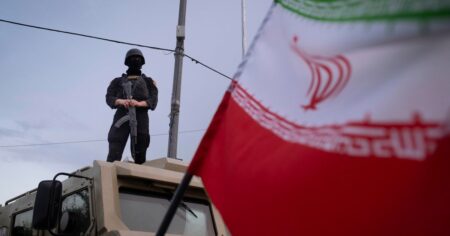
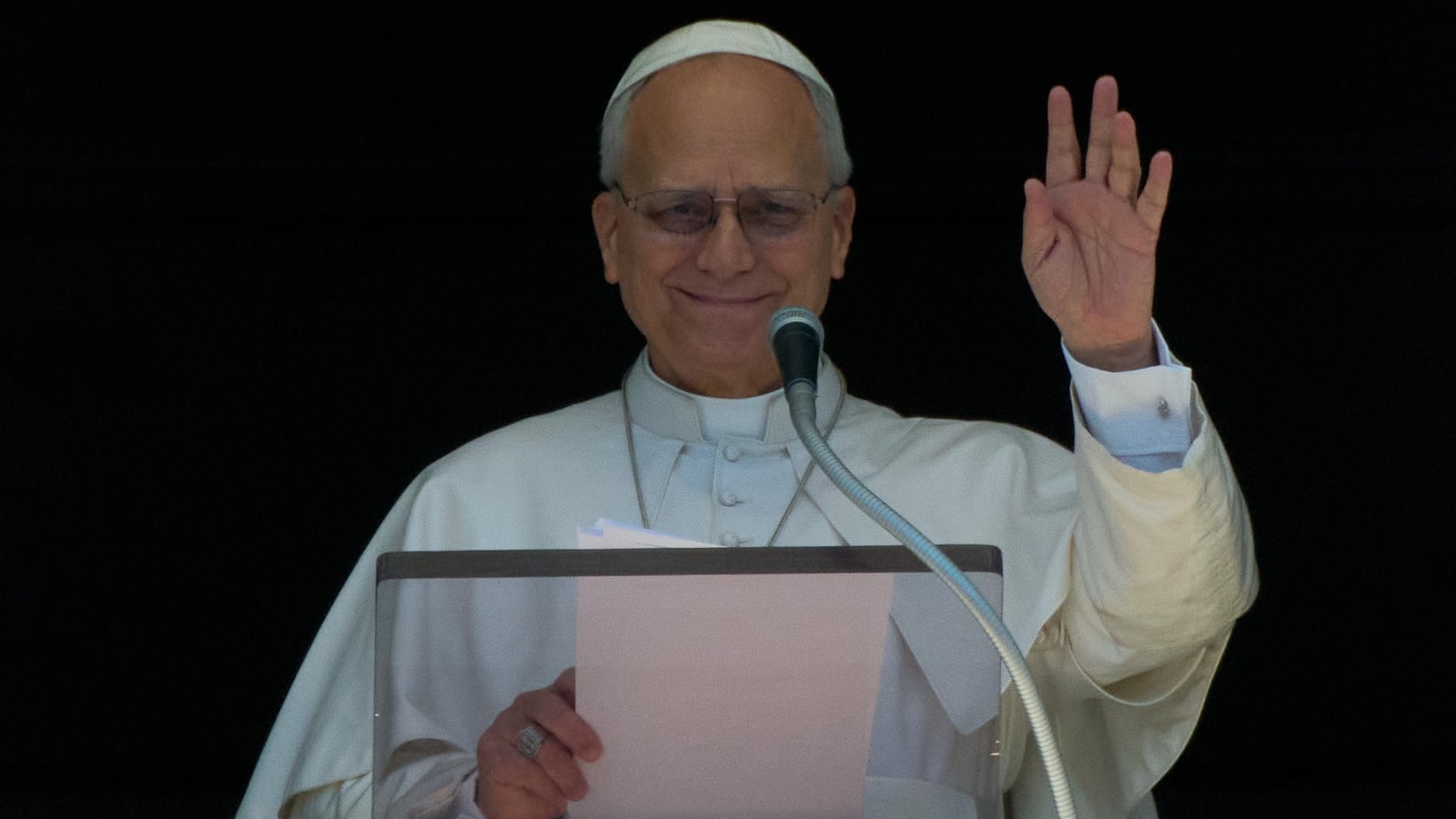
In a remarkable display of moral leadership, Pope Leo XIV issued one of his most forceful statements yet regarding international conflict, specifically addressing U.S. President Donald Trump’s alarming threats against Iran. Speaking from his residence at Castel Gandolfo, the papal retreat located in the picturesque hills south of Rome, the pontiff did not mince words when characterizing Trump’s ultimatum as “truly unacceptable.” The President had issued a chilling deadline to Iran, warning that “a whole civilization will die tonight” unless the nation agreed to terms that included reopening the strategically vital Strait of Hormuz. This stark language from the leader of the free world prompted an equally strong response from the leader of the Catholic Church, who felt compelled to speak out against what he characterized as a dangerous escalation that threatens innocent lives and violates fundamental principles of international law.
The Pope’s intervention comes at a critical moment in rising tensions between the United States and Iran, a conflict that has periodically threatened to engulf the entire Middle East region in warfare. Leo XIV’s comments represent more than just diplomatic concern; they reflect a deep spiritual and humanitarian anxiety about the direction of global politics and the willingness of world leaders to threaten mass destruction as a tool of statecraft. By specifically calling out the threat to destroy an entire civilization, the Pope was highlighting the unprecedented nature of Trump’s rhetoric—language that goes beyond traditional military posturing to threaten the very existence of a people with thousands of years of history and culture. This wasn’t merely a criticism of military policy but a fundamental challenge to the moral framework being employed by one of the world’s most powerful leaders.
Invoking International Law and Moral Authority
Pope Leo XIV grounded his criticism not only in spiritual teachings but also in the concrete framework of international law, specifically noting that attacks on civilian infrastructure constitute violations of established legal norms that govern warfare. This dual approach—combining moral teaching with legal principle—strengthens the Pope’s position and makes it difficult for political leaders to dismiss his concerns as merely religious sentiment divorced from practical reality. International humanitarian law, developed over more than a century and codified in treaties like the Geneva Conventions, explicitly protects civilian populations and prohibits military actions deliberately targeting non-combatants or the infrastructure necessary for civilian life. By invoking these legal standards, Leo XIV was reminding world leaders that there are boundaries to acceptable conduct in conflict, boundaries established not by religious doctrine alone but by the collective wisdom of nations seeking to limit warfare’s most devastating effects.
The Pope’s reference to civilian infrastructure is particularly significant given the nature of modern warfare and the Trump administration’s apparent willingness to target such facilities. Critical infrastructure—including water treatment plants, electrical grids, hospitals, and food distribution systems—forms the backbone of any functioning society. Threatening to destroy these systems amounts to threatening the survival of an entire population, not merely its military capabilities. This approach to warfare, sometimes called “total war,” was largely discredited after World War II, when the international community witnessed the devastating humanitarian consequences of such strategies. By explicitly condemning threats against civilian infrastructure, Pope Leo XIV was calling for a return to more limited and humane approaches to conflict, even as he challenged the very premise that war should be considered an acceptable tool for resolving international disputes.
A Call to Action for Citizens of Conscience
Perhaps most significantly, Pope Leo XIV didn’t limit himself to moral condemnation—he issued a specific call to action for people around the world, particularly Americans. In his remarks, the pontiff urged “all people of good will” to contact their political leaders and congressional representatives, demanding they reject war and work actively for peace. This direct appeal represents an important evolution in papal diplomacy, moving beyond the traditional role of moral commentary to explicit political engagement. Leo was essentially calling for a grassroots movement to restrain the executive power of the U.S. presidency, recognizing that in democratic systems, political leaders ultimately answer to their constituents. By encouraging citizens to make their voices heard, the Pope was acknowledging that moral authority alone may be insufficient to prevent catastrophe—practical political pressure must accompany spiritual appeals.
This call to action reflects a sophisticated understanding of how power operates in democratic societies and how meaningful change often originates from popular pressure rather than elite decision-making. The Pope’s appeal recognizes that while religious leaders can provide moral clarity and articulate ethical principles, the responsibility for implementing those principles in policy ultimately rests with citizens who must hold their governments accountable. In the American context specifically, Leo XIV was highlighting Congress’s constitutional role in matters of war and peace, reminding Americans that their representatives possess both the authority and the responsibility to check executive power when it threatens to lead the nation into unjust conflict. This message carries particular weight given the historical tendency of the U.S. executive branch to expand its war-making powers while congressional oversight has often proven inadequate.
Reflecting on Easter’s Message of Peace
Pope Leo XIV explicitly connected his current appeal to his Easter message, recalling that he had already spoken about the need for peace and the rejection of war during Christianity’s most important celebration. By invoking Easter—the commemoration of Christ’s resurrection and Christianity’s central message of redemption and new life—the Pope was reminding his audience that opposition to war isn’t a political position but a fundamental Christian commitment. Easter represents hope, renewal, and the triumph of life over death, making it a particularly appropriate context for messages about peace and the rejection of violence. The fact that Leo returned to these themes in his remarks about Iran demonstrates that his concern isn’t merely about one particular conflict but about a broader pattern of militarism and the normalization of violence in international relations.
The Pope specifically characterized the potential conflict with Iran as “an unjust war,” employing terminology from the centuries-old just war tradition that has guided Christian thinking about when, if ever, military force can be morally justified. This tradition, developed by theologians like Augustine and Thomas Aquinas, establishes strict criteria that must be met for a war to be considered just, including having a just cause, being a last resort, being declared by legitimate authority, and having a reasonable prospect of success without causing harm disproportionate to the good achieved. By characterizing the threatened action against Iran as unjust, Pope Leo was making a specific theological and ethical judgment that the Trump administration’s approach fails to meet these criteria. Furthermore, he noted that the conflict is “continuing to escalate” and is “not resolving anything,” suggesting that even from a practical standpoint, the current approach is counterproductive and making peace more difficult to achieve.
Warning Against Humanity’s Destructive Capacity
In perhaps his most sobering observation, Pope Leo XIV described the threats against Iran as “a sign of the hatred, the division, the destruction human beings are capable of.” This statement reflects a profound concern about human nature and the ease with which political leaders can contemplate massive violence against populations they’ve been taught to view as enemies or threats. The Pope’s language here suggests a deeper worry than simply opposition to one particular policy decision—he was expressing concern about the moral and spiritual state of humanity itself, our capacity for dehumanizing others, and the disturbing willingness of leaders and populations to support actions that would have been unthinkable in earlier times. This observation carries particular weight coming from the leader of an institution with two thousand years of experience navigating human conflict and witnessing both humanity’s noblest aspirations and its darkest moments.
The contrast the Pope drew between humanity’s destructive capabilities and the universal desire to “work for peace” highlights a fundamental tension in human nature—the gap between our better angels and our worst impulses, between our capacity for compassion and our potential for cruelty. Leo XIV’s appeal can be understood as an attempt to call humanity to its higher self, to remind people that we are capable of choosing peace over violence, dialogue over ultimatums, and cooperation over domination. His message suggests that the path toward war is often taken not because it’s inevitable or because alternatives don’t exist, but because political leaders choose it and populations allow it. By characterizing peace as something we “all want to work for,” the Pope was asserting a fundamental commonality among all people, regardless of nationality, religion, or political allegiance—a shared human interest in survival, flourishing, and the protection of future generations. This universalist message stands in sharp contrast to the nationalist rhetoric and civilizational conflict framing that often characterizes contemporary political discourse, particularly regarding the Middle East. In speaking for peace, Pope Leo XIV was ultimately speaking for our common humanity and the possibility of a different kind of world than the one our political leaders seem intent on creating.