


Security Incident at MacDill Air Force Base: What We Know
Discovery of Suspicious Package Raises Serious Concerns
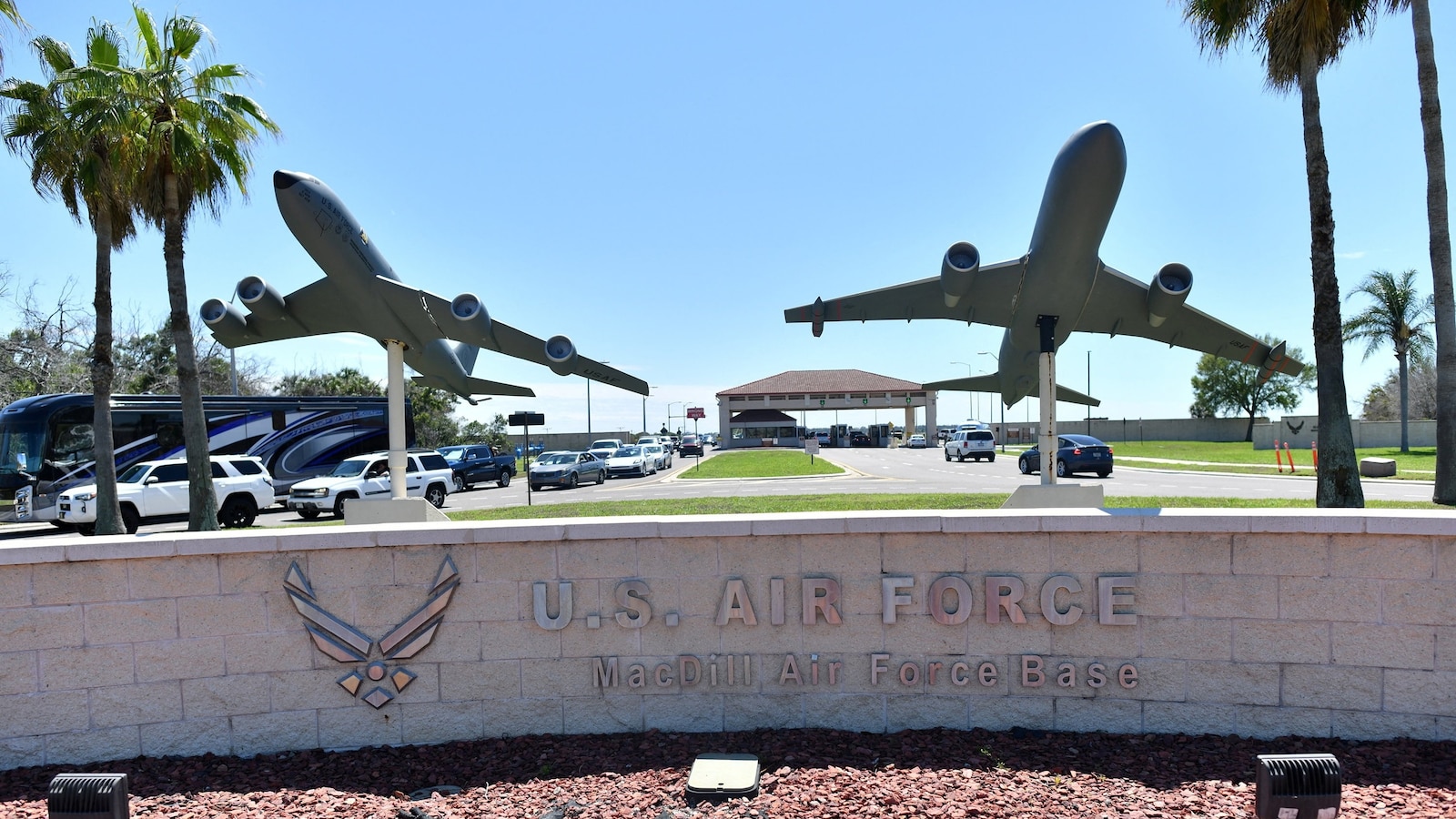
A troubling situation unfolded this week at MacDill Air Force Base in Tampa, Florida, when security personnel discovered a suspicious package outside the base’s visitor center on Monday. According to multiple sources who spoke with ABC News, the package contained what investigators believe to be an improvised explosive device, or IED. While authorities are still working to determine whether the device was actually capable of functioning, the discovery has sent ripples of concern through the military community and prompted heightened security measures at this critical military installation. The FBI has taken charge of analyzing the suspicious package, though they’ve been cautious about releasing specific details regarding exactly what was found inside, keeping information close to the vest as their investigation continues.
FBI Investigation and Initial Findings
The FBI’s Tampa field office has been working diligently to analyze the contents of the suspicious package since its discovery. On Wednesday, they released a statement via their official X account (formerly Twitter) providing a preliminary update on their findings. According to the FBI, field screening conducted at the scene identified what they described as “possible energetic materials” within the package. For those unfamiliar with the term, “energetic materials” is the technical classification used by law enforcement and military personnel to describe substances capable of producing explosions or other violent chemical reactions. However, the FBI emphasized that their final laboratory analysis is still ongoing, meaning they haven’t yet determined the full nature and potential danger of what was discovered. This careful, methodical approach is standard procedure for such incidents, as rushing to conclusions could compromise both the investigation and public safety. The bureau has been understandably tight-lipped about releasing more specific information, likely to avoid interfering with their ongoing investigation or potentially encouraging copycat incidents.
Base Security Escalates to High Alert Status
The seriousness of the situation became even more apparent when military officials made the decision to raise the threat level at MacDill Air Force Base to FPCON Charlie on Tuesday night, more than 24 hours after the initial discovery of the suspicious package. For those unfamiliar with military security protocols, FPCON stands for Force Protection Condition, and it’s the system the Department of Defense uses to communicate the current threat level at military installations. FPCON Charlie is the second-highest level in a five-tier system, indicating that intelligence suggests a serious threat has occurred or is imminent, requiring significantly tightened security measures throughout the installation. When a base goes to FPCON Charlie, it typically means increased identification checks, vehicle inspections, restricted access points, and heightened vigilance by security personnel. The situation escalated further on Wednesday afternoon when base officials issued a shelter-in-place order after receiving what they described as “a threat” against the installation. This order required everyone on base to remain indoors in secure locations until further notice. In their official statement, base officials emphasized that “we take all threats seriously and are taking appropriate measures to prioritize the safety and security of our installation.” The shelter-in-place order was eventually lifted a couple of hours later after security personnel determined it was safe to resume normal operations, though the elevated FPCON status remained in effect.
The Strategic Importance of MacDill Air Force Base
Understanding why this incident is particularly concerning requires knowing just how critical MacDill Air Force Base is to America’s military operations around the world. This isn’t just any military installation – MacDill serves as a crucial command hub for the Pentagon, hosting some of the most important military command centers in the entire Department of Defense. Most notably, the base is home to U.S. Central Command, commonly known as CENTCOM, which is responsible for directing and coordinating all American military operations across the Middle East, a region that remains one of the most strategically important and volatile areas for U.S. military interests. Additionally, MacDill hosts Special Operations Command, which oversees the nation’s elite special forces units, including Navy SEALs, Army Rangers, and other highly trained operatives who conduct the military’s most sensitive and dangerous missions. The concentration of such high-level command functions at a single location makes MacDill an especially attractive target for anyone wishing to disrupt American military operations or make a statement against U.S. military power. The base employs thousands of military personnel, civilian contractors, and support staff, all working on operations that have global implications. The presence of these commands means that on any given day, highly classified planning and operations are taking place within the base’s secured facilities.
Community Impact and Response
The security incident didn’t just affect those working on the base – it had significant ripple effects throughout the surrounding Tampa community as well. Tampa Police Department officers worked alongside U.S. Air Force service members to establish security perimeters and manage traffic disruptions, particularly along South Dale Mabry Highway, a major thoroughfare that runs adjacent to the base. Local residents and businesses in the area experienced delays and detours as authorities worked to ensure public safety while investigating the threat. The visible presence of increased security, including armed personnel and vehicle checkpoints, served as a stark reminder of the ongoing security challenges facing military installations even on American soil. For the families of service members stationed at MacDill, the incident was undoubtedly a source of anxiety, as loved ones were required to shelter in place and communications were likely limited during the most critical hours of the security response. The Tampa community, which has long had a close relationship with MacDill and its personnel, rallied in support of the base and its mission during this uncertain time. Local news outlets provided regular updates to keep residents informed while being careful not to compromise security operations or spread unverified information that might cause unnecessary panic.
Ongoing Concerns and Broader Context
This incident at MacDill comes at a particularly poignant time for the base community, as it occurred just days after three airmen stationed there were among six service members who tragically lost their lives in a military refueling plane crash in Iraq last week. The base was already grieving this terrible loss when the suspicious package was discovered, adding another layer of stress and concern for personnel and their families. The timing raises questions about whether there might be any connection, though authorities have not suggested any link between the two incidents. More broadly, this event highlights the ongoing security challenges faced by military installations in an era where threats can come from many directions – from international terrorist organizations to domestic extremists to lone actors with various grievances. The fact that the device was found at the visitor center, a location where civilians regularly interact with base personnel, underscores the vulnerabilities that exist even with robust security measures in place. As the FBI continues its investigation, many questions remain unanswered: Who placed the device there? What were their motivations? Was this an isolated incident or part of a broader threat? How did security screening fail to detect the package before it was noticed? As these answers eventually emerge, they will likely lead to reviews of security protocols not just at MacDill but at military installations across the country. For now, base personnel remain vigilant, security measures remain elevated, and investigators continue their painstaking work to understand exactly what happened and ensure it doesn’t happen again. The incident serves as a sobering reminder that those who serve in uniform face threats not just on distant battlefields but potentially right here at home, and that protecting these critical installations requires constant vigilance and the coordinated efforts of military and civilian law enforcement agencies.