



Understanding CTE: The Tragic Case of Shane Christie and Its Impact on Rugby
The Devastating Discovery of Advanced Brain Disease
The rugby world was shoken by heartbreaking news from New Zealand when it was revealed that former professional rugby player Shane Christie, who tragically died by suspected suicide in August at just 39 years old, had been suffering from advanced chronic traumatic encephalopathy, commonly known as CTE. This diagnosis was officially announced by Coroner Ian Telford during a preliminary hearing into Christie’s death, bringing to light the serious consequences that repeated head injuries can have on athletes long after they’ve left the field. Christie’s case represents another sobering reminder of the invisible wounds that many contact sport athletes carry with them, wounds that aren’t visible on the surface but can profoundly impact their quality of life and mental health.
CTE is a progressive brain disease that develops over time as a result of repeated blows to the head and multiple concussions. Unlike many other medical conditions that can be diagnosed through imaging or tests while a person is alive, CTE can only be definitively confirmed through post-mortem examination of brain tissue. This devastating disease causes ongoing damage to brain tissue, leading to a range of debilitating symptoms including dramatic mood swings, impulsive and sometimes dangerous behavior, severe depression, memory problems, and cognitive decline. For athletes like Christie who experience numerous concussions throughout their careers, the cumulative effect of these brain injuries can create a ticking time bomb that may not fully manifest until years after retirement. The pathologist Dr. Clinton Turner, who works at the University of Auckland’s specialized brain bank, characterized Christie’s CTE as “high stage,” indicating that the disease had progressed significantly before his death.
A Legacy of Awareness and Advocacy
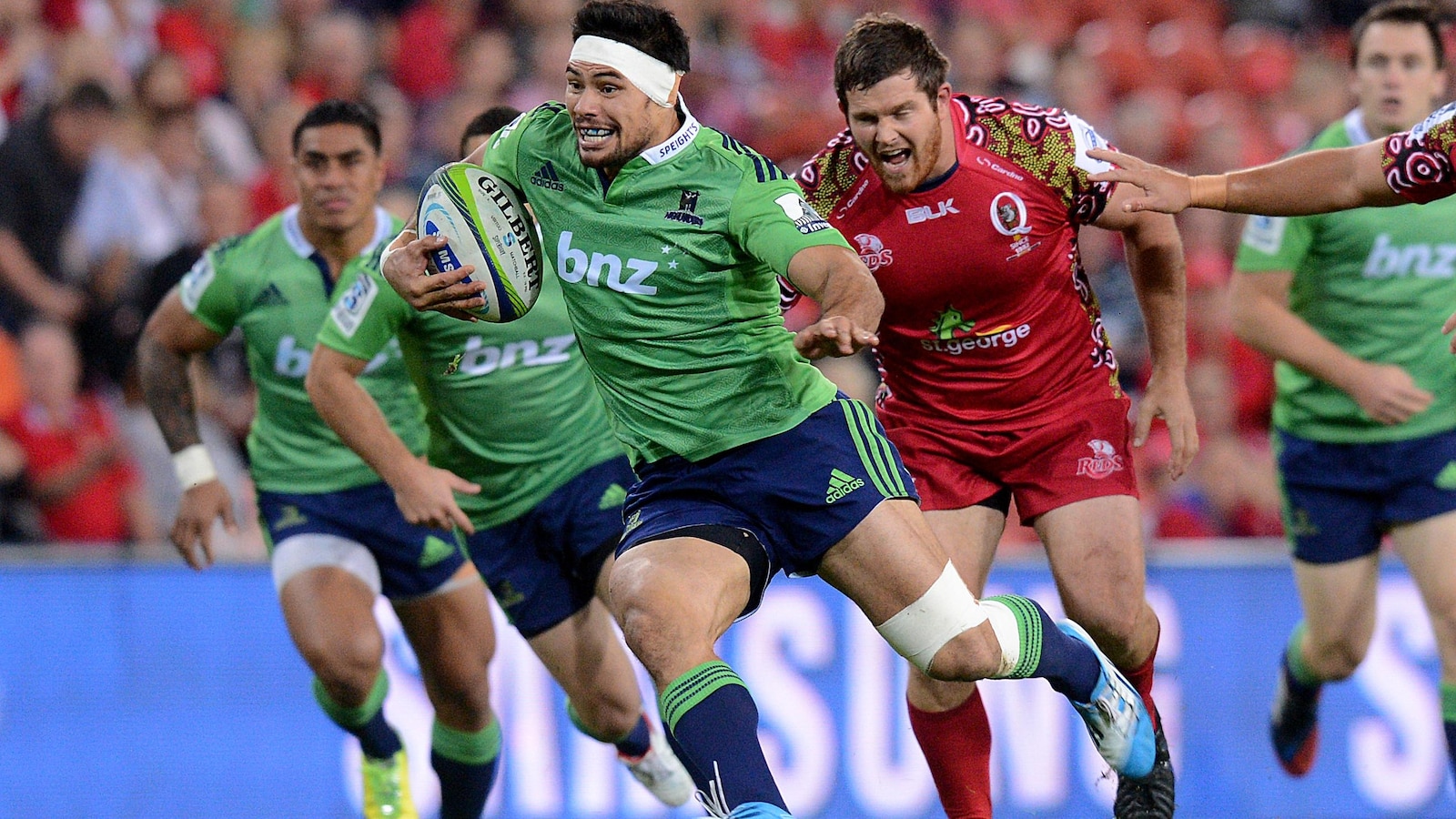
Shane Christie wasn’t just a talented rugby player who represented New Zealand Maori and played Super Rugby for prestigious teams like the Crusaders and Highlanders; he was also a passionate advocate for greater awareness and understanding of CTE among current and former athletes. His advocacy work began following the suspected suicide death of his close friend and fellow professional rugby player Billy Guyton, who also suffered from the condition. Christie himself believed he was experiencing symptoms of CTE before his death, and rather than suffering in silence, he chose to speak out about the condition and its devastating effects. His friends and family have made it clear that Christie wanted his diagnosis to be made public after his death, hoping that his story would help raise awareness and potentially save other players from suffering similar fates.
By donating his brain to the University of Auckland’s brain bank for research, Christie made an invaluable contribution to the scientific understanding of CTE and its prevalence among rugby players. This selfless decision has provided researchers with crucial data that can help identify risk factors, improve diagnostic capabilities for the future, and develop better protective measures for current athletes. Christie’s advocacy continued even after his retirement from professional rugby in 2018, when he stepped away from the sport specifically because of the cumulative effects of repeated concussions. He understood firsthand how the culture of “playing through the pain” in contact sports could have devastating long-term consequences, and he wanted to ensure that future generations of athletes would be better protected and informed about the risks they face every time they step onto the field.
The Broader Impact Across Multiple Sports
While Christie’s case has brought renewed attention to CTE within the rugby community, this brain disease is not limited to just one sport. The condition has been documented across various contact sports, with particularly extensive research and high-profile cases emerging from the National Football League in the United States. Numerous former NFL players have been posthumously diagnosed with CTE, leading to major lawsuits, policy changes, and increased awareness about concussion protocols. The disease has also been linked to deaths and serious health problems in other sports including hockey, soccer, boxing, and mixed martial arts—essentially any sport where athletes regularly experience head impacts or collisions.
The connection between repeated head trauma and CTE has sparked important conversations about athlete safety across all levels of competition, from youth leagues to professional organizations. Many sports organizations have implemented stricter concussion protocols, return-to-play guidelines, and rules designed to reduce dangerous head-to-head contact. However, critics argue that these measures, while helpful, may not go far enough to protect athletes from the cumulative effects of subconcussive impacts—the smaller hits that don’t cause obvious concussion symptoms but may still contribute to long-term brain damage. Christie’s high-stage CTE diagnosis at the relatively young age of 39 underscores how quickly this disease can progress in athletes who experience frequent head impacts throughout their careers. His case serves as a powerful reminder that the true cost of contact sports may not be fully understood until decades after athletes have retired.
New Zealand Rugby’s Response and Commitment
Following the announcement of Christie’s CTE diagnosis, Steve Lancaster, the chief executive of New Zealand Rugby, issued a statement acknowledging the organization’s recognition of the connection between repeated head impacts and CTE. Lancaster emphasized that New Zealand Rugby takes this issue seriously and respects the coronial process that will determine the full circumstances surrounding Christie’s death. The organization expressed its acknowledgment of the pathology results confirmed by The Neurological Foundation Human Brain Bank and stated that it shares concerns about the potential long-term effects of repeated head knocks in rugby. New Zealand Rugby also expressed support for ongoing research into CTE and its relationship to contact sports.
This response reflects a growing awareness within rugby organizations worldwide that player safety must be prioritized, not just during active playing years but with consideration for long-term health outcomes. The challenge facing rugby administrators is how to preserve the physical nature of the sport that fans and players love while implementing meaningful protections that can reduce the risk of catastrophic brain injuries. This might include further rule changes, improved protective equipment, better education for players and coaches about recognizing concussion symptoms, stricter enforcement of return-to-play protocols, and potentially even limits on the number of full-contact practices or the age at which children can begin playing contact versions of the game. The rugby community’s response to Christie’s death and diagnosis will likely influence policies not just in New Zealand but in rugby-playing nations around the world.
The Coronial Process and Future Implications
Coroner Ian Telford made it clear that while the CTE diagnosis represents Dr. Turner’s expert pathological opinion, the official cause of Shane Christie’s death will be determined through the formal coronial inquiry process. This distinction is important because it recognizes that while CTE likely played a significant role in Christie’s mental health struggles and ultimate death, the full picture of what led to this tragedy needs to be carefully examined. The coronial process will consider all relevant factors, including Christie’s medical history, mental health treatment, family circumstances, and the specific symptoms he experienced in the time leading up to his death.
The outcome of this inquiry could have far-reaching implications for how sports organizations, medical professionals, and insurance companies approach CTE and athlete welfare in the future. If the coroner determines that CTE was a contributing factor to Christie’s death, it could strengthen legal and moral arguments for enhanced player protections and potentially open the door for compensation claims from other athletes suffering similar conditions. More importantly, Christie’s case—along with that of Billy Guyton and countless other athletes from various sports—is building an undeniable body of evidence that contact sports carry serious long-term health risks that must be addressed. The ultimate goal is not to eliminate these sports that bring joy and community to millions of people worldwide, but to make them safer so that athletes can compete without sacrificing their long-term cognitive health and quality of life. Shane Christie’s tragic death and his courageous advocacy work have ensured that his legacy will be measured not just by his achievements on the rugby field, but by the lives he may save through increased awareness and improved safety measures for future generations of athletes.