
Trump Administration Agrees to Restore Pride Flag at Historic Stonewall National Monument
A Hard-Won Victory for LGBTQ+ Rights and Historical Recognition
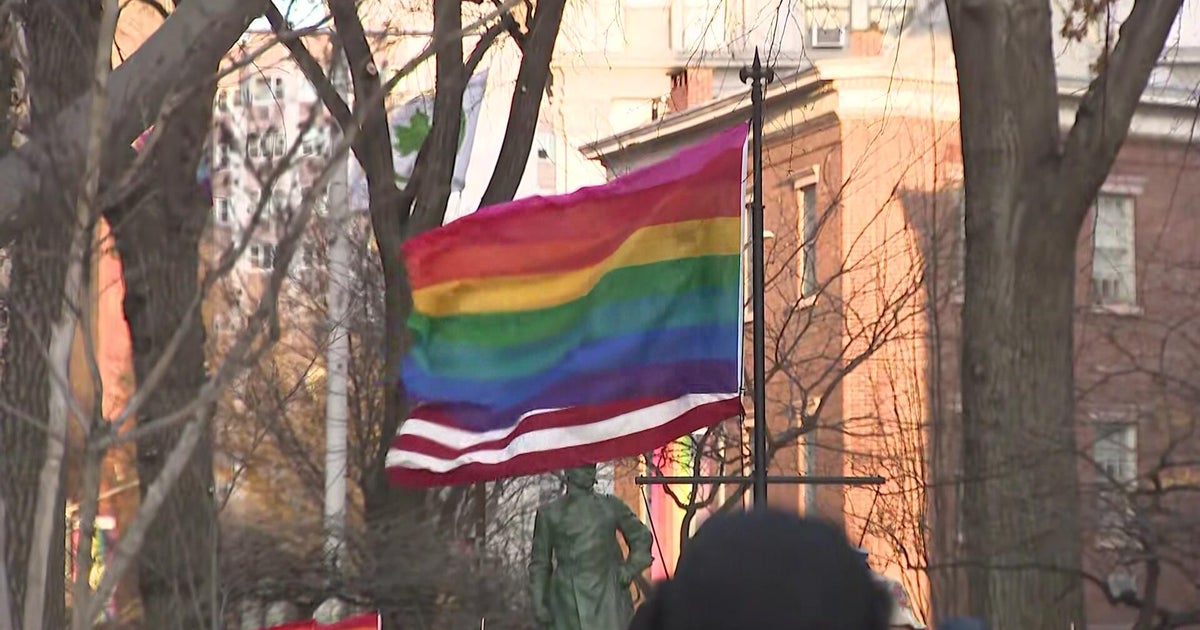
After weeks of controversy and legal battle, the Trump administration has backed down from its decision to remove the Pride flag from New York’s Stonewall National Monument in Greenwich Village. What started as a quiet removal in February turned into a national conversation about equality, historical preservation, and the right of marginalized communities to see their stories honored in public spaces. The flag’s removal had sparked immediate outrage from local officials, community advocates, and LGBTQ+ activists who saw it as an attempt to erase an essential part of American history. Now, following a lawsuit brought by several nonprofit organizations against Department of Interior Secretary Doug Burgum and the National Park Service, an agreement has been reached that not only restores the flag but protects it from future politically motivated removals. Within seven days of the Monday announcement, the Pride flag will once again fly officially over the site where the modern LGBTQ+ rights movement was born, and this time, it’s protected from being taken down based on the political preferences of whoever holds power in Washington.
The Legal Battle That Changed Everything
The lawsuit that led to this settlement centered on a fundamental question: Can the federal government selectively erase the symbols of communities whose histories are enshrined in national monuments? When the National Park Service removed the flag in February, they cited guidance from the Department of Interior stating that non-agency flags couldn’t be officially displayed on flagpoles managed by the Park Service. But advocates argued this reasoning was a smokescreen for discrimination, pointing out that the flag itself is integral to the history the monument commemorates. Attorney Alexander Kristofcak, who worked on the case, explained the core argument simply: “The whole reason why the flag belongs at Stonewall is because it is such a big part of the history of the LGBTQ community and the struggle for equality. Stonewall itself is obviously such a part of that history and all along what we asserted was that the flag itself was a representation of that history.” The court agreement that emerged from this lawsuit does more than just put the flag back up—it establishes that the flag cannot be removed except for normal maintenance purposes, creating a legal protection that transcends any single administration’s views on LGBTQ+ rights. This precedent could have ripple effects across the country wherever the Trump administration has sought to minimize or remove recognition of diverse communities’ contributions to American history.
Public Outrage and Defiant Response
The reaction to the flag’s removal was swift and fierce. New York City Mayor Zohran Mamdani called it “an act of erasure,” while Governor Kathy Hochul described it as “a shameful attempt to erase our LGBTQ history.” The language used by these officials reflected a deep understanding that this wasn’t just about a piece of cloth—it was about whether LGBTQ+ Americans would be allowed to see themselves reflected in their nation’s story. Within days of the federal removal, elected officials and everyday New Yorkers took matters into their own hands, defiantly re-raising the Pride flag at the monument. Though this grassroots action wasn’t sanctioned by the federal government, it sent a powerful message that the community wouldn’t accept this erasure quietly. Senate Minority Leader Chuck Schumer pushed for legislation to permanently protect the flag and called the removal effort “a deeply outrageous action.” After Monday’s settlement was announced, Schumer celebrated the victory, saying the Trump administration was “forced to settle and heed our demands.” Manhattan Borough President Brad Hoylman-Sigal similarly expressed his relief that “the Trump administration has blinked and backed down from its contemptuous attempt to erase American history.”
What Stonewall Means to the LGBTQ+ Community
To understand why this flag means so much, you need to understand what Stonewall represents. The Stonewall National Monument was designated in 2016 as the first national monument in the United States dedicated to LGBTQ+ rights and history. It commemorates the site of the Stonewall Inn, where in 1969, police raids sparked several nights of protests and violent clashes that are widely considered the catalyst for the modern LGBTQ+ rights movement. Before Stonewall, LGBTQ+ people lived largely in the shadows, facing routine harassment, arrests, and violence. The uprising that began at that small bar in Greenwich Village changed everything, inspiring a generation of activists to fight openly for their rights and dignity. For many LGBTQ+ people, Stonewall is sacred ground—a reminder that their community has always fought back against oppression and that progress, while hard-won, is possible. Elisa Crespo of the Stonewall Community Foundation captured this sentiment perfectly: “LGBTQ people are part of the fabric of society and the history of America. Our contributions cannot be erased simply because the administration wants to exercise their own bias.” Hoylman-Sigal shared his personal connection: “When I first moved to New York City over 30 years ago, this was literally the first place I visited. People come from all over the state, all over world, to Stonewall.” For Elizabeth Inoza, who has been out for almost 20 years, the monument represents community and validation: “This is where we knew that I was not alone … this is our space. This is our history, and we should not allow our history to be denied or erased.”
Broader Implications for Historical Preservation
The settlement in the Stonewall case could have far-reaching consequences beyond LGBTQ+ rights. Advocates point out that this legal victory might provide a template for challenging other instances where the Trump administration has sought to diminish recognition of America’s full, complex history. For example, the administration removed an exhibit about George Washington’s ownership of enslaved people from Independence National Historical Park in Philadelphia—another move that critics saw as an attempt to sanitize history and avoid uncomfortable truths about America’s past. The principle established in the Stonewall settlement—that symbols and representations integral to a site’s historical significance cannot be removed based on political ideology—could potentially be applied to protect other historical interpretations that some in power might find inconvenient. This case reinforces the idea that national monuments and parks should serve the truth of history, not the political preferences of any particular moment. As Lachlan Cartwright, a visitor to the monument, put it: “This flag is such a symbol of hope, of freedom, of gay rights, and the decision to take it down was appalling. I’m glad, you know, common sense has prevailed, because Stonewall is such an iconic destination.” The settlement represents a victory not just for the LGBTQ+ community, but for everyone who believes that America’s national monuments should tell our stories honestly, inclusively, and completely.
Looking Forward: Protection and Permanence
The agreement reached ensures that the Pride flag will fly in perpetuity at the Stonewall National Monument, protected from future attempts at removal except for routine maintenance. This permanence matters enormously because it means that regardless of who occupies the White House or controls Congress, this symbol of LGBTQ+ history and pride will remain. The controversy over the flag’s removal was made more painful by other actions the Trump administration took regarding the monument. In February 2025, following an executive order signed on President Trump’s first day in office that defined sex as only male or female, references to transgender and queer people were removed from the monument. The letters T and Q were stripped from the LGBTQ acronym on the monument’s website, replaced with references to the “LGB rights movement” and “LGB civil rights”—an erasure within an erasure that particularly hurt transgender and queer members of the community. While Monday’s settlement specifically addresses the flag, the broader fight over how America remembers and honors LGBTQ+ history continues. Still, this victory provides hope and a roadmap for future battles. It demonstrates that communities can successfully push back against attempts to erase their histories, that the courts can be allies in protecting historical truth, and that symbols matter—sometimes enough that people will fight for them in court and win. As visitors return to the Stonewall National Monument and see the Pride flag flying once again, they’ll know it’s there not by the grace of any politician’s tolerance, but because it belongs there as an inextricable part of the story that site tells about who we are as Americans.