



Royal Family Addresses Epstein Scandal as Prince Andrew Faces Mounting Pressure
Prince William and Kate Break Their Silence on Victims
In an unprecedented move that signals the British royal family’s urgency to contain a growing crisis, Prince William and Princess Catherine have publicly expressed their concern for the victims of convicted sex offender Jeffrey Epstein. The statement, delivered through a Kensington Palace spokesperson while William was traveling to Saudi Arabia for official duties, represents the first time the couple—widely regarded as the monarchy’s most popular members—have directly addressed the scandal that has engulfed the institution since late January. Following the U.S. Justice Department’s release of more than three million pages of documents detailing how Epstein exploited a network of wealthy and influential individuals to facilitate the abuse of women and girls, the Prince and Princess of Wales wanted to make their position clear. “I can confirm that the Prince and Princess of Wales have been deeply concerned by the continued revelations,” their spokesman stated, adding that “their thoughts remain focused on the victims.” This carefully worded statement reflects the delicate balance the younger generation of royals must strike—acknowledging the gravity of the situation while maintaining the discretion expected of their positions. The timing of the statement also suggests a strategic effort to reassure the public that the future of the monarchy is in hands that understand the seriousness of these allegations and the importance of supporting survivors of abuse.
The Growing Crisis Surrounding the Former Prince Andrew
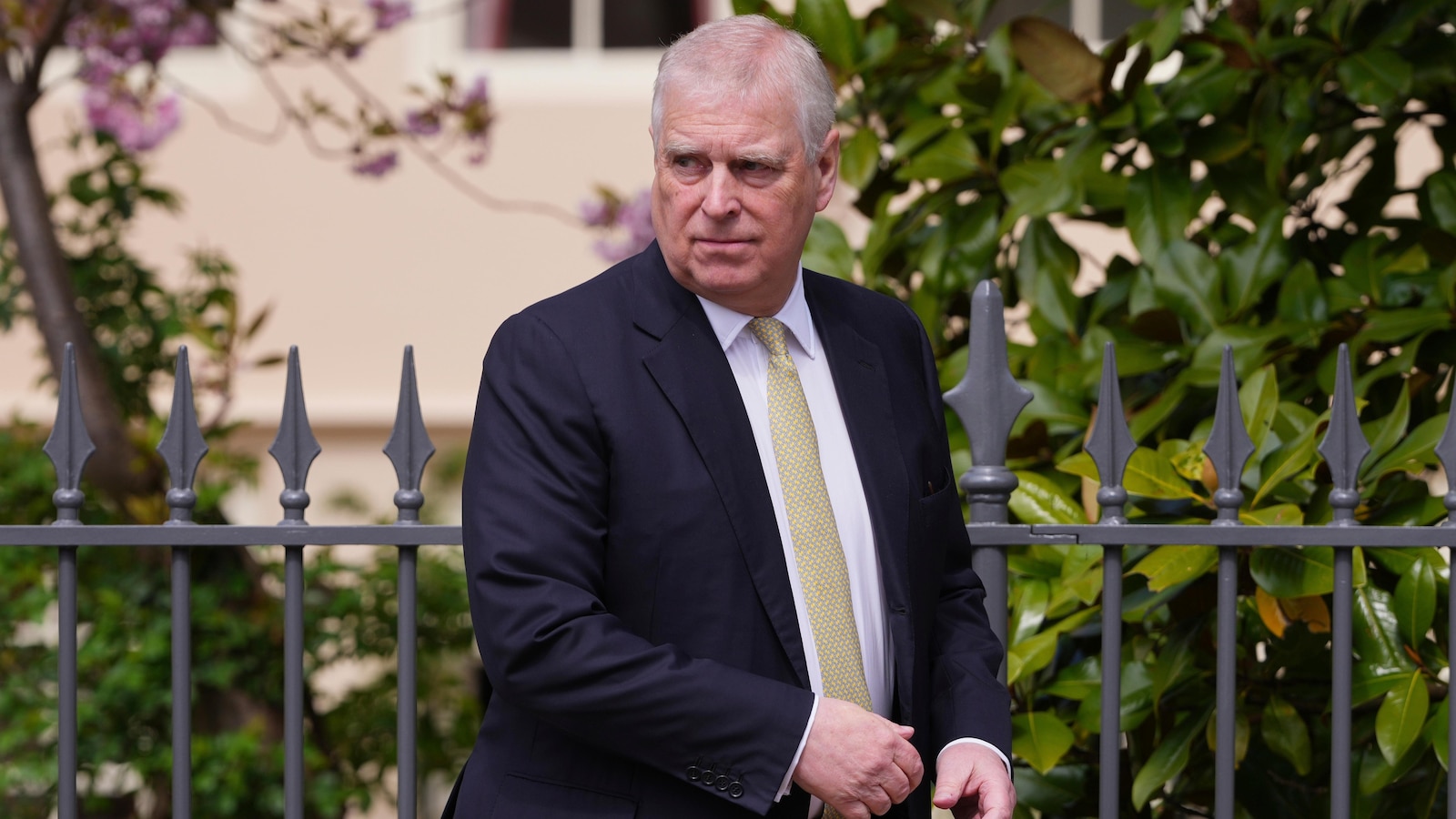
The controversy centers on Andrew, Duke of York, formerly known as Prince Andrew, whose relationship with Jeffrey Epstein has become increasingly difficult for the royal family to manage. The recently released emails from the Justice Department have revealed an extensive correspondence between Andrew and Epstein that continued even after the disgraced financier had served time in jail for soliciting prostitution from a minor. These communications paint a troubling picture of a relationship that went far beyond casual acquaintance, suggesting a level of closeness that has raised serious questions about Andrew’s judgment and awareness of Epstein’s criminal activities. The documents appear to show that Andrew shared detailed information about his official duties with Epstein, including reports from a 2010 tour of Southeast Asia where he served as Britain’s envoy for international trade. The itinerary for this two-week diplomatic mission, which included stops in Hanoi, Saigon, Singapore, Kuala Lumpur, and Hong Kong, was apparently shared with Epstein, raising uncomfortable questions about why someone in Andrew’s position would provide such information to a convicted sex offender. The revelations have created an untenable situation for the monarchy, which prides itself on public service and moral authority, finding itself instead associated with one of the most notorious sexual predators in recent history.
Public Anger and Royal Accountability
The depth of public concern about the royal family’s connection to the Epstein scandal was dramatically illustrated during King Charles’s visit to Lancashire in northwest England. While most onlookers responded with the traditional displays of respect—clapping, cheering, and waving flags—at least one person shouted a question that cut to the heart of the matter: “How long have you known about Andrew?” This moment, reported by the BBC, encapsulates the challenge facing the monarchy as it attempts to navigate this crisis. The question reflects a broader public skepticism about whether the royal family took the allegations seriously enough when they first emerged, or whether they attempted to protect Andrew from scrutiny due to his royal status. The incident demonstrates that despite the pomp and ceremony that typically surrounds royal visits, members of the public are increasingly willing to demand accountability from their monarch and his family. This represents a significant shift in the relationship between the British people and their royal family, suggesting that deference to royalty has its limits when serious allegations of association with criminal behavior are involved. The monarchy, an institution built on tradition and public consent, must now prove that it can respond appropriately to modern expectations of justice and transparency.
Swift Action: Andrew Stripped of Titles and Privileges
In response to the escalating crisis, King Charles has taken decisive action against his younger brother, demonstrating that family ties cannot shield Andrew from consequences. In October, following earlier revelations about his relationship with Epstein, the 65-year-old prince was stripped of his royal titles and is now known simply as Andrew Mountbatten-Windsor—a dramatic fall from grace for someone who was born second in line to the throne. More recently, the King accelerated Andrew’s removal from Royal Lodge, his longtime residence near Windsor Castle, forcing him to relocate much sooner than the timeline originally announced in October. This move addresses growing public anger over Andrew continuing to enjoy the perks of royal status despite no longer being a working member of the royal family. The optics of Andrew living in a grand property owned by the Crown and managed for the benefit of taxpayers had become increasingly problematic as new revelations continued to emerge. Andrew has now been relocated to the King’s Sandringham estate in eastern England, where he will temporarily reside at Wood Farm Cottage while his permanent accommodation on the estate undergoes repairs. Significantly, unlike Royal Lodge, Sandringham is privately owned by the King rather than being Crown property, meaning Andrew’s residence there doesn’t carry the same implication of taxpayer support for his lifestyle.
The Royal Family’s Careful Response Strategy
Throughout this crisis, King Charles and Queen Camilla have maintained a carefully calibrated public stance, choosing not to comment directly on the newly released Epstein files while ensuring their position is known through previous statements. Buckingham Palace has directed media inquiries to a statement the couple released last October as the scandal began to intensify: “Their Majesties wish to make clear that their thoughts and utmost sympathies have been, and will remain with, the victims and survivors of any and all forms of abuse.” This statement takes on added significance given Queen Camilla’s long-standing advocacy work against violence toward women, a cause she has championed for years. The consistency of the royal family’s messaging—from the King and Queen’s earlier statement to William and Catherine’s recent expression of concern—suggests a coordinated effort to emphasize sympathy for victims while maintaining appropriate distance from the specific allegations involving Andrew. For his part, Andrew Mountbatten-Windsor has repeatedly denied any wrongdoing in his relationship with Epstein, though these denials have done little to restore his reputation or position within the royal family. The monarchy finds itself in the difficult position of balancing familial loyalty with institutional survival, and the actions taken suggest that when forced to choose, the institution takes precedence.
The Future of the Monarchy in a New Era of Accountability
The Epstein scandal and its connections to Prince Andrew represent more than just a crisis for one member of the royal family—they pose fundamental questions about the monarchy’s relevance and accountability in contemporary Britain. The institution that has survived for more than a thousand years now faces a public that expects transparency, swift action against wrongdoing, and genuine concern for victims of abuse rather than protection of privilege. The involvement of Prince William and Princess Catherine in addressing the scandal signals the monarchy’s recognition that its future depends on the credibility of the younger generation, who are seen as more in touch with modern values and expectations. Their statement about victims being their primary concern reflects an understanding that the monarchy’s social license to operate depends on being seen to uphold, rather than undermine, justice and human dignity. As the full extent of Andrew’s relationship with Epstein continues to emerge through document releases, the royal family will likely face ongoing pressure to demonstrate that no one is above accountability, regardless of their birth or former status. The speed with which King Charles has acted to distance Andrew from royal privileges suggests he understands what’s at stake—not just his brother’s reputation, but the very survival of the monarchy as a respected institution in British life. How the royal family navigates this crisis in the coming months may well determine whether the institution successfully transitions to a new era or finds itself increasingly questioned by a public that demands its leaders, even hereditary ones, meet the standards of integrity expected in a modern democratic society.