

Voices from Iran: Hope and Fear Amid Ongoing Conflict
A Nation Caught Between War and the Dream of Change
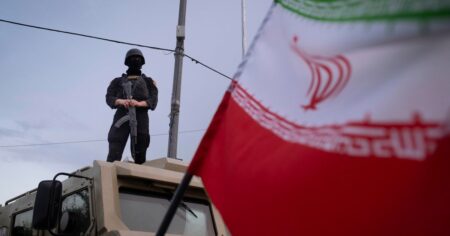
As smoke continues to billow from airstrike targets across Iran, a complex tapestry of emotions unfolds among its citizens. For many Iranians, the current military campaign represents something unprecedented—not just another conflict, but perhaps a catalyst for the fundamental change they’ve desperately sought for decades. Amir, a seasoned Iranian journalist whose identity must remain protected due to the grave security risks he faces, characterizes the experience of living through multiple wars in less than a year as nothing short of “terrifying.” Having survived and reported on last June’s devastating 12-day war between Iran and Israel—a conflict that claimed over 1,200 lives according to Iranian state media—he now finds himself witnessing yet another chapter in his country’s turbulent history. The ceasefire that emerged after U.S. forces targeted Iran’s nuclear facilities provided only a temporary respite, lasting barely eight months before hostilities erupted once more at the end of last month. Between these external conflicts, Amir witnessed what he describes as an internal war when the Iranian regime turned its violence against its own people in January, conducting what human rights organizations documented as systematic massacres across multiple cities. The communication blackout imposed during these events couldn’t completely silence the reports that at least 6,800 protesters were killed by Islamic Republic security forces, according to the Human Rights Activists News Agency, a U.S.-based organization that maintains a network of activists inside Iran. Now, as U.S. and Israeli forces conduct military operations against multiple targets throughout Iran—operations that began on February 28 following the collapse of months of indirect negotiations over Iran’s nuclear program—the Iranian people find themselves once again caught in the crossfire of geopolitical conflict.
The Death of a Supreme Leader: Mourning and Celebration Divide a Nation
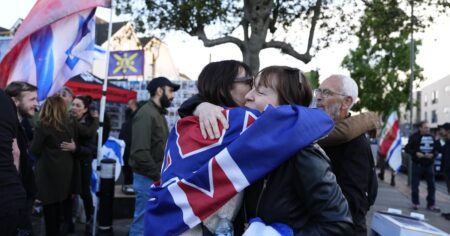
The current conflict has taken on a distinctive character for Amir and countless other Iranians, particularly following the confirmed death of Ayatollah Ali Khamenei, the supreme leader who ruled Iran with an iron fist for decades. The announcement of Khamenei’s death on March 1 revealed the deep fractures running through Iranian society, exposing two radically different Irans existing simultaneously within the same borders. While state television broadcast images of massive crowds of Khamenei supporters flooding the streets in grief, mourning their fallen leader and pledging loyalty to his successor, another Iran emerged from the shadows—one that had been suppressed for years but could no longer contain its joy. In neighborhoods across the country and in Iranian diaspora communities worldwide, people took to the streets in celebration, dancing, singing, and setting off fireworks to mark what they saw as the potential beginning of a new era. The contrast could not have been starker: while Iranian state media worked overtime to project images of national unity and grief, broadcasting endless footage of regime supporters commemorating the slain leader, the voices of those celebrating Khamenei’s death were systematically silenced. Yet ABC News received numerous text and voice messages from people on the ground in Iran, individuals who risked everything to share their true feelings—that they wanted the war to continue until the Iranian regime finally collapsed. These brave souls insisted on anonymity, acutely aware that speaking out could result in detention, torture, or worse. Their willingness to communicate despite these dangers speaks volumes about the depth of their desire for change and their belief that this moment might represent their best opportunity for liberation from decades of authoritarian rule.
The Price of Hope: Growing Casualties and Escalating Fear
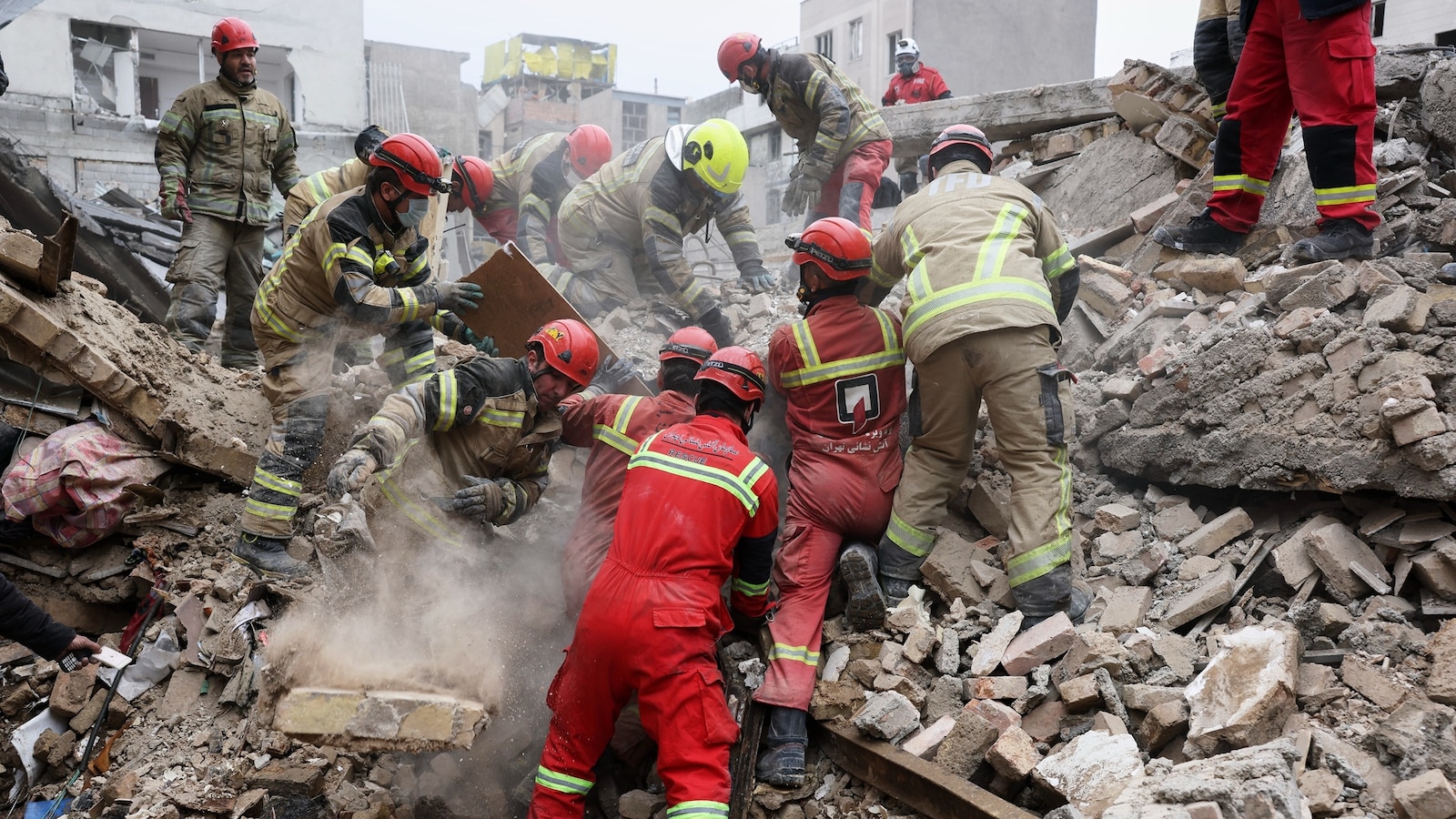
As the conflict continues, the initial celebration and hope felt by some Iranians has begun to give way to a more complicated mixture of emotions, as the human cost of the war becomes increasingly apparent. According to Iranian state media reports from earlier this month, at least 1,045 Iranians have lost their lives since the conflict began, though the true number may be significantly higher. Among the dead are 224 women and 202 children, according to Saturday’s report from Iran’s ministry of health, which notably did not provide a comprehensive total of all casualties. Ziba, a 43-year-old Tehran resident who agreed to speak with ABC News, described the terrifying reality of life under bombardment. After enduring one week of attacks, she evacuated the capital following an Israeli evacuation order for her neighborhood. Her account paints a vivid picture of the war’s impact on ordinary civilians: “It was the second day of the war when they were hitting the radio and television stations and the Tehran IRGC bases. I actually woke up thinking that an earthquake had hit Tehran,” she recalled, her voice carrying the weight of trauma. Living close to several regime targets, Ziba experienced the full force of the bombing campaign, with explosions so powerful they nearly dislodged the window frames from her home. The relentless nature of the attacks—occurring every three to four hours, sometimes more frequently—has transformed the atmosphere in Tehran from one of cautious optimism to pervasive fear. “The atmosphere in Tehran is much, much scarier than the first days, and many people are scared,” Ziba observed. “I really think that the conditions are getting harder every day for those who stayed in Tehran.” For Amir, the journalist who has witnessed all three conflicts, the fear has deepened as the war progresses, gradually overtaking the initial sense of hope that some had felt when news of the assassinations first broke.
Caught Between Oppression and Liberation: The Complex Reality of Foreign Intervention
Despite the mounting fear and casualties, many Iranians continue to hold onto hope that this conflict might finally break the regime’s stranglehold on their country. A young woman who spoke with ABC News articulated this complicated emotional landscape, describing how the sound of explosions has become paradoxically reassuring: “We hear attacks like every three, four hours, and some days, maybe less. But I can say the sound, it keeps us going. We are grateful for this opportunity, and we are waiting for the day that we can go out to the streets and get our country back from the Islamic regime.” Her words capture the desperation that has driven some Iranians to welcome a foreign military intervention—something that would typically be anathema to any population. Yet this support comes with clear-eyed realism about the motives of external actors. One Iranian man who contacted ABC News wanted to make sure Americans understood that Iranians harbor no illusions about why President Trump has launched this campaign. “People in Iran are not idiots,” he stated bluntly. “We don’t think Trump or anyone is doing this for human rights only. We have to work with what we have.” This pragmatic perspective reflects a population that has been backed into a corner by decades of brutal repression, calculating that even a military intervention driven by geopolitical interests rather than humanitarian concerns might offer their best chance at freedom. The man added that while Iranians must work with the current situation, they ultimately need to overcome the regime through their own efforts rather than relying entirely on foreign intervention—a recognition that sustainable change must ultimately come from within, even if external pressure helps create the conditions for that change.
A History of Broken Dreams: Why Some Iranians See War as the Only Path
To understand why some Iranians have reached the conclusion that only military intervention can dislodge the Islamic Republic, it’s essential to examine the history of failed reform movements and brutally suppressed protests. Mohsen, a 36-year-old Iranian, explained how he came to believe that “only outside pressure could remove the regime in Iran” after witnessing the government’s ruthless response to the peaceful nationwide protests of 2009. Over the years that followed, Mohsen watched as the Islamic Republic consistently killed and imprisoned protesters and activists who pursued change through peaceful means. The pattern repeated itself with devastating regularity: citizens would rise up demanding their rights, and the regime would respond with overwhelming force, crushing dissent and ensuring that the message was clear—resistance would be met with violence. “The massacres of peaceful protesters in 2019, 2022, and again in January 2026 convinced many of us that war might be the only way to get rid of this regime, no matter the cost,” Mohsen explained, his words heavy with the weight of accumulated disappointment and grief. “That is why I feel a sense of relief that this war has begun, and I hope the United States sees it through to the end.” The communication blackout that the regime imposed during the January 2026 crackdown—described by the Human Rights Activists News Agency as resulting in at least 6,800 deaths—only reinforced this sense that the Islamic Republic would never voluntarily relinquish power or allow meaningful reform. For Iranians like Mohsen, who have spent years hoping for peaceful change only to see their fellow citizens murdered in the streets, the current military campaign represents not an ideal solution, but perhaps the only remaining option after all others have been exhausted and proven futile.
Uncertain Futures: Living Under Bombardment While Dreaming of Freedom
As the war continues with no clear end in sight, Iranians find themselves trapped in an agonizing limbo, caught between the terrifying present and an uncertain future. The Islamic Republic’s near-complete internet shutdown has left millions of Iranians cut off from the rest of the world, making it difficult to verify information or coordinate any kind of organized response to the crisis. As Amir, the journalist, pointedly observed: “Basically nothing in Iran progressed with the will of the people. We wanted freedom and peace, but it did not happen, and now we are engaged in war, and that too in the conditions of complete internet shutdown.” This sense of powerlessness—of being subject to forces entirely beyond their control—pervades the accounts of Iranians who have managed to communicate with the outside world. They didn’t choose this war, just as they didn’t choose the decades of repression that preceded it, but they must now navigate its dangers while clinging to the hope that something better might emerge from the destruction. Even President Trump has tempered expectations about the timeline for change, stating on Fox News Radio’s The Brian Kilmeade Show that while he believes change will come to Iran, “it probably will be—maybe not immediately.” For the people living through this conflict, such statements offer little comfort, as they must balance their hopes for liberation against the daily reality of airstrikes, casualties, and the collapse of normal life. Yet despite all the fear and uncertainty, despite the mounting death toll and the destruction of their cities, many Iranians continue to nurture a fragile hope. As Amir eloquently expressed: “I don’t know what will happen if the war continues, but I hope that one day this country will see a happy face.” This simple statement encapsulates the resilience of a people who have endured so much and yet refuse to completely abandon their dreams of freedom, dignity, and peace—dreams that have sustained them through decades of darkness and that might, just possibly, be on the verge of finally becoming reality.