


Trump Allies Push Controversial Executive Order on Election Procedures
Claims of Chinese Interference Drive Emergency Declaration Draft
A concerning development has emerged from pro-Trump circles as a coalition of attorneys and supporters works to advance a sweeping executive order that could dramatically reshape American voting procedures. According to multiple sources speaking with ABC News, this 17-page draft document relies on unsubstantiated claims of Chinese interference in the 2020 election to justify declaring a national emergency. The proposed order would grant extraordinary powers to mandate voter ID requirements, eliminate mail-in voting except in limited circumstances, and require all ballots to be counted by hand rather than machines. President Trump has reportedly reviewed the draft, though it remains unclear whether he will ultimately sign such an order into law. The urgency surrounding this proposal stems from the approaching primary elections, with supporters pushing for immediate implementation despite the constitutional questions it raises about federal versus state control of elections.
The Architects Behind the Proposal
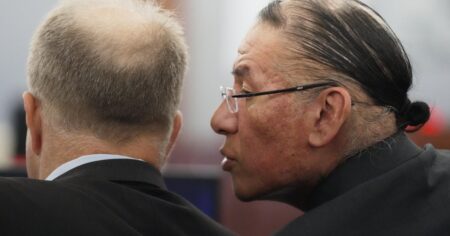
Florida attorney Peter Ticktin has emerged as one of the primary voices advocating for this executive order, confirming his ongoing discussions with White House officials about the draft. Ticktin, who also represents Tina Peters—a former Colorado county clerk who was jailed for illegally accessing voting equipment—argues that the emergency declaration would be necessary to eliminate electronic voting machines and mail-in ballots, which he characterizes as potential tools for foreign interference. “The most important provision, if you ask me, is the hand counting,” Ticktin explained to ABC News. “Get rid of the machines. That’s what we need to do right away.” According to sources, the drafting process has involved consultation with several prominent figures in the MAGA movement, including Michael Flynn, MyPillow CEO Mike Lindell, and Patrick Byrne—all individuals who played significant roles in efforts to challenge the 2020 election results. This network of activists has been pressuring the president and White House staff for months to take executive action before the upcoming midterm elections.
The Constitutional Conundrum
The proposed executive order faces significant constitutional obstacles that even its supporters acknowledge. Article I of the U.S. Constitution clearly assigns the power to regulate elections to state legislatures and Congress, not to the executive branch. When confronted with this constitutional reality, Ticktin conceded the traditional framework but argued that alleged foreign interference creates an exception. “The Constitution basically gives the power to the state legislators, not the governors, not any judges, not anything in the federal government, but just the state legislatures, the power to determine how that state is going to conduct its elections. So the President doesn’t have any power to change that,” he admitted, before adding, “But we really do have an election emergency right now.” This reasoning represents a fundamental challenge to the federal system of government, where election procedures have historically been controlled at the state level with limited federal oversight only when Congress passes specific legislation.
Absence of Evidence for Foreign Interference Claims
The entire premise of the proposed executive order rests on claims of Chinese interference in the 2020 election, yet no credible evidence supports these allegations. An official assessment conducted by the U.S. intelligence community found no indication that any foreign actor successfully altered vote tallies or changed election results in 2020. Despite Trump’s repeated assertions of widespread voter fraud and foreign interference, these claims have been thoroughly investigated and debunked by election officials, courts, and intelligence agencies across the political spectrum. The disconnect between the evidence-free foundation of this proposal and the sweeping powers it would grant to the executive branch has raised alarm bells among constitutional scholars and election integrity advocates. The willingness to declare a national emergency based on unproven allegations represents a dangerous precedent that could undermine the democratic process the order purportedly aims to protect.
Trump’s Public Signals and Legislative Strategy
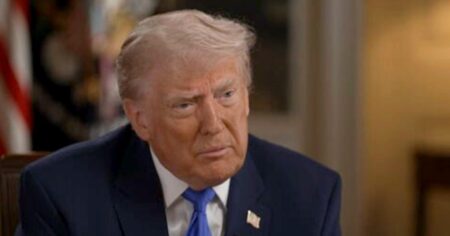
President Trump has been telegraphing his intentions regarding election procedures through social media and legislative advocacy. On February 13th, he posted what many interpreted as a preview of forthcoming executive action, writing: “The Democrats refuse to vote for Voter I.D., or Citizenship. The reason is very simple—They want to continue to cheat in Elections. This was not what our Founders desired. I have searched the depths of Legal Arguments not yet articulated or vetted on this subject, and will be presenting an irrefutable one in the very near future. There will be Voter I.D. for the Midterm Elections, whether approved by Congress or not!” In the same post, he emphasized that “the People of our Country are insisting on Citizenship, and No Mail-In Ballots, with exceptions for Military, Disability, Illness, or Travel.” Simultaneously, Trump has been pushing Republicans to support the SAVE America Act, which would require proof of citizenship to register to vote and voter ID to cast ballots. While the House passed this legislation, it faces significant obstacles in the Senate, potentially making an executive order more attractive to those seeking rapid implementation of these policies.
Political Backlash and Legal Challenges Ahead
The draft executive order has triggered immediate and forceful opposition from Democratic lawmakers and constitutional experts who view it as an unprecedented power grab. House Minority Leader Hakeem Jeffries and Representative Joe Morelle, ranking member of the Committee on House Administration, issued a joint statement declaring: “Donald Trump has repeatedly said he wants to nationalize our elections, because he intends to steal them. We reject the legality of any executive order based on debunked claims of Chinese interference in the 2020 election. Democrats will not allow Donald Trump to take over this election and neither will the American people.” Representative Ted Lieu pointed to the constitutional barriers, posting on social media: “There’s no national emergency exception to Art 1, Sec 4 of the Constitution. States regulate elections unless Congress passes law. That’s why trump desperately wants to pass the save act to suppress voting. Courts will slap trump down just like they did with his illegal tariffs.” A White House official offered a carefully worded response, stating that staff regularly communicates with “a variety of outside advocates who want to share their policy ideas with the President,” while cautioning that “any speculation about policies the President may or may not announce is just that—speculation.” Former White House adviser Steve Bannon has openly championed the proposal on his War Room show, claiming credit for investigations into what he calls the “Big Steal” of 2020 and asserting without evidence that “there is no doubt the CCP took an active role in removing President Trump from office.” If such an executive order is issued, legal challenges appear inevitable, setting up a constitutional showdown over the separation of powers and the limits of executive authority during declared emergencies.