
The Dark Side of Paradise: How a Mexican Cartel Turned a Luxury Resort Into a Fraud Empire
A Dream Vacation Destination Hiding a Nightmare
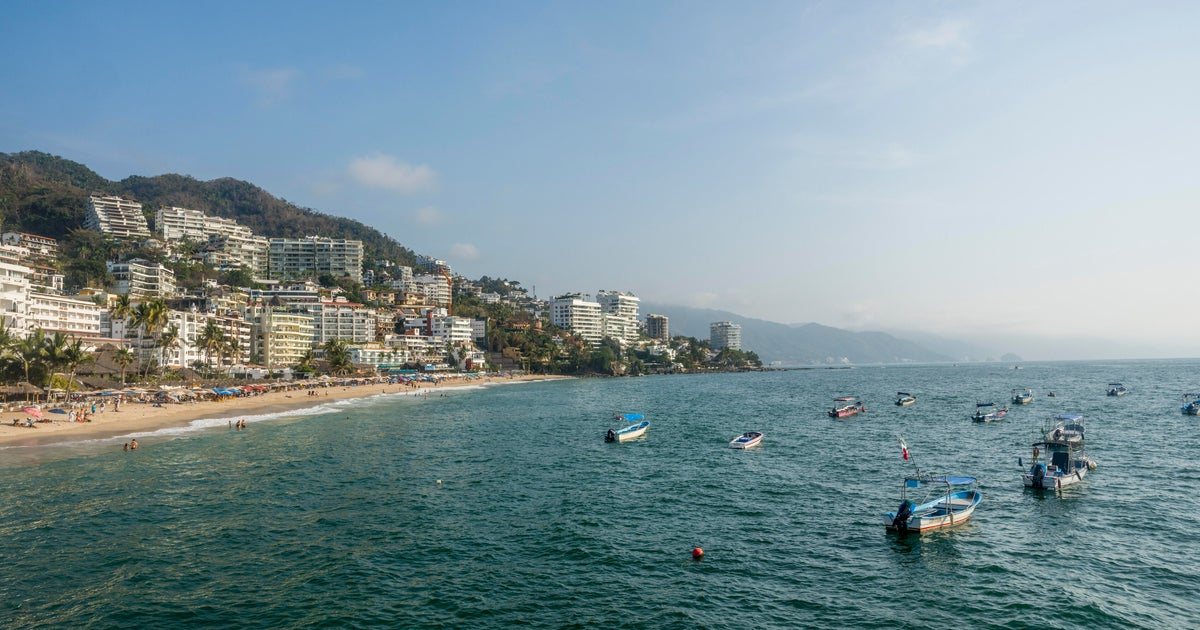
Picture this: you’re browsing online for the perfect getaway, and you stumble upon Kovay Gardens—a stunning beachfront property along Mexico’s gorgeous Pacific coast near Puerto Vallarta. The photos show pristine pools cascading toward crystal-blue waters, luxurious rooms with Egyptian cotton sheets, and the promise of personalized service including room service, complimentary breakfast buffets, and convenient airport transfers. It looks like the secluded paradise you’ve been dreaming about. But according to U.S. federal authorities, this picturesque 22-room timeshare resort was actually something far more sinister: an elaborate fraud operation run by one of Mexico’s most dangerous criminal organizations, designed specifically to prey on American tourists and drain their bank accounts of millions of dollars.
On Thursday, the U.S. Treasury Department took the extraordinary step of imposing sanctions on Kovay Gardens, publicly accusing the Nayarit resort of functioning as a front for the Cartel de Jalisco Nueva Generación—better known as CJNG, one of Mexico’s most powerful and violent drug trafficking organizations. But the sanctions didn’t stop at just the resort itself. Federal officials also targeted an entire web of individuals and companies they say worked hand-in-hand with the cartel to systematically defraud American citizens. What makes this case particularly heartbreaking is that many of the victims were older Americans who lost not just their vacation money, but their entire life savings to these sophisticated scams. This wasn’t just a few opportunistic criminals taking advantage of tourists—it was an organized, cartel-controlled operation that turned fraud into an assembly line.
How the Cartel Built a Fraud Empire in Paradise
According to the U.S. Treasury Department, CJNG has spent more than a decade steadily consolidating its control over timeshare scams throughout Puerto Vallarta and the surrounding Bahía de Banderas region. This area, which straddles the states of Jalisco and Nayarit, attracts tens of thousands of American tourists every single year, making it an ideal hunting ground for scammers. The way the operation worked was disturbingly sophisticated. Potential victims would be invited to Kovay Gardens for what seemed like standard timeshare sales presentations—the kind many of us have sat through in exchange for free vacation perks. Sales representatives would paint an enticing picture: invest in a timeshare at this luxury property, and when you’re not using your allotted weeks, you can rent them out to other vacationers and actually make money on your investment.
But once unsuspecting Americans signed contracts and handed over their credit card information, the real fraud began. According to officials, the resort would overcharge those credit cards, taking far more money than agreed upon. Even worse, the customer information collected during these transactions didn’t just disappear into some filing cabinet—it was fed directly into CJNG-operated call centers that used the data to launch wave after wave of additional scams against the same victims. Treasury officials described what they found as a “vertically integrated fraud factory”—essentially, a one-stop shop where the cartel controlled every step of the operation, from the initial contact at the resort all the way through to the final extraction of money via international wire transfers. The resort wasn’t just a place where scams happened; it was purpose-built to generate victims and feed them into a larger criminal ecosystem.
The Psychological Manipulation That Kept the Money Flowing
What makes these scams particularly cruel is how they exploited victims over and over again, using psychological manipulation to extract every possible dollar. After Americans had already lost money to the initial timeshare fraud, they would receive follow-up phone calls from people claiming to be lawyers, government officials, or consumer protection advocates. These callers would tell victims that they could help recover the money that had been stolen—for a fee, of course. Desperate to recoup their losses and feeling like someone finally understood their situation, many victims would pay these “recovery fees,” not realizing they were being scammed by the exact same organization all over again.
In other variations of the scheme, victims received threatening calls warning them that they faced fines, legal action, or other serious consequences unless they immediately sent more money to Mexico. These intimidation tactics preyed on fear and confusion, particularly affecting older Americans who might be less familiar with how international fraud works or more trusting of people claiming to be authority figures. The beauty of the operation from the criminals’ perspective was its self-perpetuating nature: every victim who fell for the initial timeshare scam became a name in a database, a target who could be contacted again and again with new schemes, new threats, and new promises. The U.S. government says this network operating within CJNG’s territorial stronghold was overseen by cartel commander Audias Flores Silva, with various lieutenants collecting payments from the call centers connected to Kovay Gardens.
The Staggering Scale of the Problem
The financial impact of these Mexico-based timeshare fraud operations is almost difficult to comprehend. After the U.S. government issued a specific alert about Mexican timeshare fraud in March 2023, the response was overwhelming: more than 850 suspicious activity reports were filed, flagging approximately $330 million in potentially fraudulent transactions. The vast majority of these involved Americans wiring money to scammers operating in Mexico. The Financial Crimes Enforcement Network (FinCEN), which operates within the U.S. Treasury Department, now receives roughly 40 such reports every single month—a steady stream of Americans falling victim to these schemes.
The FBI’s statistics paint an even grimmer picture. Between 2019 and 2023, approximately 6,000 U.S. victims reported losing nearly $300 million to these operations. In 2024 alone, another $50 million in losses was reported. But here’s the truly alarming part: federal officials believe these numbers represent only a fraction of the actual damage. Many victims never come forward to report what happened to them, either because they’re embarrassed about being scammed, afraid of retaliation, or simply don’t know where to turn for help. When you consider how many people might be suffering in silence, the true scope of the victimization could be exponentially larger than what’s been officially documented. We’re potentially talking about billions of dollars and tens of thousands of victims over the years.
Cartels Evolving Beyond Drugs
This case represents something important that law enforcement has been tracking for years: the evolution of Mexican drug cartels into diversified criminal enterprises. CJNG, like other major cartels, has realized that relying solely on narcotics trafficking is risky and limiting. By expanding into other criminal activities, they can generate revenue streams that are sometimes less dangerous than drug smuggling and harder for authorities to detect and disrupt. Beyond the tourism fraud schemes, CJNG has moved into fuel theft (known in Mexico as “huachicoleo”), extortion rackets targeting businesses and individuals, and various forms of financial fraud.
What makes these operations particularly challenging to combat is how cartels have learned to disguise them behind legitimate-looking businesses. Kovay Gardens wasn’t operating out of some obviously sketchy storefront—it was an actual resort with a real beachfront location, actual rooms, and the outward appearance of a legitimate hospitality business. This blurring of the line between legal and illegal enterprises allows cartels to launder money, create employment for their members that doesn’t immediately attract law enforcement attention, and establish a foothold in communities where they can exert influence and control. The sanctions imposed this week are part of a broader U.S. government effort to expose these operations and cut off the financial networks that support them, but it’s an uphill battle when criminal organizations can simply rebrand and reopen under new names and corporate structures.
What This Means for American Travelers and the Fight Ahead
For American travelers, this case serves as a sobering reminder that not everything that glitters is gold, even in paradise. The timeshare industry has long had a reputation for aggressive sales tactics, but what happened at Kovay Gardens went far beyond pushy salespeople. This was organized crime deliberately targeting American tourists, using the appeal of a Mexican vacation destination as bait for a sophisticated fraud operation. Travelers need to be extremely cautious about timeshare presentations, particularly in areas where cartel influence is known to be strong. Any deal that seems too good to be true, any high-pressure sales tactic, or any request to wire money internationally should raise immediate red flags.
Looking forward, the sanctions against Kovay Gardens and its associated network represent an important step, but they’re just one battle in a much larger war. As long as there’s money to be made and Americans willing to trust appealing vacation offers, criminals will continue developing new schemes. The challenge for law enforcement is staying ahead of operations that can quickly adapt, relocate, and rebrand. For potential victims, the best protection is awareness and skepticism—understanding that even a beautiful resort with real pools and Egyptian cotton sheets can be a trap designed to separate you from your money and personal information. If you or someone you know has been victimized by a timeshare scam, federal authorities encourage reporting it to the FBI’s Internet Crime Complaint Center or the Federal Trade Commission, both to potentially help recovery efforts and to provide intelligence that can prevent others from falling victim to these increasingly sophisticated criminal operations.