


Airport Security Crisis: TSA Officers Call Out in Record Numbers During Government Shutdown
Unprecedented Staffing Shortages Hit America’s Airports
The nation’s airport security system is facing its most severe staffing crisis since the partial Department of Homeland Security shutdown began, with Saturday, March 21, marking a troubling milestone. According to exclusive data from the Transportation Safety Administration obtained by ABC News, more than 3,250 TSA officers called out sick on that single day, representing 11.51% of the entire scheduled workforce. This unprecedented absence rate has created a domino effect across airports nationwide, with security lines snaking through terminals and wait times stretching to hours rather than minutes. The crisis stems from a fundamental issue that would challenge any workforce: TSA officers have now gone more than three weeks without receiving a paycheck, forcing many to make difficult choices between reporting to work and addressing their personal financial emergencies. As these dedicated security professionals struggle with unpaid bills and mounting financial pressure, the traveling public is bearing the brunt of the consequences through dramatically extended wait times and uncertainty about their travel plans.
Political Standoff Deepens as Both Sides Dig In
The government shutdown affecting the Department of Homeland Security has evolved into a high-stakes political chess match between the White House and Congressional Democrats, with no clear resolution in sight. President Donald Trump has escalated the situation by announcing plans to deploy Immigration and Customs Enforcement (ICE) agents to airports beginning Monday, positioning this move as a necessary stopgap measure to maintain airport security operations. The administration’s justification is that ICE has remained funded through appropriations from last summer’s tax and spending bill, while critical DHS agencies including TSA, the Federal Emergency Management Agency, and the Coast Guard have been left without funding. Democrats, however, are holding firm on their position, insisting that they will not vote to fund the Department of Homeland Security until the administration agrees to comprehensive reforms of ICE and Customs and Border Protection policies. This political impasse has effectively trapped thousands of federal workers in the middle, forcing them to choose between their financial survival and their commitment to public service, while millions of American travelers face the practical consequences of this governmental dysfunction.
Long Lines and Frustrated Travelers Become the New Normal
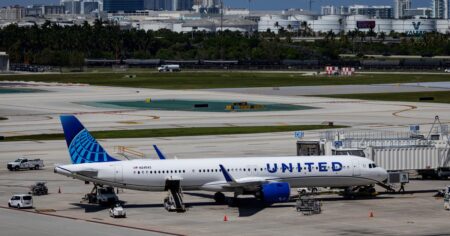
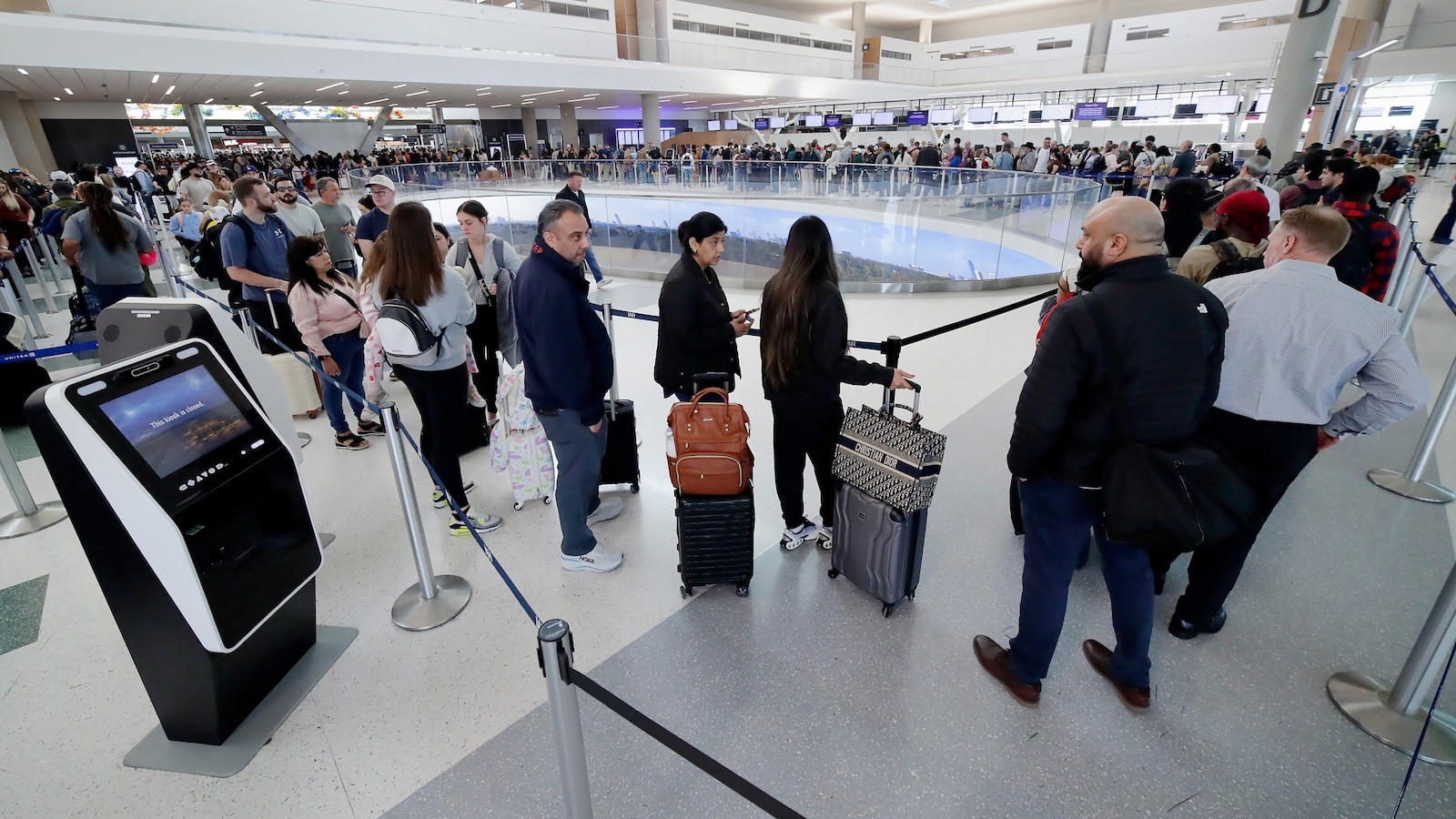
The real-world impact of this staffing shortage has transformed the airport experience into an exercise in patience and planning for travelers across the country. At New York’s LaGuardia Airport on Sunday, passengers faced a staggering nearly four-hour wait during the 11 a.m. hour just to pass through TSA checkpoints – a delay that could cause many travelers to miss their flights entirely despite arriving at the airport well in advance. The crisis is not confined to one region but has spread across the nation’s busiest travel hubs. Houston’s airports have been particularly hard hit, with William P. Hobby Airport experiencing a 47.4% TSA personnel call-out rate on Saturday, while George Bush Intercontinental Airport wasn’t far behind at 42.4%. Other major airports reporting call-out rates exceeding 20% included Baltimore/Washington International, Chicago Midway, Charlotte Douglas, Phoenix Sky Harbor, and Pittsburgh International, among others. Wait times have become equally problematic across multiple locations, with Luis Munoz Marin International Airport in San Juan, Puerto Rico, seeing waits of approximately two-and-a-half hours, while Hartsfield-Jackson Atlanta International Airport, one of the world’s busiest airports, experienced wait times of an hour and a half or more.
Administration’s Controversial Solution Raises Safety Concerns
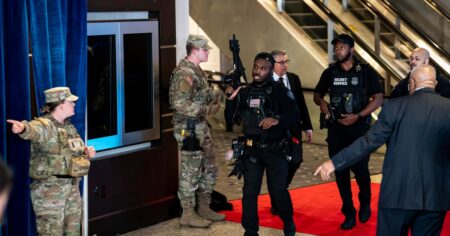
Transportation Secretary Sean Duffy appeared on ABC’s “This Week” to defend the administration’s plan to deploy ICE agents to airports, arguing that these agents possess adequate training to assist with airport security operations. According to Duffy, even if ICE agents lack specific TSA training, they could still provide valuable support by managing passenger lines and performing less specialized tasks. White House Border Czar Tom Homan elaborated on this vision during an appearance on CNN’s “State of the Union,” explaining that ICE agents would not attempt to operate x-ray screening equipment or perform tasks requiring TSA’s specialized expertise. Instead, the plan envisions ICE agents taking over duties such as guarding exits and managing crowd flow, theoretically freeing up trained TSA officers to focus on security screening functions. Multiple sources familiar with the situation have indicated that ICE agents are expected to be deployed to 14 airports nationwide, though officials caution that these plans remain fluid and the number of affected airports could change as logistical details are finalized. Atlanta Mayor Andre Dickens confirmed in a statement Sunday that his city had been notified that federal personnel from Homeland Security Investigations and ICE would begin deployment to Hartsfield-Jackson Atlanta International Airport on Monday morning, with assurances that the deployment would not involve immigration enforcement activities and that all federal personnel would report directly to TSA.
Union Leaders Sound Alarm Over Safety and Training Concerns
The response from those who represent TSA workers has been swift and forceful, with union leadership expressing serious reservations about the administration’s proposed solution. Everett Kelley, National President of the American Federation of Government Employees, issued a strongly worded statement Sunday characterizing the administration’s plan as a “threat” rather than a genuine solution. Kelley emphasized the extensive and specialized training that TSA officers receive, noting that they spend months learning to detect explosives, weapons, and sophisticated threats specifically designed to evade detection at airport checkpoints. This training involves not just initial instruction but ongoing hands-on practice and regular recertification to maintain proficiency in these critical skills. According to Kelley, this specialized expertise simply cannot be improvised or quickly transferred to personnel without the same rigorous background. His statement pulled no punches in warning that “putting untrained personnel at security checkpoints does not fill a gap. It creates one.” The union leader also highlighted the dedication of TSA workers who have continued reporting to work despite going without paychecks, demonstrating their commitment to the mission of protecting the traveling public. Kelley argued that these professionals deserve to be compensated for their work rather than being replaced by what he described as “untrained, armed agents who have shown how dangerous they can be,” making a pointed reference to concerns about ICE agents’ preparation for aviation security roles.
The Human Cost and Path Forward
Behind the statistics and political rhetoric lies a fundamentally human story of dedicated public servants caught in an impossible situation. TSA officers across the country have been showing up to work day after day, screening passengers and protecting the aviation system, all while dealing with their own mounting financial crises at home. These are individuals with mortgages or rent to pay, families to feed, and bills that don’t stop coming just because the government has failed to pass a funding bill. The strain is evident in the call-out numbers, which tell the story of workers who simply cannot afford to continue working without compensation. As this situation continues, the question becomes how long the system can sustain these staffing levels before security itself is compromised, not just convenience. The traveling public, meanwhile, has been thrust into uncertainty, forced to add hours to their pre-flight arrival times and face the possibility of missed flights and disrupted plans through no fault of their own. The deployment of ICE agents may provide temporary relief by adding bodies to airports, but it does nothing to address the underlying problem: dedicated federal workers going without pay while political leaders remain deadlocked. Until Congress and the White House can find common ground on DHS funding, American travelers should expect continued disruptions, TSA workers will face ongoing financial hardship, and the security of the nation’s aviation system will remain stressed in ways that benefit no one. The solution ultimately requires not creative stopgaps or political maneuvering, but rather a return to basic governmental function: passing a budget and paying workers for their service.