


NASA’s Artemis II Moon Mission: A New Chapter in Human Space Exploration
The Journey Back to the Launch Pad
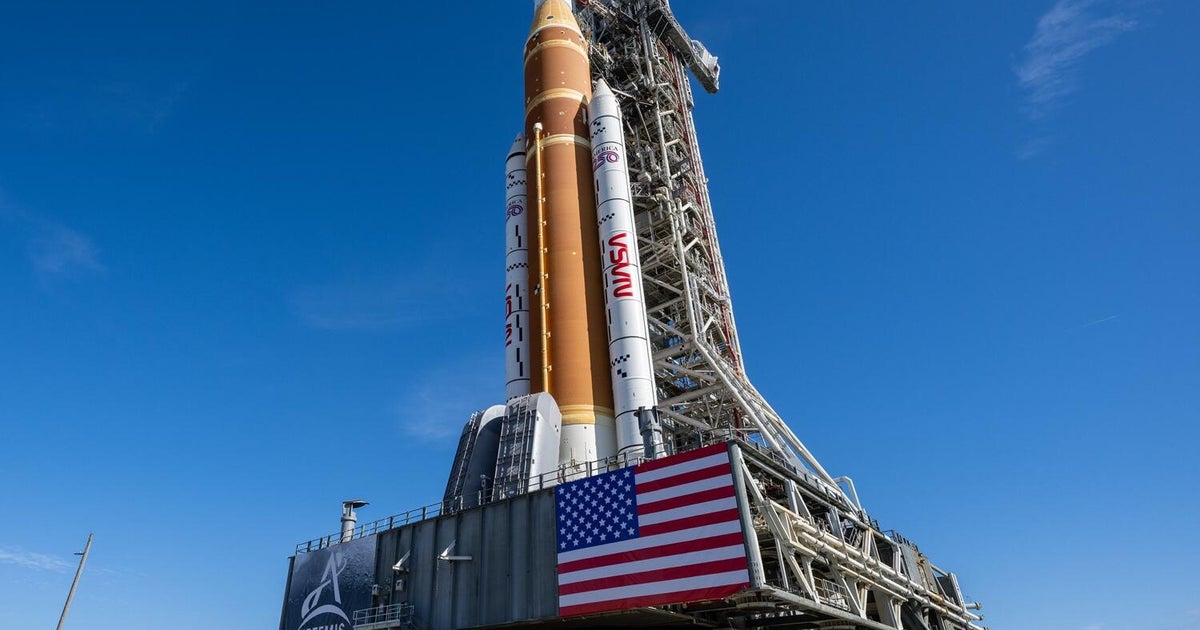
In the pre-dawn darkness of a Florida Friday morning, history began rolling forward at a crawl. NASA’s massive Artemis II moon rocket, standing as tall as a 30-story building at 332 feet, started its painstakingly slow journey back to the launch pad at Kennedy Space Center. Perched atop one of NASA’s giant crawler-transporters—machines that date back to the Apollo era and move at speeds that would make a turtle impatient—the rocket began inching out of the Vehicle Assembly Building around 12:20 a.m. EDT. The departure was already running nearly four and a half hours behind schedule due to strong winds whipping along Florida’s Space Coast, but for a mission of this magnitude, caution trumps punctuality every time. The 4-mile trek to Launch Pad 39B, moving at less than one mile per hour, was expected to take approximately 12 hours, with arrival anticipated around noon. This glacial pace might seem frustrating in our age of instant gratification, but when you’re transporting a rocket loaded with intricate systems designed to carry human lives beyond Earth’s protective embrace, slow and steady definitely wins the race.
Preparing for a Historic Launch
Once the rocket settles into its position at Launch Pad 39B, the real work begins. Teams of NASA engineers and contractor technicians will swarm the site, working methodically to connect the countless fuel lines, power cables, and data connections that will bring this technological marvel to life. They’ll be running battery after battery of tests, checking and double-checking every connection, verifying the health of every component. It’s meticulous, demanding work that leaves no room for error. The rocket will need more than 750,000 gallons of super-cold liquid hydrogen and oxygen propellants for launch, and NASA managers have made it clear: the next time those tanks are filled, it won’t be for another test—it will be for the real thing. The targeted launch date is April 1 at 6:24 p.m., with a two-hour window of opportunity. If weather, technical issues, or any other concerns arise, they have until April 6 before the celestial mechanics of Earth and moon positions, along with critical lighting and solar power requirements, force them to stand down for another three weeks until conditions align favorably again.
Meet the Artemis II Crew
Four extraordinary individuals are preparing to make history. Commander Reid Wiseman will lead the mission alongside Victor Glover, Christina Koch, and Canadian astronaut Jeremy Hansen. These aren’t just names on a roster—they represent years of training, expertise, and the dreams of millions who’ve looked up at the moon and wondered what it would be like to travel there. On Wednesday night, the crew entered pre-flight medical quarantine, a necessary isolation period to ensure they don’t carry any illnesses into space where medical care is extremely limited. They’re scheduled to arrive at Kennedy Space Center a week from the Friday of the rocket’s rollout, giving them time to walk the pad, see their vehicle in its launch configuration, and mentally prepare for the journey of their lifetimes. When they strap into the Orion crew capsule on launch day, they’ll be making history as the first humans to fly aboard the Space Launch System rocket and only the second crew ever to occupy an Orion spacecraft—the first test flight in 2022 was unpiloted and didn’t even include a functioning life support system.
Why This Mission Matters
The significance of Artemis II cannot be overstated. This will be the first time humans have ventured to the moon since the Apollo 17 crew departed the lunar surface in December 1972—over half a century ago. While Wiseman and his crewmates won’t actually land on the moon or even enter lunar orbit during this mission, they’ll swing around our celestial neighbor in a trajectory that will take them farther from Earth than any human being has ever traveled. Think about that for a moment: in an era when we routinely video chat with people across the planet, stream movies from space-based satellites, and carry supercomputers in our pockets, we haven’t sent humans beyond low Earth orbit in more than 50 years. The crew’s first full day in space will be dedicated to thoroughly checking out Orion’s propulsion systems, navigation equipment, communications arrays, and critically important life support systems before they commit to the journey to the moon. This shakedown cruise is essential because it will validate all the systems needed for future missions, including the planned lunar landings scheduled for 2028.
Overcoming Technical Challenges
The road to Launch Pad 39B has been anything but smooth, illustrating the immense complexity of modern spaceflight. The mission was originally slated for early February, but hydrogen fuel leaks discovered during a dress rehearsal countdown forced delays. Engineers fixed that problem right at the pad, and a second fueling test went off without major hitches, pointing toward a potential March 6 launch. But then a new gremlins appeared: technicians couldn’t pump high-pressure helium back into the rocket’s upper stage. This might sound like a minor issue, but helium plays crucial roles in rocket operations—it pushes propellants to engines and helps clean and dry tanks and propellant lines. Unlike the first-stage leak, this problem couldn’t be accessed at the launch pad, necessitating the entire rocket’s return to the Vehicle Assembly Building where extendable platforms could provide the needed access. The culprit turned out to be misplaced seals in a quick-disconnect fitting, which were promptly repaired. While they had the rocket in the building, engineers also replaced batteries in the self-destruct system (a safety feature required on all rockets in case they veer off course), recharged various other batteries throughout the vehicle, and replaced seals in the first-stage liquid oxygen propellant umbilical mechanism.
Looking Toward the Future
If Artemis II succeeds, it will open the floodgates for an ambitious series of missions that will culminate in humans once again walking on the lunar surface. NASA is already planning Artemis III for next year, which will test rendezvous and docking procedures with lunar landers being developed by SpaceX and Blue Origin—two private companies that represent the new era of commercial spaceflight working hand-in-hand with government agencies. Following that mission, at least one and possibly two actual moon-landing missions are scheduled for 2028, when astronauts will once again leave bootprints in the lunar dust. But none of this ambitious future can happen without Artemis II proving that the Space Launch System rocket and Orion spacecraft are truly ready for prime time. The crew of four carries not just their own dreams into space, but the aspirations of an entire generation that has grown up hearing about space exploration as history rather than current events. Their successful mission will reignite the flame of human space exploration, potentially leading to permanent lunar bases, missions to Mars, and achievements we can barely imagine today. As that massive rocket sits on the pad in the coming days, fueled and ready, it represents more than engineering excellence—it symbolizes humanity’s eternal drive to explore, to push boundaries, and to answer the ancient question: what lies beyond the next horizon?