
Georgia Special Election Heads to Runoff After No Clear Winner Emerges
A Heated Race to Replace Marjorie Taylor Greene
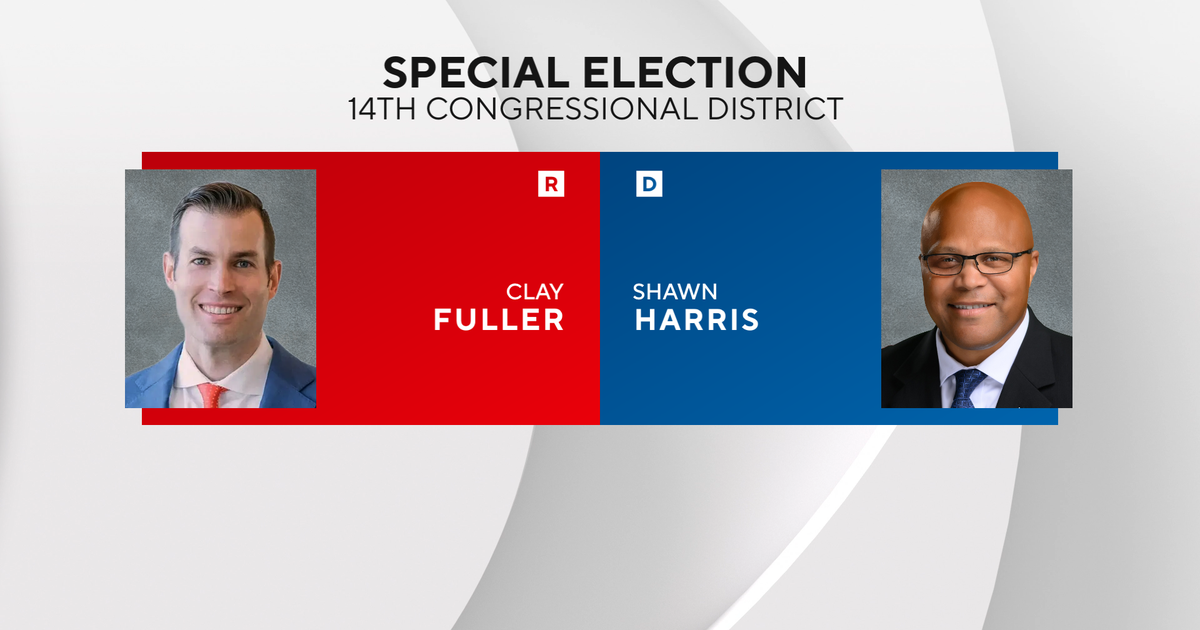
The race to fill the congressional seat vacated by former Representative Marjorie Taylor Greene has taken an expected turn, with no single candidate securing enough votes to claim victory outright. CBS News projects that the Georgia 14th Congressional District special election will proceed to a runoff scheduled for April 7th. When polls closed at 7 p.m., the results showed that former District Attorney Clay Fuller and retired Army Brigadier General Shawn Harris emerged as the top two vote-getters from a remarkably crowded field. Fuller, running as a Republican, and Harris, representing the Democratic Party, will now face each other head-to-head in what promises to be a closely watched contest. The race attracted significant attention not just because of Greene’s controversial tenure, but also because of the unusual circumstances surrounding her departure and the subsequent scramble among candidates eager to represent this solidly conservative district in northwest Georgia.
The Leading Candidates: Fuller and Harris Advance
Clay Fuller comes into the runoff with substantial momentum and the coveted endorsement of President Donald Trump, who praised the former White House fellow as having his “complete and total endorsement.” Fuller’s political journey has been interesting—he finished fourth in the 2020 Republican primary that Greene ultimately won, showing he’s been persistent in his congressional ambitions. His recent career trajectory included being appointed as district attorney of the Lookout Mountain Judicial Circuit in 2023, then winning a full term in 2024, only to resign from that position to pursue this congressional seat. Georgia Governor Brian Kemp enthusiastically celebrated Fuller’s advancement to the runoff, writing on social media that when he appointed Fuller as District Attorney, he was confident Fuller would be “a fearless advocate for the rule of law.” Kemp’s message was clear: Republicans need to unite behind Fuller and send this “proven, conservative fighter to Washington.”
On the Democratic side, Shawn Harris brings a completely different background to the table. A Cedartown farmer and Army veteran, Harris actually faced off against Greene in the 2024 election and lost, but that experience hasn’t dampened his determination. What’s particularly notable about Harris’s campaign is his impressive fundraising prowess—of all candidates in Tuesday’s race, he raised the most money, pulling in about $4.3 million with approximately $290,000 remaining in the bank as of February 18th. This financial advantage demonstrates significant grassroots support and suggests that Democrats see a real opportunity in this district, despite its conservative leanage. Fuller had the second-largest war chest with about $238,000 in the bank and total fundraising of roughly $787,000, which is respectable but significantly less than Harris’s haul.
The Circumstances Behind the Vacancy
The seat has stood empty since January, following Greene’s resignation amid a very public and increasingly bitter feud with President Trump. The conflict centered on disagreements over foreign policy issues and the politically sensitive matter of releasing documents related to the Jeffrey Epstein case. The deterioration of their relationship was dramatic and swift—just one week before Greene announced her plans to step down, Trump publicly stated he would support a primary challenge against her. For a politician whose brand was so closely tied to Trump’s MAGA movement, this represented a devastating blow. Greene’s departure marked a stunning reversal of fortune for a congresswoman who had once been one of Trump’s most vocal and enthusiastic supporters in Congress. Interestingly, Greene has remained conspicuously silent on her successor, declining to endorse anyone in the crowded race to replace her, perhaps recognizing that her endorsement might be more of a liability than an asset given her controversial exit.
A Remarkably Crowded Field
The initial interest in this seat was extraordinary, with twenty-two candidates filing to run—a testament to both the perceived importance of the district and the opportunity created by the sudden vacancy. By the time Tuesday’s special election arrived, the field had narrowed somewhat to seventeen candidates who actually appeared on the ballot. The breakdown included twelve Republicans, three Democrats, one Libertarian, and one independent candidate, reflecting the district’s strong Republican lean but also showing that candidates from across the political spectrum saw potential pathways to victory. The sheer number of candidates virtually guaranteed that no one would receive the majority needed to win outright, making a runoff almost inevitable. This dynamic benefited candidates like Harris, who could consolidate Democratic votes, and Fuller, who secured Trump’s endorsement to help stand out in the crowded Republican field.
The Stakes for Congress and National Politics
While the winner of this special election will only serve out the remainder of Greene’s term—a relatively brief period in congressional terms—the implications extend far beyond this single seat. Republicans are understandably anxious to maintain their hold on this solidly conservative district, which Greene won comfortably in previous elections. However, Democrats scent an opportunity amid the GOP divisions, controversies, and the fractured field that characterized the initial special election. The outcome takes on even greater significance when considering the broader context: Republicans currently maintain only a slim majority in the U.S. House of Representatives, meaning that every single seat matters enormously for controlling the legislative agenda, committee assignments, and the overall direction of Congress.
With primaries and the November general elections approaching rapidly, the Georgia 14th District race serves as both a bellwether and a testing ground for messages and strategies that both parties will deploy nationwide. For Republicans, the question is whether Trump’s endorsement still carries the decisive weight it once did, and whether the party can quickly unify behind Fuller after such a divided primary. For Democrats, the challenge is whether Harris can maintain his fundraising advantage and convert what seems like a long-shot campaign into a genuine upset in territory that hasn’t been particularly hospitable to Democratic candidates in recent cycles.
Looking Ahead to the April Runoff
As the calendar turns toward the April 7th runoff, both campaigns will shift into high gear. Fuller will likely emphasize his law-and-order credentials from his time as district attorney, his Trump endorsement, and his conservative bona fides to energize the Republican base. Governor Kemp’s vocal support provides additional establishment credibility that could help Fuller consolidate support from Republicans who backed other candidates in the initial special election. Harris, meanwhile, will need to capitalize on his superior fundraising, leverage his military service, and potentially appeal to moderate Republicans disaffected by the Greene-Trump drama that led to this vacancy in the first place. His challenge is formidable but not impossible—special elections with low turnout can sometimes produce surprising results, especially when one candidate has a significant financial advantage.
The shortened timeframe until the runoff means both campaigns will need to make every dollar and every day count. Television ads, door-knocking, phone banks, and get-out-the-vote efforts will intensify. National party organizations and outside groups will almost certainly pour resources into the district, recognizing that this race could have symbolic importance beyond the immediate legislative impact. Whether Georgia’s 14th District sends a Trump-endorsed Republican or a well-funded Democratic veteran to Congress will be analyzed as a signal about the political environment heading into the crucial November elections, making this northwestern Georgia district one of the most closely watched places in American politics over the next few weeks.