
RFK Jr. Faces Congressional Scrutiny: A Heated Budget Hearing Reveals Deep Divisions
A Rocky Return to Capitol Hill
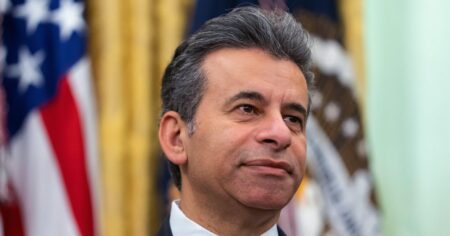
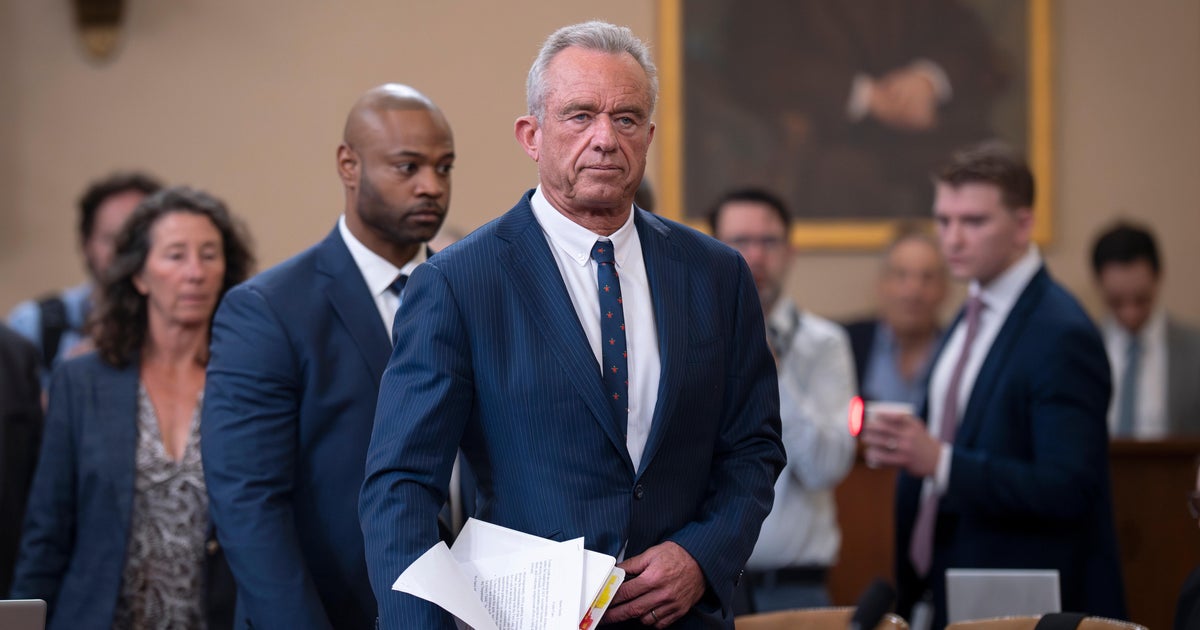
Health Secretary Robert F. Kennedy Jr. stepped into the congressional hot seat on Thursday for his first appearance before federal lawmakers since September, and the atmosphere was anything but welcoming. Facing the House Ways and Means Committee, Kennedy was there to defend the Trump administration’s controversial proposal to slash his department’s budget by more than 12%. This hearing marked just the beginning of what promises to be an exhausting week for Kennedy, with seven budget hearings scheduled across various congressional committees and subcommittees. The health secretary came prepared to highlight what he considers positive developments under his watch—specifically, the administration’s efforts to reform dietary guidelines and eliminate waste, fraud, and abuse within the system. However, the partisan divide in the room was immediately apparent, with Republicans celebrating Kennedy’s arrival as a “breath of fresh air” while Democrats sharpened their knives for what would become a confrontational day of testimony.
The Battle Lines Are Drawn Along Party Lines
The contrast in how the two parties approached Kennedy couldn’t have been more stark. Republican committee members welcomed him warmly, offering softball questions that allowed him to promote his department’s recent initiatives and changes. They viewed his unconventional approach to health policy as refreshing and necessary. Democrats, on the other hand, came loaded for bear. They’ve been seething over Kennedy’s sweeping overhaul of the U.S. Department of Health and Human Services, and Thursday’s hearing gave them their chance to express that fury publicly. Their questions were pointed and accusatory, focusing on what they characterized as dangerous policy reversals, budget cuts to critical programs, and what they see as the Trump administration’s hypocrisy when it comes to addressing fraud. The tension in the room was palpable as Democrats pressed Kennedy on his decisions to scale back vaccine recommendations and public health messaging—actions they directly blamed for preventable deaths. Kennedy didn’t take these attacks lying down, frequently raising his voice and accusing Democratic lawmakers of deliberately misrepresenting both his current work and his past statements.
The Measles Controversy Takes Center Stage
One of the most heated moments came early in the hearing during an exchange between Kennedy and California Representative Linda Sanchez. The Democratic congresswoman brought up the troubling reality of recent measles outbreaks spreading across the United States and directly challenged Kennedy about the Centers for Disease Control and Prevention’s decision to pull back public health messaging that supported vaccination. Speaking as a mother, Sanchez expressed genuine horror at the situation and pointedly asked whether President Trump had approved Kennedy’s decision to end the CDC’s pro-vaccine public messaging campaign. Kennedy refused to give a straight answer, instead insisting he needed to correct what he called “misstatements” made by Sanchez. He attempted to pivot to praising the Trump administration’s record on preventing measles, even though public health data shows that protections against the disease have actually weakened in various parts of the country as vaccination rates have declined. The exchange grew increasingly tense as both parties talked over each other, with Sanchez repeatedly telling Kennedy he wasn’t answering her question. However, she did manage to get one significant admission from the longtime anti-vaccine activist. When pressed about a tragic case involving a 6-year-old child who died from measles in West Texas last year, Kennedy acknowledged that vaccination could potentially have saved that child’s life, saying “It’s possible, certainly.” This admission was particularly noteworthy given Kennedy’s history of vaccine skepticism before entering politics.
A Controversial Quote Sparks Denial and Debate
Perhaps the most explosive moment of the hearing came when Alabama Representative Terri Sewell confronted Kennedy about comments he made in 2024 during his presidential campaign. Sewell’s staff held up a poster displaying a quote from Kennedy’s appearance on the “High Level Conversations” podcast from July of that year. In that interview, Kennedy had discussed psychiatric medications and Black children, saying that every Black kid is now routinely put on drugs like Adderall, SSRIs, and benzodiazepines, which he claimed induce violence. He went on to describe giving these children a chance to go somewhere and “get re-parented” in communities without cellphones or screens where they’d have to actually talk to people. When Sewell asked Kennedy if he had ever parented a Black child, he flatly denied making the statement, claiming he didn’t even know what the phrase “re-parented” meant. “I’m not going to answer something I didn’t say,” Kennedy insisted, later accusing Sewell of “making stuff up.” However, the podcast recording clearly shows Kennedy making these exact comments. An HHS spokesperson later attempted damage control, explaining that Kennedy—before joining the administration—was referring to proposed free rehabilitation facilities in rural areas where young people facing mental health challenges could receive what she described as “re-parenting,” which she characterized as a psychotherapy term for developing emotional regulation, discipline, boundaries, and self-worth that might not have been established in childhood. The denial in the face of clear evidence did Kennedy no favors with Democrats or the public watching.
The Fraying of Family and Party Bonds
The hearing highlighted a profound personal and political transformation for Kennedy, who spent most of his life as a Democrat and comes from one of America’s most iconic political families. Throughout the day, both Republican and Democratic lawmakers began their questioning by expressing admiration for Kennedy’s relatives, particularly former President John F. Kennedy, his uncle. But these polite nods to family history couldn’t mask the bitter reality that Kennedy’s relationship with his former party has completely collapsed. The exchanges between Kennedy and Democratic representatives were often spiteful and personal, with the health secretary growing increasingly defensive and visibly agitated as the hours wore on. He repeatedly criticized Democratic lawmakers for not allowing him to respond fully to their questions, complaining at one point, “They’ve all shut me up. They give a little speech that they can go and market, you know, for fundraising, and they don’t allow me to answer the question.” His frustration was evident as he accused Democrats of playing political theater rather than engaging in genuine oversight. The transformation of this Kennedy from Democratic activist to Trump administration official and target of Democratic fury represents one of the more dramatic political reinventions in recent memory.
Moments of Civility in a Contentious Day
Despite the overwhelmingly confrontational atmosphere, there were a few brief moments when civility broke through the tension. Representative Gwen Moore of Wisconsin managed to lighten the mood with humor, making a deal with Kennedy before beginning her questioning. “I promise to give you easy, comfortable questions if you don’t yell at me and hurt my feelings,” she told him with a smile. Kennedy, appreciating the lighter approach, promised he wouldn’t yell at her. These rare moments of humanity served as reminders that beneath the political theater and partisan warfare, there were still opportunities for respectful dialogue. However, they were the exception rather than the rule in a hearing that ultimately showcased just how divided Washington has become over health policy under the Trump administration. As Kennedy faces six more budget hearings in the coming week, Thursday’s contentious session has set the tone for what promises to be a grueling examination of his leadership at HHS and the administration’s controversial health policy decisions. The fundamental questions remain unanswered: Can Kennedy rebuild trust with skeptical lawmakers? Will his budget cuts stand? And most importantly, what will be the real-world impact of his policy changes on American public health?