
The Controversy Over RFK Jr.’s “Food as Medicine” Claims: Hope, Hype, and Health
Introduction: A Bold Message from America’s Health Secretary
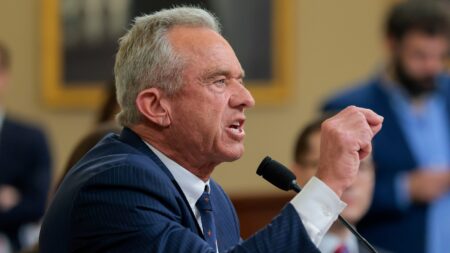
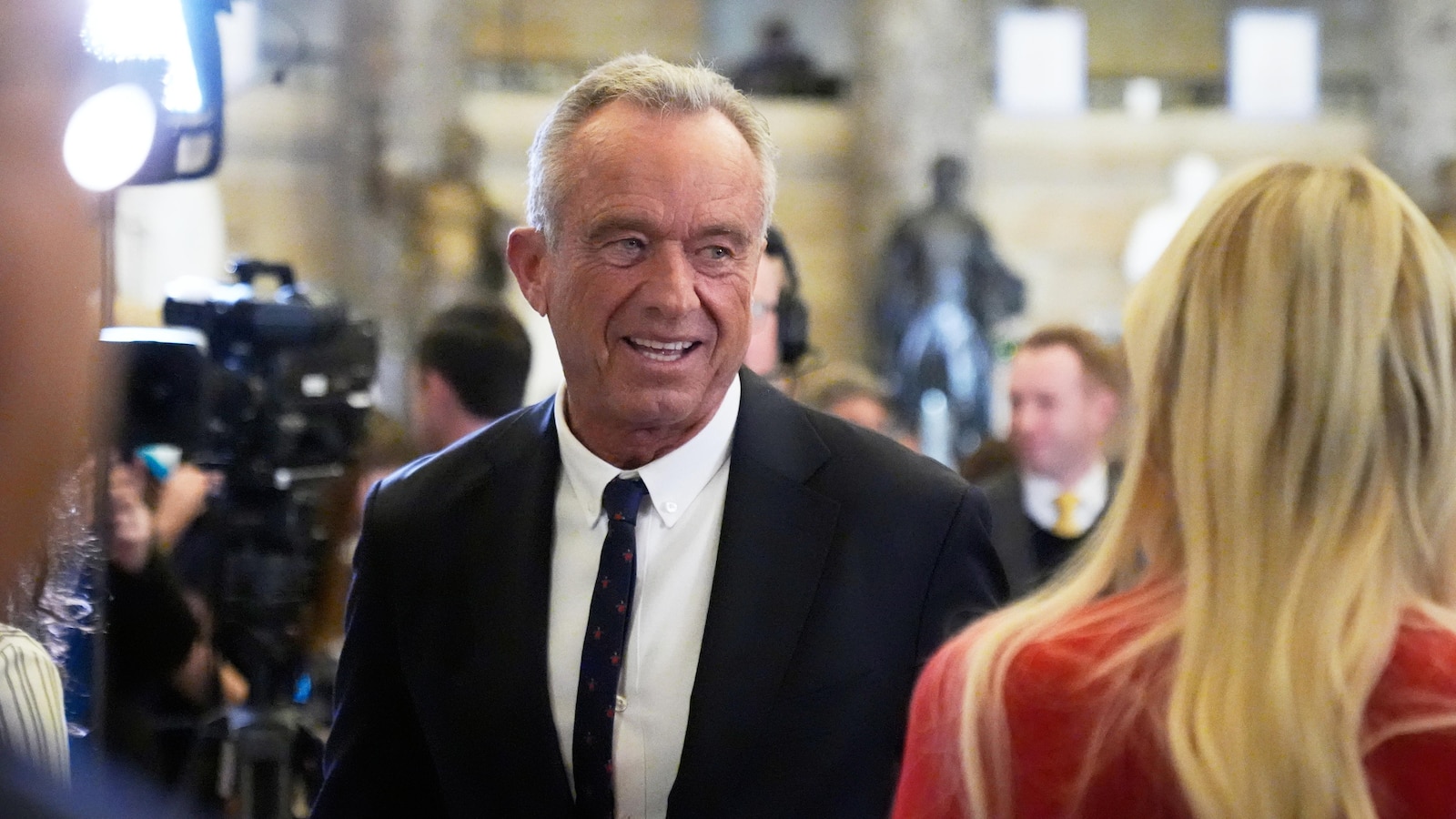
Robert F. Kennedy Jr., now serving as the nation’s health secretary in the Trump administration, has been making waves with his emphatic declarations about the power of diet to transform health. His simple message—”eat real food”—has resonated with many Americans concerned about the state of public health. However, Kennedy has taken his advocacy far beyond encouraging healthier eating habits. In recent public appearances, including speeches and popular podcast interviews, he has made startling claims that dietary changes can “cure” serious conditions like schizophrenia and diabetes, and even allow people to eliminate diagnoses of bipolar disorder. These assertions have sparked a heated debate in the medical community, with researchers and healthcare professionals warning that while diet undeniably plays an important role in health, Kennedy’s statements significantly overstate what current scientific evidence actually supports. His comments reflect a larger tension in American healthcare: how do we appropriately emphasize the importance of nutrition without misleading vulnerable patients about what dietary changes can realistically accomplish?
The “Food is Medicine” Movement and Its Bipartisan Appeal
Kennedy’s message taps into a growing recognition across the political spectrum that American healthcare has undervalued the role of nutrition in preventing and managing disease. His “Make America Healthy Again” initiative has garnered unexpected bipartisan support, largely because the core idea resonates with common sense and emerging research. Scientists universally agree that what we eat profoundly affects our health—poor diet contributes to numerous chronic diseases, and improved nutrition can be a powerful tool in treatment. The “food is medicine” concept has legitimate backing from researchers who have documented how dietary interventions can reduce inflammation, improve metabolic health, and even influence brain function. This isn’t pseudoscience; it’s an area of genuine scientific interest that deserves greater attention and funding. However, public health advocates are increasingly concerned that Kennedy’s approach involves cherry-picking research findings and misrepresenting their significance, a pattern they say mirrors his controversial track record with vaccine science, which has previously drawn fierce criticism from medical professionals. The worry is that legitimate interest in nutritional health is being undermined by exaggerated claims that could ultimately harm the very people Kennedy purports to help.
The Schizophrenia Claims: Misrepresenting Promising Research
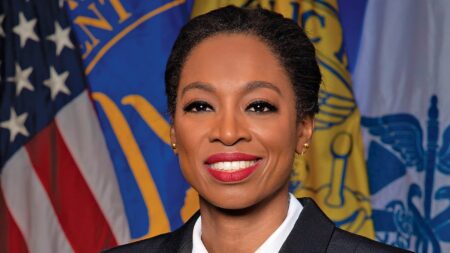
During a speech at the Tennessee Capitol, Kennedy cited the work of Dr. Christopher Palmer, a respected researcher at Harvard Medical School, claiming that Palmer had “cured schizophrenia using keto diets.” This statement referred to Palmer’s 2019 publication documenting two patients with schizophrenia who experienced remission of symptoms after adopting a high-fat, low-carbohydrate ketogenic diet. The problem? Palmer himself has publicly stated that Kennedy’s characterization is inaccurate. In his response to the Associated Press, Palmer emphasized the critical importance of precise language in medicine: “As much as I wish we had cures for mental illness or other chronic diseases, it is important that we use more precise language.” He prefers the term “remission” rather than “cure”—a distinction that matters enormously to patients and their families. Palmer is genuinely enthusiastic about the potential of dietary interventions for serious psychiatric disorders and notes that approximately 20 controlled clinical trials investigating ketogenic diets for severe mental illness are currently underway, with results from two trials expected within the year. However, he strongly cautions patients against abandoning their medications or attempting dietary treatments without medical supervision. Dr. Theresa Miskimen Rivera, president of the American Psychiatric Association, echoes these concerns, pointing out that existing studies have been small, anecdotal, or pilot studies, often lacking control groups. “At this point, it’s premature,” Rivera stated. “We cannot draw definitive conclusions.”
Bipolar Disorder and the Problem of Premature Announcements
Kennedy’s claims about bipolar disorder follow a similar pattern of overstating preliminary findings. In multiple public appearances, including on Joe Rogan’s popular podcast, Kennedy referenced studies “where people lose their bipolar diagnosis by changing their diet” and promised that “there’s a big paper about to come out” demonstrating these results. When questioned about these statements, Kennedy’s spokesman pointed to a “growing body of research,” specifically citing a UCLA study examining the effects of a ketogenic diet on teenagers with bipolar disorder. The problem is immediately apparent: according to federal records, this study is still actively recruiting participants and won’t be completed until March 2027—over two years away. Any published results would come months after that completion date. Kennedy was essentially promoting findings from a study that hasn’t even finished collecting data, let alone analyzed results or undergone peer review. This kind of premature announcement is particularly concerning because it can raise false hopes among vulnerable populations desperate for relief from debilitating conditions. Dr. Rivera emphasizes that there simply isn’t enough evidence to recommend any specific diet as a standalone treatment, without medication such as antipsychotics or mood stabilizers, for conditions like bipolar disorder or schizophrenia.
The Diabetes Debate: Nuance Matters in Medical Claims
Kennedy’s assertion on comedian Theo Von’s podcast that “most diabetes can be cured through diet” has also come under scrutiny, though expert opinions on this claim are somewhat more divided. Dr. Willa Hsueh, an endocrinologist and researcher at Ohio State University, clarifies important distinctions: Type 1 diabetes, which is an autoimmune disorder, absolutely cannot be cured by diet alone. For Type 2 diabetes, which affects the vast majority of diabetic patients, healthy diet and exercise are indeed crucial management tools. However, Hsueh notes that while it’s possible to reverse Type 2 diabetes through lifestyle changes alone, “it’s not common for people to cure themselves…by diet alone.” The reality is that sustaining the dramatic lifestyle changes necessary to reverse Type 2 diabetes is extremely difficult for most people, and many require medication alongside dietary modifications. On the other hand, Dr. Dariush Mozaffarian, a cardiologist who directs the Food is Medicine Institute at Tufts University, offers a somewhat more supportive perspective. He argues that a healthy diet could help “most individuals” with Type 2 diabetes lower blood sugar levels, reverse symptoms, and potentially stop taking medications. He acknowledges that Kennedy isn’t “always perfectly precise in the terminology and there could be risks to that,” but welcomes the high-level attention on diet’s role in chronic disease. Mozaffarian’s pragmatic view is revealing: “I’d rather exaggerate and get some attention and action than keep doing what we’re doing, which is have millions of Americans suffering from diet-related diseases.”
The Real-World Consequences: Balancing Hope and Responsibility
This debate isn’t merely academic—it has profound implications for real people living with serious health conditions. Kody Green, a mental health advocate who has schizophrenia, articulates the danger clearly: while he supports healthy eating, he needs psychiatric medications to function, and he worries that Kennedy’s comments could discourage people in his community from trying drugs that already face significant stigma. “For some people, maybe food can help with the issues they have, but schizophrenia is a very serious mental illness,” Green explained. “Until further research is done, making claims like that can be really dangerous to people in my community.” This perspective highlights the central tension: how do we encourage greater attention to nutrition’s role in health without creating unrealistic expectations that lead vulnerable patients to abandon proven treatments? Kayla Hancock, director of a public health project at the advocacy group Protect Our Care, characterizes Kennedy’s pattern as “incredibly careless and irresponsible.” The concern is that people desperately hoping for relief might interpret Kennedy’s claims as permission to stop taking necessary medications and rely solely on dietary changes—a potentially life-threatening decision. Dr. Palmer’s urgent plea—”Please do not stop your medications on your own”—reflects the medical community’s alarm. Meanwhile, Mark Gorton, president of the Kennedy-aligned MAHA Institute, defends the broader mission, arguing that nutrition has been “an incredibly overlooked area in our medical system for decades” and that prioritizing diet over perpetual medication represents a worthy goal. The challenge facing American healthcare is finding the responsible middle ground: acknowledging nutrition’s genuine importance while maintaining scientific accuracy and protecting patients from harm. Kennedy’s position as health secretary gives his words enormous weight and reach, making precision and honesty more critical than ever.