


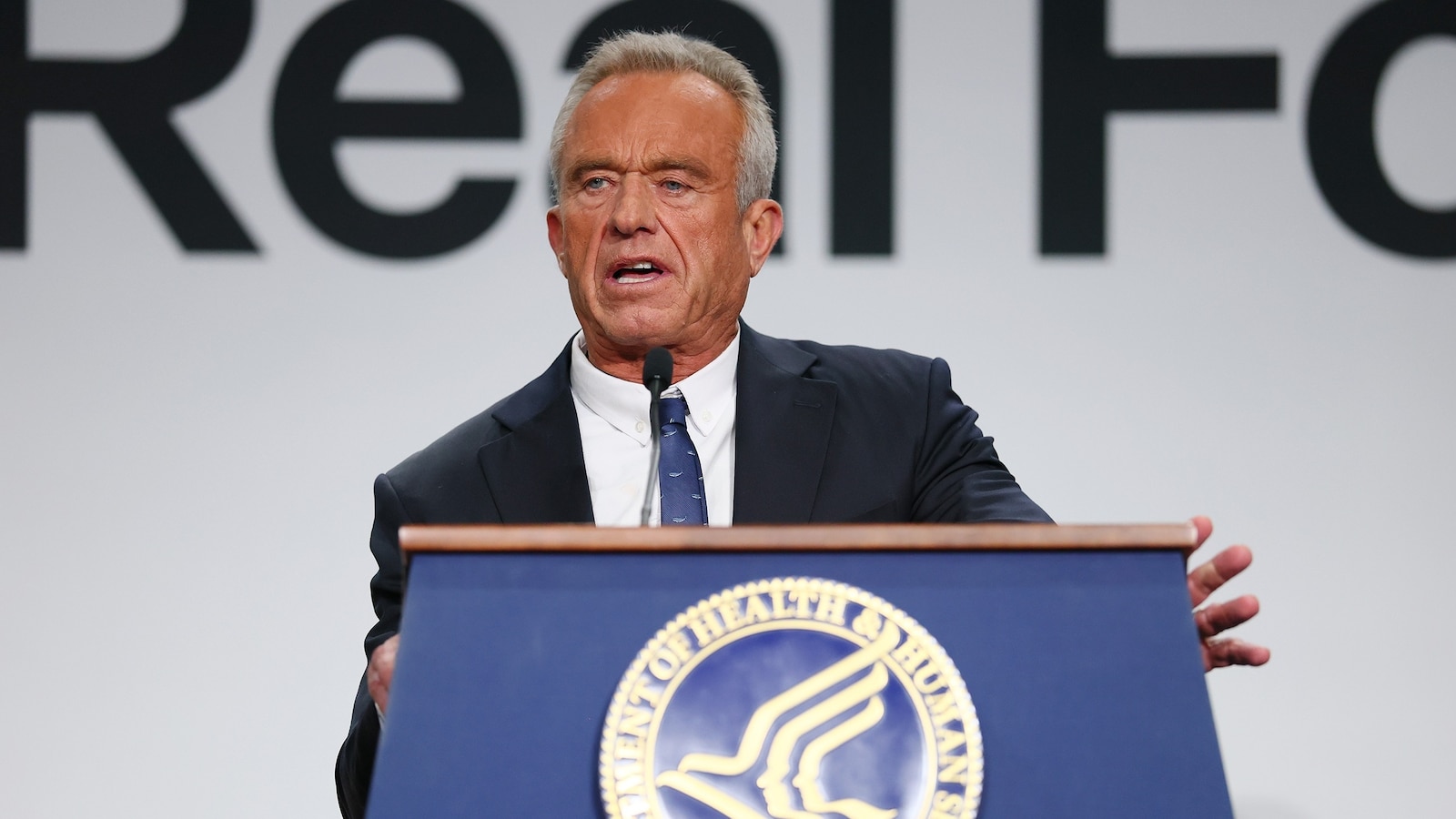

RFK Jr. Pledges Action on Ultra-Processed Food Ingredients Review
A Long-Overdue Safety Assessment
Health Secretary Robert F. Kennedy Jr. has committed to taking action on a critical petition that could reshape how Americans think about the foods lining grocery store shelves. The petition, filed by former FDA Commissioner Dr. David Kessler, calls for a comprehensive safety review of ingredients commonly found in ultra-processed foods—items that have become staples in the American diet over the past several decades. Speaking on CBS News’ “60 Minutes,” Kennedy emphasized that the questions raised in this petition are ones the Food and Drug Administration should have been asking “a long, long time ago.” The petition specifically targets processed refined carbohydrates, including corn syrup, high fructose corn syrup, and refined flours—ingredients that researchers have increasingly linked to serious health problems such as high blood pressure, elevated triglycerides, and the accumulation of dangerous abdominal fat. According to Kessler’s petition, the current classification of these ingredients as “generally recognized as safe” (GRAS) relies on outdated scientific data that no longer reflects our modern understanding of nutrition and metabolic health. While Kennedy stopped short of providing specific details about the agency’s response timeline or exact actions, his public commitment signals a potentially significant shift in how the federal government approaches food safety and the regulation of ingredients that millions of Americans consume daily without a second thought.
Understanding the GRAS Loophole and Its Implications
At the heart of this controversy lies the GRAS designation—a regulatory framework that determines which ingredients can be added to foods without extensive pre-market review by the FDA. For a substance to earn GRAS status, publicly available data must demonstrate its safety, and qualified experts must generally agree that it poses no significant health risks to consumers. Common ingredients like canola oil, vinegar, and everyday spices such as black pepper fall under this category. However, Kennedy and other critics argue that this system has been “hijacked” by food manufacturers who can independently determine whether their additives meet FDA safety standards, essentially allowing the industry to police itself. This self-certification process has raised concerns about conflicts of interest and whether profit motives might overshadow genuine safety considerations. The FDA is technically required to respond to citizen petitions within 180 days, a deadline that has already passed in this case. Last week, the agency issued an “interim response” acknowledging that it has not yet “reached a complete final decision” on Kessler’s petition, leaving the matter in limbo while Americans continue consuming these controversial ingredients in massive quantities. The debate highlights a fundamental tension in food regulation: balancing innovation and industry flexibility against the government’s responsibility to protect public health, especially when new scientific evidence emerges that challenges long-held assumptions about ingredient safety.
The Health Crisis Fueling the Review
Dr. David Kessler painted a stark picture of the health consequences Americans have faced over the past four decades, describing a fundamental mismatch between human biology and modern food production. “Over the last 40 years, the United States has been exposed to something that our biology was never intended to handle,” Kessler explained during his “60 Minutes” interview. He characterized ultra-processed foods as “energy-dense, highly palatable, rapidly absorbable” products that have fundamentally “altered our metabolism” and contributed to “the greatest increase in chronic disease in our history.” The litany of health problems he attributes to these dietary changes reads like a medical textbook: Type 2 diabetes, pre-diabetes, hypertension, abnormal lipid profiles, fatty liver disease, heart attacks, strokes, and heart failure. This isn’t merely theoretical concern—scientific research has increasingly supported these connections. A 2021 collaborative study between the Centers for Disease Control and Prevention and the University of São Paolo in Brazil found that people who consumed more calories from ultra-processed foods scored lower on tests measuring cardiovascular health. Kennedy has been particularly vocal about what he sees as a systematic failure to protect American children, claiming at a 2024 health roundtable led by Senator Ron Johnson that “hundreds of these chemicals are now banned in Europe, but they’re ubiquitous in American processed foods.” His assessment was blunt: “We are literally poisoning our children systematically for profit.” These statements reflect growing frustration among health advocates who see a clear disconnect between what science suggests about these ingredients and how they’re regulated in practice.
New Dietary Guidelines Signal Policy Shift
Kennedy’s commitment to act on the petition comes on the heels of significant changes to federal dietary guidance that suggest a broader policy shift toward confronting ultra-processed foods. Last month, the Health Secretary announced updated dietary guidelines that, for the first time, explicitly warned Americans against certain highly processed foods. The new guidelines encourage people to limit consumption of highly processed items and reduce intake of refined carbohydrates—recommendations that align perfectly with the concerns raised in Kessler’s petition. The updated guidance specifically suggests avoiding “packaged, prepared, ready-to-eat, or other foods that are salty or sweet” along with “sugar-sweetened beverages, such as soda, fruit drinks, and energy drinks.” This represents a notable departure from previous dietary guidelines, which tended to focus more on nutrients and food groups rather than calling out specific categories of processed products. During a White House press conference announcing these changes, Kennedy declared with characteristic boldness that “these new guidelines will revolutionize our nation’s food culture and make America healthier again.” The language intentionally echoes political slogans while framing public health as a matter of national restoration and renewal. Whether these guidelines will truly revolutionize American eating habits remains to be seen, but they certainly signal that the government is willing to be more direct in its messaging about which foods pose health risks. The combination of updated dietary guidance and promised action on ingredient safety reviews suggests a coordinated approach to addressing what Kennedy and his allies view as a public health emergency hidden in plain sight on supermarket shelves across the country.
Balancing Information and Regulation
Despite his strong rhetoric about the dangers of ultra-processed foods, Kennedy was careful during his “60 Minutes” interview to clarify the limits of government action. “I’m not saying that we’re going to regulate ultra-processed food,” he stated, drawing a distinction between outright prohibition and informed consumer choice. Instead, Kennedy framed the government’s role more modestly: “Our job is to make sure that everybody understands what they’re getting, to have an informed public.” This approach reflects a political calculation that balances public health concerns against American values of personal freedom and skepticism of government overreach. Rather than banning controversial ingredients or heavily restricting their use, Kennedy appears to be betting that transparency and education will empower consumers to make healthier choices on their own. This strategy has both advantages and limitations. On one hand, it respects individual autonomy and avoids the political backlash that often accompanies prohibitionist policies. An informed public can vote with their wallets, potentially creating market pressure for food companies to reformulate products with healthier ingredients. On the other hand, critics of this approach argue that information alone is insufficient when dealing with products specifically engineered to be “highly palatable” and difficult to resist, especially for children and vulnerable populations. The emphasis on consumer education also places the burden of navigating a complex food environment on individuals rather than on the regulatory system designed to protect them. Kennedy mentioned having presidential support for taking on the food industry, suggesting high-level backing for this initiative, but the ultimate test will be whether informational approaches can meaningfully shift consumption patterns and health outcomes in a food landscape dominated by corporate marketing budgets that dwarf government public health messaging.
The Road Ahead for Food Safety Reform
The coming months will reveal whether Kennedy’s promises translate into substantive policy changes or merely add to the long history of unfulfilled health reform rhetoric. The FDA’s delayed response to Kessler’s petition—now well past the 180-day deadline—demonstrates the bureaucratic inertia that health reformers face when challenging established industry practices. The interim response issued last week essentially bought the agency more time without committing to any specific course of action, leaving both advocates and industry stakeholders uncertain about what comes next. If the FDA does ultimately grant Kessler’s petition and undertake a comprehensive safety review of refined carbohydrates and sweeteners, the implications could be far-reaching. Such a review might result in stricter labeling requirements, concentration limits, or even the revocation of GRAS status for certain ingredients—outcomes that would fundamentally reshape the processed food industry. Food manufacturers would likely mount vigorous opposition to any changes that threaten profitable product formulations, arguing that these ingredients have been safely consumed for decades and that restriction would increase food costs for consumers. The scientific community would be drawn into debates about causation versus correlation, the quality of available evidence, and what standards should govern food safety in an era of rising chronic disease. Public health advocates, meanwhile, will be watching closely to see whether Kennedy’s commitment to action survives the political and economic pressures that have historically protected ultra-processed food ingredients from serious regulatory scrutiny. The outcome of this petition could set precedents for how the government balances innovation, consumer choice, industry interests, and public health in food regulation for years to come, making it one of the most consequential food policy decisions in recent American history.