
Russia Shows No Urgency for Peace Deal as Ukraine War Enters Fifth Year
Stalled Negotiations Despite International Pressure
The diplomatic landscape surrounding the war in Ukraine remains frustratingly gridlocked, with Russia making clear on Thursday that it feels no pressure to rush toward a peace agreement. This assertion came just hours after Moscow launched a devastating assault on Ukraine involving hundreds of drones and missiles, underscoring the stark disconnect between diplomatic discussions and the brutal reality on the ground. The timing was particularly significant as American and Ukrainian officials were gathering in Geneva to discuss potential pathways to end the conflict. President Trump, who has made ending this war a priority, describing it as Europe’s deadliest confrontation since World War II, has yet to achieve any breakthrough in bringing Moscow and Kyiv to a mutually acceptable agreement. Despite multiple rounds of negotiations held in both Geneva and Abu Dhabi, with American leadership attempting to bridge the gap between the warring parties, a fundamental impasse remains firmly in place. The core issue preventing any progress centers on Moscow’s unwavering demand for formal control over massive swaths of Ukrainian territory, a demand that Kyiv has consistently and firmly rejected as unacceptable.
Russia’s Uncompromising Position on Territory
Russian officials demonstrated their lack of urgency with remarkably blunt statements to the media. Foreign Minister Sergey Lavrov, speaking to state-controlled media outlets in Moscow, dismissed questions about timelines entirely, asking rhetorically whether anyone had heard Russia discussing deadlines. “We have no deadlines, we have tasks. We are getting them done,” he stated matter-of-factly, his words coming just two days into the fifth year of Russia’s full-scale invasion of its neighbor. This language reveals Moscow’s strategic approach—they view this not as a negotiation between equals requiring compromise, but rather as a set of objectives to be accomplished on their own timeline. Kremlin spokesman Dmitry Peskov echoed this sentiment, telling reporters it would be premature and indeed “a big mistake” to attempt defining what stage the peace process had reached or to make predictions about future progress. The Russian position has remained remarkably consistent throughout the conflict: complete control of Ukraine’s eastern Donetsk region, which forms a substantial part of the industrial Donbas area that has seen the fiercest fighting throughout the war. Moscow has made clear it will not soften this demand and has repeatedly threatened to simply take the territory by military force if Ukraine refuses to surrender it at the negotiating table.
Ukraine Pushes for High-Level Summit
In contrast to Russia’s apparent comfort with the status quo, Ukraine has been actively pushing for progress through diplomatic channels, specifically calling for a direct meeting between presidents Vladimir Putin and Volodymyr Zelenskyy to break through the current stalemate. Ukrainian officials view the Geneva talks with American representatives as an essential preparatory step toward making such a high-level summit possible. Rustem Umerov, Ukraine’s lead negotiator, confirmed that bilateral meetings with the American delegation had begun, specifically noting the presence of Steve Witkoff and Jared Kushner, both key figures in President Trump’s administration. Umerov explained that Ukraine’s primary objective for these discussions was to “synchronize positions” with Washington before anticipated trilateral negotiations scheduled for March. This diplomatic maneuvering reflects Ukraine’s understanding that American support and alignment are crucial to any successful negotiation with Russia. Meanwhile, Russian negotiator Kirill Dmitriev was also reportedly in Geneva on Thursday, though significantly, there were no indications he planned to meet directly with Ukrainian representatives. According to Russian state media citing unnamed sources, Dmitriev’s purpose in Geneva was specifically to pursue negotiations with Americans on economic matters, suggesting that even when Russian and Ukrainian negotiators are in the same city, they remain worlds apart in their willingness to engage directly.
The Core Territorial Dispute
The fundamental obstacle preventing any diplomatic breakthrough remains the fate of the Donbas region, the heavily industrialized area in eastern Ukraine that has been the epicenter of fighting since Russia’s initial intervention in 2014 and throughout the current full-scale invasion that began in 2022. Russia’s insistence on obtaining complete control of the Donetsk region, which comprises a significant portion of the Donbas, represents a non-negotiable demand from Moscow’s perspective. For Ukraine, however, surrendering this territory is equally non-negotiable, not only because it would mean abandoning Ukrainian citizens and productive industrial land to occupation, but also because doing so without ironclad security guarantees would simply invite future Russian aggression. President Zelenskyy has been clear and consistent in rejecting any notion that Ukraine should reward Russian aggression with territorial concessions. In a social media post on Thursday, he reiterated this principle emphatically: “The aggressor must not receive any reward for the war.” He continued, emphasizing that for peace to have any lasting meaning, “everyone must understand—these are not just words.” This statement reflects the deep Ukrainian concern that any agreement reached under current circumstances, without proper security guarantees, would simply give Russia time to regroup before launching another invasion to seize additional territory.
Continued Violence as Diplomacy Falters
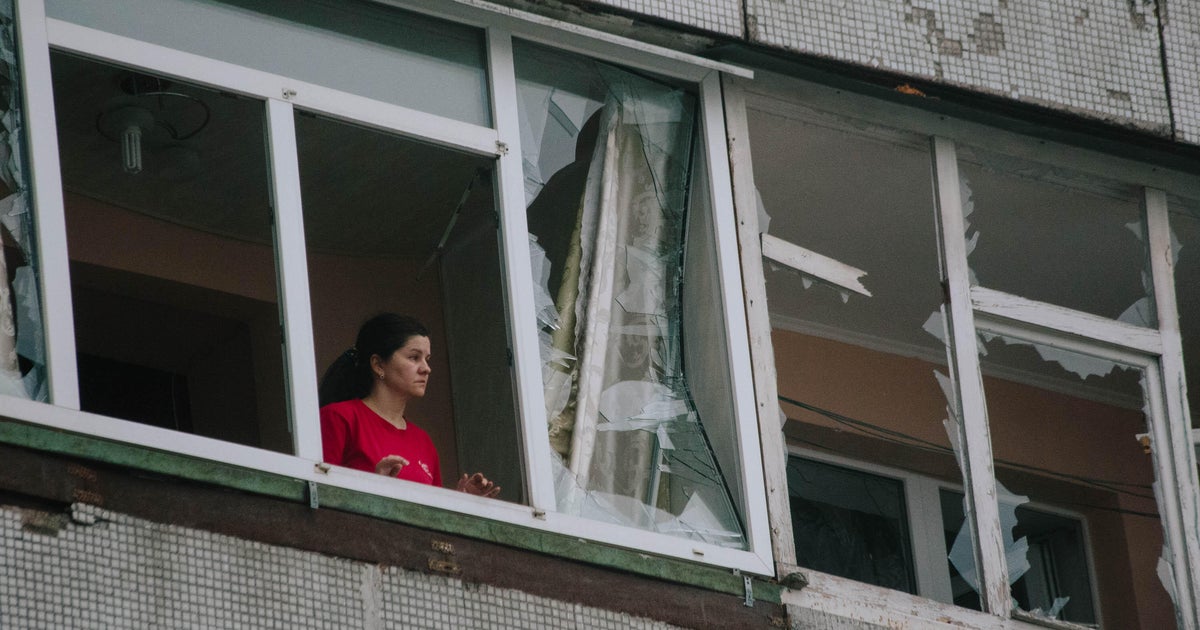
The gap between diplomatic discussions and battlefield reality was brutally illustrated in the hours before the Geneva meeting, when Russian forces launched a massive assault on Ukraine involving approximately 420 drones and 39 missiles targeting multiple regions across the country. This barrage wounded more than two dozen people across at least six different regions, according to Ukrainian authorities, with journalists from AFP reporting multiple explosions heard in central Kyiv shortly after air raid sirens warned of incoming attacks. The strikes demonstrated both the scope and strategic calculation of Russia’s ongoing military campaign, hitting an electricity substation in the southern Odesa region that supplies power to civilian populations, as well as a school building in the Zaporizhzhia region. President Zelenskyy reported that destruction had been recorded across eight regions, with extensive damage to both private homes and apartment buildings where ordinary Ukrainians live. These attacks serve multiple Russian purposes—they maintain pressure on Ukrainian civilian infrastructure and morale, they demonstrate Moscow’s continued military capability and willingness to use it, and they provide leverage in negotiations by showing what will continue if Ukraine doesn’t accept Russian demands. The targeting of power infrastructure particularly reflects a calculated strategy to make civilian life increasingly difficult as winter continues, potentially weakening public support for continued resistance.
Cautious Hope for Leadership-Level Talks
Despite the grim military situation and diplomatic deadlock, there are tentative signs that discussions might eventually escalate to the presidential level, which both sides acknowledge would be necessary for any genuine breakthrough. President Zelenskyy spoke with President Trump on Wednesday in a 30-minute call that included U.S. envoys Witkoff and Kushner, ahead of the Geneva talks. Following that conversation, Zelenskyy expressed measured optimism, stating that “we expect this meeting to create an opportunity to move talks to the leaders’ level,” and noting that “President Trump supports this sequence of steps.” This represents a significant evolution in Zelenskyy’s position—earlier in the conflict, he refused to negotiate with Russia at all, but he has increasingly acknowledged that resolving the most difficult issues, particularly territorial questions, will ultimately require direct engagement between himself and Putin. This shift reflects the harsh calculus of a country that has been fighting for survival for five years, recognizing that however distasteful negotiating with an aggressor might be, finding a diplomatic solution is preferable to indefinite war. Whether Putin shares any similar motivation to engage seriously in negotiations remains unclear, as Russian statements continue to suggest Moscow believes time is on its side and that it can achieve its objectives through continued military pressure rather than diplomatic compromise.