


Putin’s Calculated Gamble: Intelligence Chief Warns Russia Is Playing for Time, Not Peace
Russian Leader Still Believes in Military Victory Despite Peace Talks
Nearly four years into the devastating invasion of Ukraine, Russian President Vladimir Putin shows no genuine interest in ending the conflict and believes he can manipulate American negotiators during peace discussions, according to a senior European intelligence official. Kaupo Rosin, who heads Estonia’s foreign intelligence service, delivered this sobering assessment based on intercepted Russian internal communications. His comments came during an online briefing with reporters ahead of Estonia’s annual security report release, painting a picture of a Russian leadership committed to total victory rather than compromise. According to Rosin, Moscow views the ongoing talks with Washington as an opportunity to buy time and gain strategic advantage, not as a pathway to genuine cooperation. The intelligence findings suggest that Russian officials continue to view the United States as their “main enemy,” despite public statements suggesting openness to negotiated settlements. This disconnect between Russia’s public posture and private intentions raises serious questions about the viability of current diplomatic efforts.
The Reality Behind the Diplomatic Smoke Screen
While U.S.-brokered talks between Russian and Ukrainian envoys have been publicly described as “constructive and positive” by officials from both sides, the Estonian intelligence reveals a starkly different picture behind closed doors. Putin, according to Rosin’s analysis of Russian internal discussions, remains convinced that Russia can achieve military victory in Ukraine at some point. This conviction drives Russian behavior at the negotiating table, where officials show little willingness to make meaningful compromises while insisting their demands must be met in full. The White House has pushed back against this assessment, with officials pointing to what they call “tremendous progress” in the talks, including a recent agreement in Abu Dhabi involving the U.S., Ukraine, and Russia to release more than 300 prisoners. These sporadic prisoner exchanges, which have occurred since May, are presented as evidence that efforts to end the war are advancing. However, the gap between these limited humanitarian gestures and substantive progress on core issues like territorial integrity and security guarantees remains vast, suggesting that the diplomatic process may be more theater than genuine negotiation.
Trump’s Deadline Diplomacy and the Competing Narratives
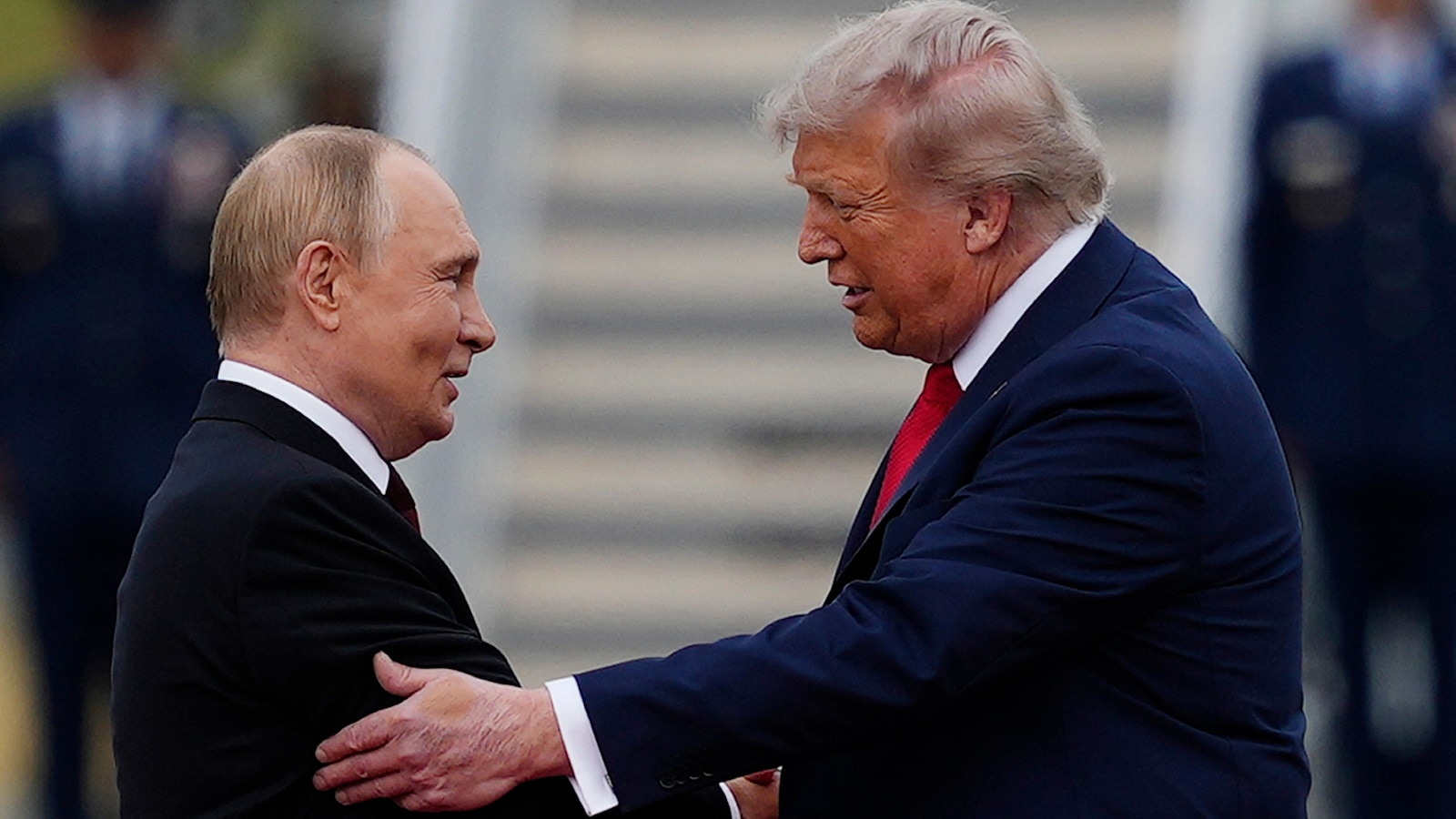
U.S. President Donald Trump appears determined to accelerate peace efforts, with Ukrainian President Volodymyr Zelenskyy revealing that Washington has imposed a June deadline for Ukraine and Russia to reach a settlement. This represents the latest in a series of deadlines Trump has announced over the past year, though previous ultimatums have passed without apparent consequences or enforcement. Fiona Hill, a Russia expert who advised Trump during his first term, offers a compelling explanation for why the Trump administration continues to express optimism about Putin’s intentions despite intelligence suggesting otherwise. Both leaders, she argues, “need their version of events to play out” and are clinging to narratives that serve their political purposes—Putin as the victorious conqueror of Ukraine, and Trump as the master dealmaker who brought peace where others failed. This shared need for a particular storyline may explain why Trump and his officials resist changing their assessment that Putin genuinely wants to end the war, even as Russian bombardments of Ukrainian cities continue unabated. The human cost of this diplomatic dance became tragically clear when Russian glide bombs killed an 11-year-old girl and her mother in the eastern Donetsk region, with seven others injured, including another young child.
The Information Bubble Around Putin and Trump
One of the most troubling aspects of the current situation, according to Estonian intelligence, is that Putin himself may not be receiving accurate information about the situation on the ground in Ukraine. Rosin suggests that the Russian president is “definitely” getting some incorrect information from his officials, who understand that Putin only wants to see success stories. This creates a distorted feedback loop where reports reaching Putin’s desk are “much more optimistic” than reality, with officials sometimes claiming Russian forces have captured Ukrainian settlements when that isn’t true. Interestingly, Rosin noted that not all Russian officials believe they are winning the war—awareness of the dire situation increases “the lower you go in the food chain,” while higher-ranking officials maintain more optimistic views based on the sanitized reports they receive. This hierarchical information distortion means that those closest to the actual fighting understand “how bad it is actually on the ground,” while those making strategic decisions operate in a bubble of wishful thinking. A similar dynamic may be affecting American decision-making, according to Hill, who questions what intelligence information Trump receives about Russia and whether he actually reads it. She points out that Trump relies heavily on his lead negotiators—special envoy Steve Witkoff and son-in-law Jared Kushner—who may struggle to accept that the massive damage to the Russian economy is a price Putin is willing to pay for controlling Ukraine. Hill raised particular concerns about reports that Witkoff has attended meetings with Putin without a U.S. State Department translator, questioning whether Trump’s envoys fully understand what’s being communicated and suggesting they may be “selectively” hearing only what they want to hear.
Putin’s Unshakeable Obsession and What It Means for the Future
According to Rosin’s intelligence assessment, Putin’s fixation on controlling all of Ukraine runs so deep that it takes priority over everything else, including Russia’s economic wellbeing. This obsession suggests that the conflict will continue in some form for several years, regardless of the human and material costs. Putin currently believes he can take Ukraine and “outsmart everybody” in the process, a conviction that will only change if the situation in Russia or on the front lines becomes “catastrophic” enough to threaten his grip on power. For now, that moment appears distant, despite the enormous toll the war has taken on Russian society, economy, and military capabilities. Estonia’s annual security report, while noting that Russia is unlikely to attack NATO this year or next, emphasizes that Moscow remains dangerous as it works to rebuild and expand its armed forces. This military buildup, combined with Putin’s unwavering commitment to his Ukrainian ambitions, suggests that European security will remain precarious for the foreseeable future. The intelligence chief’s assessment paints a picture of a Russian leadership that views negotiations not as a path to compromise but as another battlefield where tactical advantages can be gained through deception and delay.
The Human Cost of Strategic Delusions
As diplomats engage in their careful dance and leaders cling to their preferred narratives, ordinary Ukrainians continue to pay the price in blood. The recent deaths of a mother and her 11-year-old daughter, along with injuries to other children in Russian drone and glide bomb attacks, represent just the latest entries in a horrific ledger of civilian casualties. These attacks, which continue night after night across Ukraine, expose the emptiness of talk about Putin’s supposed desire for peace. The disconnect between diplomatic optimism and battlefield reality raises profound questions about the current approach to ending the war. If Estonian intelligence is correct that Putin sees negotiations primarily as an opportunity to “outsmart” the United States while continuing to pursue military victory, then the current diplomatic framework may be worse than futile—it may be providing Moscow with exactly the time and breathing room it needs to rebuild its forces and plan its next offensive. The challenge for Western policymakers is finding the courage to acknowledge uncomfortable intelligence assessments rather than embracing comforting narratives that align with political needs. Until both Trump and Putin face consequences that force them to abandon their respective delusions—Trump’s vision of himself as peacemaker and Putin’s dream of conquest—the people of Ukraine will continue to endure a war that shows no signs of ending, regardless of how many deadlines are announced or how many optimistic statements are issued after talks that produce no substantive progress.