


Deadly Military Plane Crash in Crimea Claims 29 Lives
Tragic Incident Over the Crimean Peninsula
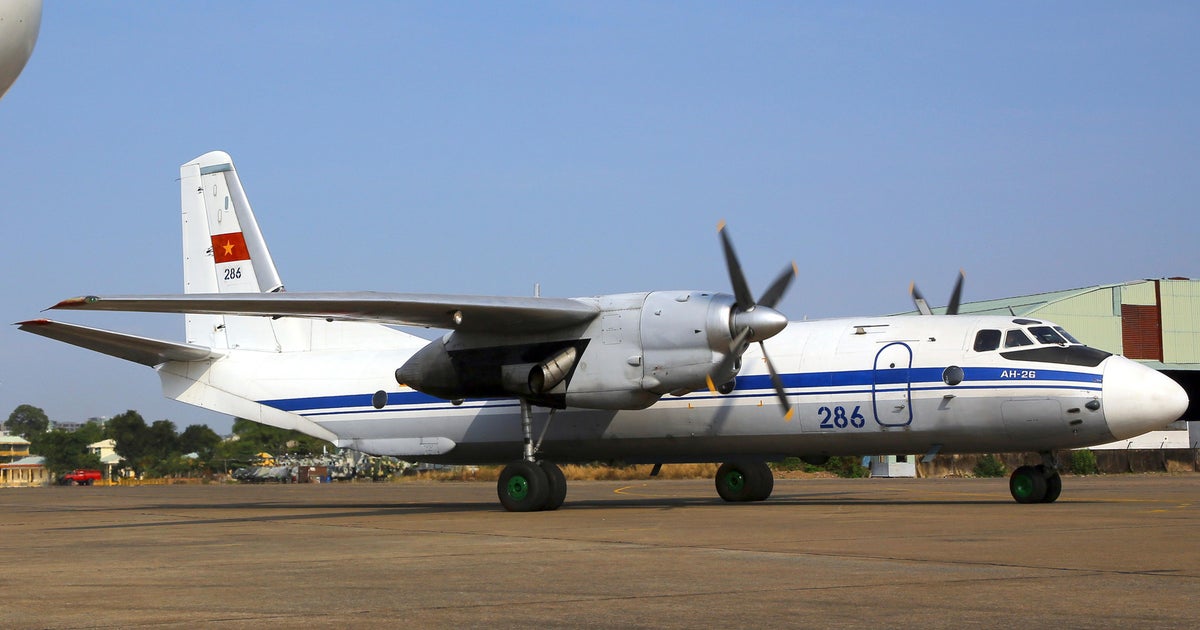
In the early morning hours of Wednesday, devastating news emerged from the Crimean Peninsula as a Russian military transport aircraft crashed, resulting in a catastrophic loss of life. The An-26 military transport plane, a Soviet-era turboprop aircraft that has been a workhorse of Russian military aviation for decades, was conducting what was described as a routine scheduled flight over the region when disaster struck. According to reports from Russian state news agencies, citing the Defense Ministry, the aircraft was carrying a total of thirty people – seven crew members and twenty-three passengers. The plane suddenly disappeared from radar around 6 p.m. local time on Tuesday evening, prompting immediate concern from military officials who lost all communication with the aircraft. Search teams were quickly dispatched to locate the missing plane, and what they discovered painted a grim picture of the tragedy that had unfolded. The aircraft had crashed into a cliff in a mountainous, heavily forested area of the Bakhchisarai district, making rescue and recovery efforts extremely challenging. Initial reports confirmed that twenty-nine people perished in the crash – six crew members and all twenty-three passengers – though there remained some confusion in official statements about whether one crew member might have survived the impact.
Investigation Launches Into Cause of Crash
Russia’s Investigative Committee, the country’s primary federal investigative body, immediately launched a criminal investigation into the circumstances surrounding the crash, focusing particularly on potential violations of flight regulations and safety protocols. The challenging terrain where the aircraft went down – a mountainous forested region – has complicated both the investigation and recovery operations, with search teams working through difficult conditions to locate and retrieve the aircraft’s black boxes and other evidence that might explain what went wrong. The Defense Ministry, through statements carried by the Interfax news agency, suggested that early indications point toward a technical malfunction as the likely culprit behind the disaster. Significantly, military officials were quick to emphasize that there was no evidence of “damaging interference” with the aircraft, essentially ruling out the possibility that the plane had been shot down or sabotaged. This distinction is particularly important given the ongoing military tensions in the region and the fact that Crimea remains a contested territory. The An-26 aircraft involved in the crash is a twin-turboprop design that first entered service with the Soviet military in the 1960s, and while many of these planes have been modernized over the decades, they are undeniably aging aircraft that require meticulous maintenance to remain airworthy. The investigation will likely examine maintenance records, flight crew qualifications, weather conditions, and the aircraft’s mechanical condition leading up to the fatal flight.
The Contested Territory of Crimea
The crash occurred over Crimea, a peninsula that remains at the heart of international controversy and geopolitical tensions. Russia forcibly annexed Crimea from Ukraine in 2014 following a disputed referendum that most of the international community refused to recognize as legitimate. Since that annexation, Russia has administered the territory as part of the Russian Federation, establishing military bases, infrastructure, and a significant military presence on the strategic Black Sea peninsula. The international community, including the United States, European Union, and most United Nations member states, continues to recognize Crimea as Ukrainian territory under illegal Russian occupation. This disputed status adds layers of complexity to any incident occurring in the region, as questions of jurisdiction, international law, and sovereignty intersect with the human tragedy of the crash itself. The military flight that ended in disaster was part of Russia’s continued operation of the peninsula as Russian territory, with regular military transport flights moving personnel and supplies throughout the region. The loss of nearly thirty lives in this single incident represents a significant blow to Russian military operations in the area and highlights the inherent risks faced by military personnel serving in the region, whether from operational accidents, aging equipment, or the general hazards of military aviation.
A Troubling Pattern of Military Aviation Accidents
This latest crash is far from an isolated incident but rather part of a disturbing pattern of military aviation accidents that have plagued Russian forces, with the frequency of such disasters notably increasing since Russia’s full-scale invasion of Ukraine began in February 2022. The increased operational tempo of military flights, combined with aging aircraft fleets, maintenance challenges, and the pressures of wartime operations, have all contributed to what appears to be a significant aviation safety crisis within the Russian military. In December of the previous year, another military transport plane, an An-22, crashed in Russia’s Ivanovo region, killing all seven crew members aboard. Just two months before that October incident, a MiG-31 fighter jet went down in the Lipetsk region, while in April 2025, a Tu-22M3 strategic bomber crashed in Siberia’s remote Irkutsk region. The pattern continued into 2024 as well, with a military transport plane carrying fifteen people crashing during takeoff from an air base in western Russia in March of that year. That particular incident occurred just weeks after another aircraft of the same type had crashed near the Ukrainian border, raising serious questions about fleet-wide safety issues with certain aircraft models.
Perhaps most controversially, in January 2024, Russia claimed that Ukraine had shot down an Il-76 transport plane that Moscow alleged was carrying Ukrainian prisoners of war near the shared border between the two countries. However, a U.S. official told CBS News at the time that there were no immediate indications that any missile fired from Ukraine had actually struck the aircraft, and significant uncertainty remained about whether there were actually Ukrainian POWs aboard, casting doubt on Russia’s version of events. One of the most devastating incidents in this series of crashes occurred in October 2022, when a Su-34 fighter-bomber crashed directly into a residential area in Yeysk, a Russian city located on the Sea of Azov. That accident sparked a massive fire that tore through an apartment building, killing fifteen civilians and causing widespread destruction in the neighborhood. The incident highlighted how military aviation accidents can have tragic consequences not just for military personnel but for civilian populations living near flight paths and military installations.
The Human Cost and Questions About Military Readiness
Behind the statistics and technical details of each crash lie profound human tragedies – families torn apart, military units losing trained personnel, and communities mourning the sudden loss of loved ones. Each of the twenty-nine people aboard the An-26 that crashed in Crimea had families, friends, dreams, and futures that were cut short in an instant. The crew members were experienced aviators who had dedicated their careers to military service, while the passengers were likely military personnel, contractors, or others supporting Russian operations in the region. For their families, the waiting for official confirmation, the shock of the news, and the long process of grief that follows will be devastating experiences that extend far beyond the immediate headlines about the crash. These repeated accidents also raise serious questions about the state of readiness and capability of the Russian military, particularly its aviation forces. Modern military effectiveness depends heavily on reliable, safe, and well-maintained aviation assets, and the frequency of crashes suggests systemic problems that go beyond simple bad luck or isolated incidents.
Broader Implications and the Need for Accountability
The recurring nature of these aviation disasters points to potential issues with maintenance standards, training protocols, aircraft modernization programs, or the sustainability of high operational tempos over extended periods. Military aviation is inherently dangerous, even under the best circumstances, with high-performance aircraft operating in challenging conditions and executing complex missions. However, the rate of accidents in Russian military aviation appears to exceed what would be considered normal even accounting for these inherent risks. Some defense analysts have suggested that international sanctions imposed on Russia following its actions in Ukraine may have made it more difficult to obtain spare parts, maintenance equipment, and technical expertise needed to keep aging Soviet-era aircraft airworthy. Others point to possible resource allocation issues, with funding potentially being directed toward new weapons systems and combat operations rather than the less glamorous but essential work of fleet maintenance and safety improvements. Whatever the underlying causes, each crash represents not just a tactical loss for the Russian military but a strategic indication of deeper institutional challenges. As investigations into this latest Crimea crash continue, the findings will be closely watched by both domestic audiences within Russia concerned about military safety and international observers seeking to assess the true state of Russian military capabilities. The families of the twenty-nine victims deserve answers about what went wrong and assurances that meaningful steps will be taken to prevent future tragedies, though whether such accountability will be forthcoming remains an open question in Russia’s often opaque military system.