


Ukraine Faces Devastating Russian Strikes as Peace Talks Continue
Deadly Night of Bombardment Claims Innocent Lives
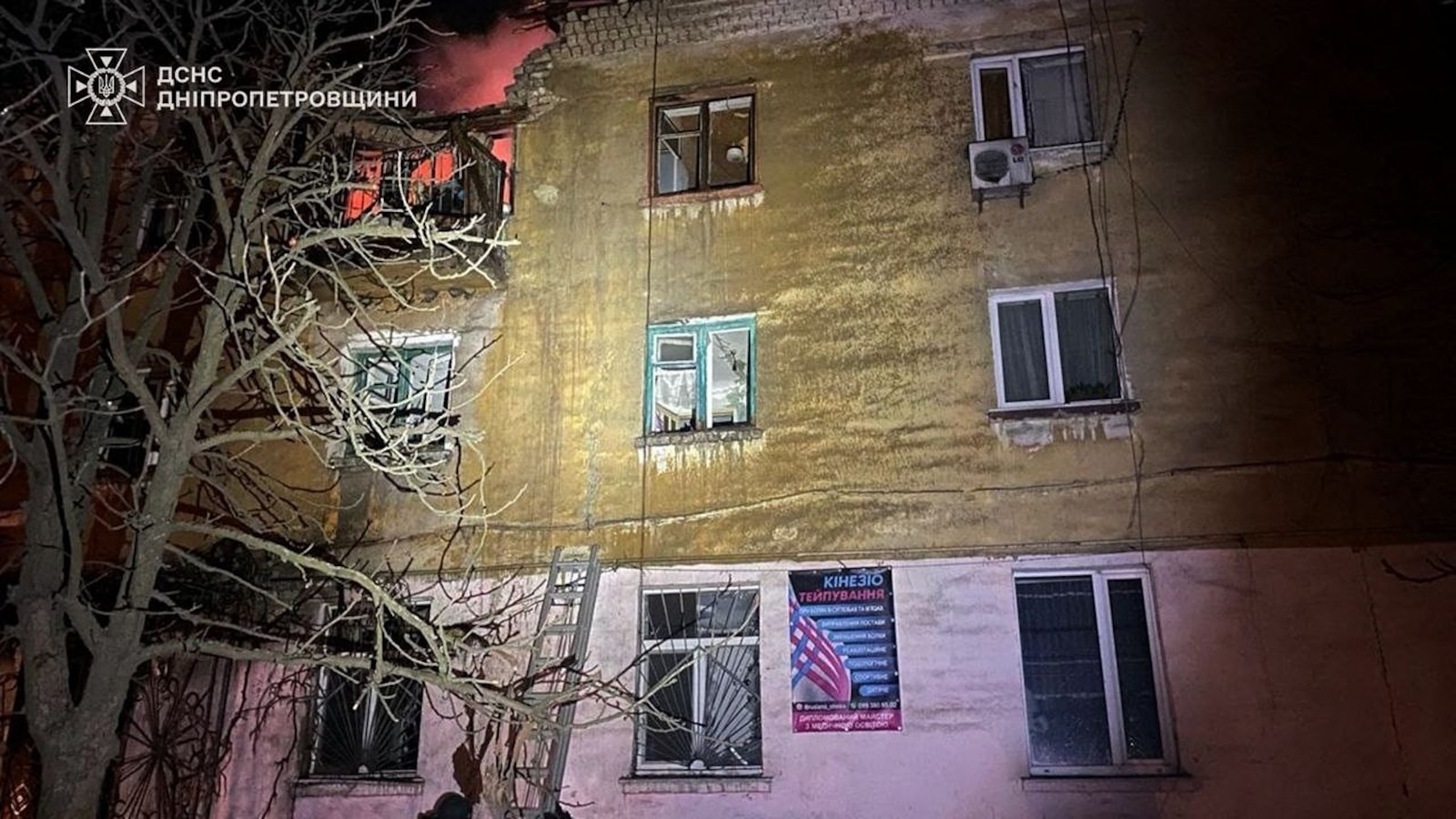
In the early hours of Monday morning, Ukraine awoke to another tragic toll from Russia’s relentless aerial assault campaign. The overnight strikes, which have become a grim nightly ritual for Ukrainian civilians, claimed at least three lives and left multiple others injured across the country. Among the victims was a 10-year-old child in the town of Bogodukhiv, whose life was cut short when a Russian drone struck the area approximately 35 miles northwest of Kharkiv. The boy died alongside a woman, while three others sustained injuries in the attack. The human cost of this particular night of warfare underscores the indiscriminate nature of the conflict that continues to terrorize Ukrainian families. In the southern port city of Odesa, another drone attack killed one person and injured two more, while in the Dnipropetrovsk region’s residential area of Shakhtarsk, nine people were wounded. These strikes represent just one night in an ongoing campaign of terror that has left Ukrainian civilians living in constant fear, never knowing if they’ll wake to the sound of air raid sirens or if their homes will become the next target of Russian aggression.
Massive Scale of Aerial Warfare
The sheer scale of Russia’s aerial bombardment on this particular night reveals the intensity of the conflict. Ukraine’s air force reported that Russian forces launched an astounding 149 drones and 11 ballistic missiles into Ukrainian territory from Sunday evening through Monday morning. Ukrainian air defenses managed to shoot down or suppress 116 of these drones along with an undetermined number of missiles, demonstrating both the capability of Ukraine’s air defense systems and the overwhelming volume of attacks they must counter each night. Despite these defensive successes, 23 drones and several missiles found their targets, creating impacts across 15 different locations throughout the country. This pattern of nightly bombardment has become exhausting for Ukrainian defenders and civilians alike, stretching air defense resources to their limits and forcing families to spend countless nights in shelters. The campaign has also targeted Ukraine’s critical infrastructure, particularly its energy sector, leaving many Ukrainians without power, heating, and water during what has been described as one of the harshest winters in decades. The psychological toll of these constant attacks cannot be overstated, as communities struggle to maintain normal life while under persistent threat from above.
Zelenskyy’s Urgent Plea for Western Support
Ukrainian President Volodymyr Zelenskyy has intensified his appeals to Western allies for additional air defense systems and missiles to protect his country from the daily barrage. Speaking through social media posts, Zelenskyy emphasized that protection against Russian ballistic attacks is needed “every single day,” not just occasionally. His message carried a tone of urgency that reflected the desperate situation facing Ukrainian civilians: “Each of our partners must recognize their strength, their ability to support Ukraine and protect lives.” The Ukrainian president made clear that missiles for air defense are a daily necessity, not a luxury, and that no country should have to face such relentless bombardment alone and without assistance. Zelenskyy’s appeals come as Ukraine’s air defense network is called into service nightly to counter long-range Russian attacks, depleting stockpiles of defensive missiles that must be continuously replenished. His words also carry an implicit criticism of the pace and scale of Western military assistance, suggesting that Ukraine’s partners have not fully utilized their capacity to help defend Ukrainian lives. The president’s emphasis on daily needs highlights a critical challenge: even successful interception of most incoming threats still requires massive resources, and any gaps in coverage can result in the tragic civilian casualties witnessed in Bogodukhiv, Odesa, and elsewhere.
Ukraine Defends Its Strikes Inside Russia
While Ukraine endures nightly bombardment, it has also been conducting its own long-range strikes deep inside Russian territory, actions that Zelenskyy vigorously defended as both legitimate and necessary. Speaking to students at the National Aviation University in Kyiv, the Ukrainian president articulated a clear strategic rationale for targeting Russia’s energy sector. He dismissed any distinction between military targets and energy infrastructure, arguing that Russia’s oil revenues directly fund its war machine: “He sells oil, takes the money, invests it in weapons. And with those weapons, he kills Ukrainians.” This logic leads to what Zelenskyy described as two equally valid options for Ukraine: either build weapons to strike Russian weapons directly, or attack the financial source that enables Russia to produce those weapons. The Ukrainian president characterized Russia’s energy sector as “a legitimate target” precisely because it generates the money that multiplies Russia’s military capabilities. On Monday morning, Russia’s Defense Ministry claimed its forces shot down at least 71 Ukrainian drones overnight, and flight operations were temporarily suspended at airports in Volgograd and Kaluga due to the aerial threat. These Ukrainian strikes represent a strategic shift in the conflict, taking the war into Russian territory and attempting to impose economic costs that might eventually pressure Moscow toward negotiations. Zelenskyy’s public defense of these operations signals Ukraine’s determination to use all available means to defend itself, even as peace talks continue.
Peace Negotiations Show Limited Progress
Despite the ongoing violence, diplomatic efforts to end the conflict have continued through U.S.-led negotiations involving Ukrainian and Russian representatives. Last week marked the second round of trilateral talks held in the United Arab Emirates, with all three parties—American, Ukrainian, and Russian negotiators—describing the meetings as productive. However, this diplomatic language could not disguise the absence of any significant breakthrough on the fundamental issues dividing the two sides. The most contentious points remain the status of Ukraine’s partially-occupied eastern Donbas region, the nature of post-war Western security guarantees that Ukraine would receive, and control of the Russian-occupied Zaporizhzhia nuclear power plant in southern Ukraine. These are not minor technical details but rather core questions about sovereignty, security, and the future political map of Eastern Europe. President Zelenskyy revealed that the United States has proposed hosting the next round of talks, “likely in Miami, in a week,” and confirmed Ukraine’s participation. The fact that negotiations continue even as both sides conduct nightly strikes demonstrates a complex reality: both Ukraine and Russia apparently see some value in maintaining diplomatic channels while simultaneously pursuing military objectives. This dual-track approach—talking while fighting—has become characteristic of the conflict as it approaches its fourth anniversary this month, with neither side willing to make the concessions that might enable a genuine ceasefire.
Economic Tensions Complicate Peace Prospects
Adding another layer of complexity to the peace process, Russian Foreign Minister Sergei Lavrov has publicly dismissed the possibility of improved economic relations with the United States, contradicting suggestions from American officials that a peace deal could open lucrative opportunities for U.S.-Russian economic cooperation. President Donald Trump, his peace envoy Steve Witkoff, and Russian negotiator Kirill Dmitriev have all floated the idea that ending the war in Ukraine could facilitate a profitable new era of American-Russian business relations. However, Lavrov alleged that the United States has “declared their goal of economic dominance,” suggesting deep Russian skepticism about American intentions. The Russian foreign minister also explicitly criticized the Trump administration for maintaining the punitive sanctions imposed on Moscow in response to its invasion of Ukraine—an invasion that began in February 2022 but followed eight years of Russian aggression that started with the seizure of Crimea in 2014. This public Russian complaint about sanctions reveals a key pressure point: Moscow clearly wants economic relief as part of any peace agreement, but the Trump administration has thus far refused to provide it. Indeed, President Trump has threatened additional sanctions and tariffs on Russia if Moscow fails to make a deal to end the war. This creates a difficult dynamic where Russia wants sanctions relief before agreeing to peace terms, while the United States wants peace terms agreed to before providing sanctions relief. As the conflict enters its fourth year this month, these economic tensions add to the already formidable obstacles preventing a negotiated settlement, leaving Ukrainian civilians to endure another night, and another, of drone attacks and missile strikes with no end in sight.