
Pentagon Pressures Scouting America to Reverse Progressive Policies or Lose Military Support
Defense Secretary Issues Ultimatum Over Organization’s Evolution
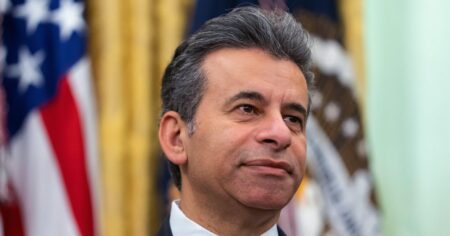
Defense Secretary Pete Hegseth announced on Friday that Scouting America must reverse several of its recent policy changes, particularly those affecting transgender youth, if it wants to maintain its longstanding partnership with the U.S. military. The ultimatum comes as the Pentagon under Hegseth’s leadership has taken a hardline stance against what it views as “woke culture” within organizations that receive military support. In a video posted on social media, Hegseth didn’t mince words, stating he had been “seriously considering” cutting all ties with Scouting America because the organization had “lost their way” and become “greatly wounded” as diversity, equity, and inclusion efforts “crept in.” He also criticized what he described as a watering down of the group’s religious foundation, suggesting the focus on God had been diluted to include “openness to humanism and Earth-centered pagan religions.” The Pentagon has given the organization an ultimatum: implement the requested changes or face the loss of military support that has been integral to Scouting programs since 1937. Hegseth made clear his preference would be for the organization to “go back to being the Boy Scouts as originally founded, a group that develops boys into men,” though he acknowledged that complete reversal might not happen.
Scouting America’s Response and Proposed Compromises
Responding to the Pentagon’s pressure, Scouting America released a carefully worded statement emphasizing its commitment to working with military families while attempting to preserve some of its recent progress toward inclusion. The organization announced it would implement several changes designed to satisfy the Pentagon’s concerns, including waiving registration fees for military families, launching a new merit badge focused on military service and veterans, and recommitting to what it called “Scouting’s foundational ideas: leadership, character, duty to God, duty to country and service.” Some of these changes actually mirror proposals the organization had already presented to the Department of Justice earlier in the year, including discontinuing the Citizenship in Society merit badge in favor of the new Military Service merit badge. Significantly, however, Scouting America stood firm on two crucial points: it would maintain its current name (rather than reverting to Boy Scouts of America) and would continue serving the more than 200,000 girls currently participating in its programs. The organization also shared with Hegseth in January that it would dissolve its DEI board committee as part of its effort to satisfy the administration’s concerns. This delicate balancing act represents the organization’s attempt to maintain military support while not completely abandoning the inclusive policies it has adopted over the past decade.
The Deep Historical Ties Between Military and Scouting
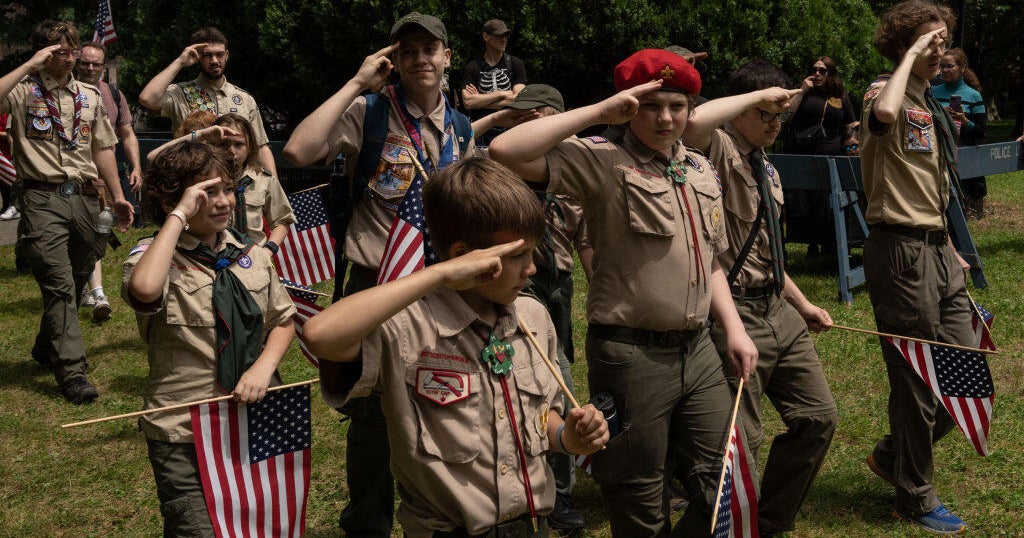
The relationship between the U.S. military and Scouting runs deep, stretching back nearly a century to when the first National Boy Scout Jamboree was held in 1937. Since that time, the military has provided crucial logistical support for these massive gatherings that bring together scouts from across the nation. Beyond the jamborees, the military has a long tradition of sponsoring Scout troops and activities on U.S. military bases around the world, providing children of service members with opportunities to participate in Scouting programs. The connection has been mutually beneficial: the military gets to support character-building activities for military families, while Scouting America has enjoyed the prestige, resources, and infrastructure that military support provides. Eagle Scouts, who have achieved Scouting’s highest rank, have traditionally been given preference in military recruitment and historically received automatic pay grade increases upon enlisting. This symbiotic relationship made last year’s reports that the Pentagon was planning to cut support for Scouting programs particularly alarming for the organization. The potential loss would mean not just reduced resources but also the severing of a partnership that has helped define both institutions for generations of American families.
A Century of Evolution and Controversy
Since its founding in 1910, when American businessman William Boyce was allegedly inspired by a helpful young scout he encountered in foggy London, the Boy Scouts of America achieved an almost mythic status in American culture. Pinewood derbies, the Scout Oath, and the prestigious Eagle Scout designation became woven into the fabric of American childhood and civic life. However, the organization’s history hasn’t been without significant controversy and painful evolution. The modern era of controversy began in 1990 when the organization expelled an Eagle Scout who had become an assistant scoutmaster after discovering he was co-president of his university’s gay and lesbian organization. The subsequent lawsuit made it all the way to the U.S. Supreme Court, which ruled in 2000 that the Scouts could legally exclude gay people from membership and leadership positions. While conservative groups rallied around the organization, many institutions withdrew their support due to the discriminatory policy. This pressure eventually led to changes: the ban on gay youth ended in 2013, followed by the end of the blanket ban on gay adult leaders in 2015 (though church-sponsored units could still maintain the exclusion for religious reasons). In 2017, the organization announced it would accept transgender boys, a decision prompted by the heartbreaking story of an 8-year-old transgender boy who was asked to leave his New Jersey troop after parents and leaders discovered his transgender status.
Expanding Beyond Boys and Facing a Reckoning
The most visible change came when the organization began accepting girls, first as Cub Scouts in 2018 and then into the flagship Boy Scout program (renamed Scouts BSA) in 2019. By May 2024, more than 6,000 girls had earned the prestigious Eagle Scout rank, demonstrating that young women were just as capable of meeting Scouting’s rigorous standards as their male counterparts. These changes, which the organization viewed as necessary evolution to remain relevant and serve more American families, culminated in the 2024 rebrand to “Scouting America.” President and CEO Roger Krone acknowledged some backlash to the name change but characterized the overall response as positive, noting that the more gender-neutral name generated wider interest and resulted in a membership gain of about 16,000 new scouts, though this represented less than 2% growth from the previous year in an organization with just over 1 million members. However, these progressive changes occurred against the backdrop of another crisis that threatened the organization’s very existence: a flood of sexual abuse claims that led the organization to seek bankruptcy protection in 2020. The organization had been named in about 275 lawsuits and had told insurers it was aware of another 1,400 claims. In 2023, a judge upheld a $2.4 billion bankruptcy plan that allowed the organization to continue operating while compensating more than 80,000 men who filed claims of sexual abuse during their time in scouting.
The Uncertain Path Forward
Now, Scouting America finds itself at another critical crossroads, caught between the progressive values it has embraced to remain inclusive and relevant, and the demands of a presidential administration determined to roll back what it views as excessive political correctness. The Pentagon has made clear it will “vigorously review” the changes Scouting America implements over the next six months and will not hesitate to sever the partnership if the organization fails to comply with its demands. The situation puts Scouting America in an impossible position: fully capitulating to the Pentagon’s demands would mean abandoning the 200,000 girls currently in the program and reversing policies that welcome LGBTQ+ youth, potentially triggering lawsuits and alienating families who have embraced the more inclusive Scouting. However, losing military support would mean forfeiting crucial resources, infrastructure, and a partnership that has been central to the organization’s identity for nearly a century. The organization’s current strategy appears to be threading the needle—making some concessions like dissolving the DEI committee and changing merit badges while firmly maintaining that girls will continue to be welcomed and the “Scouting America” name will remain. Whether this compromise satisfies the Pentagon or simply delays an inevitable confrontation remains to be seen. What is certain is that the outcome will help define what American Scouting means in the 21st century and whether an organization founded to build character and citizenship can itself navigate the turbulent waters of America’s culture wars.