

American Journalist Kidnapped in Baghdad: The Urgent Search for Shelly Kittleson
The Abduction That Shook the Journalism Community
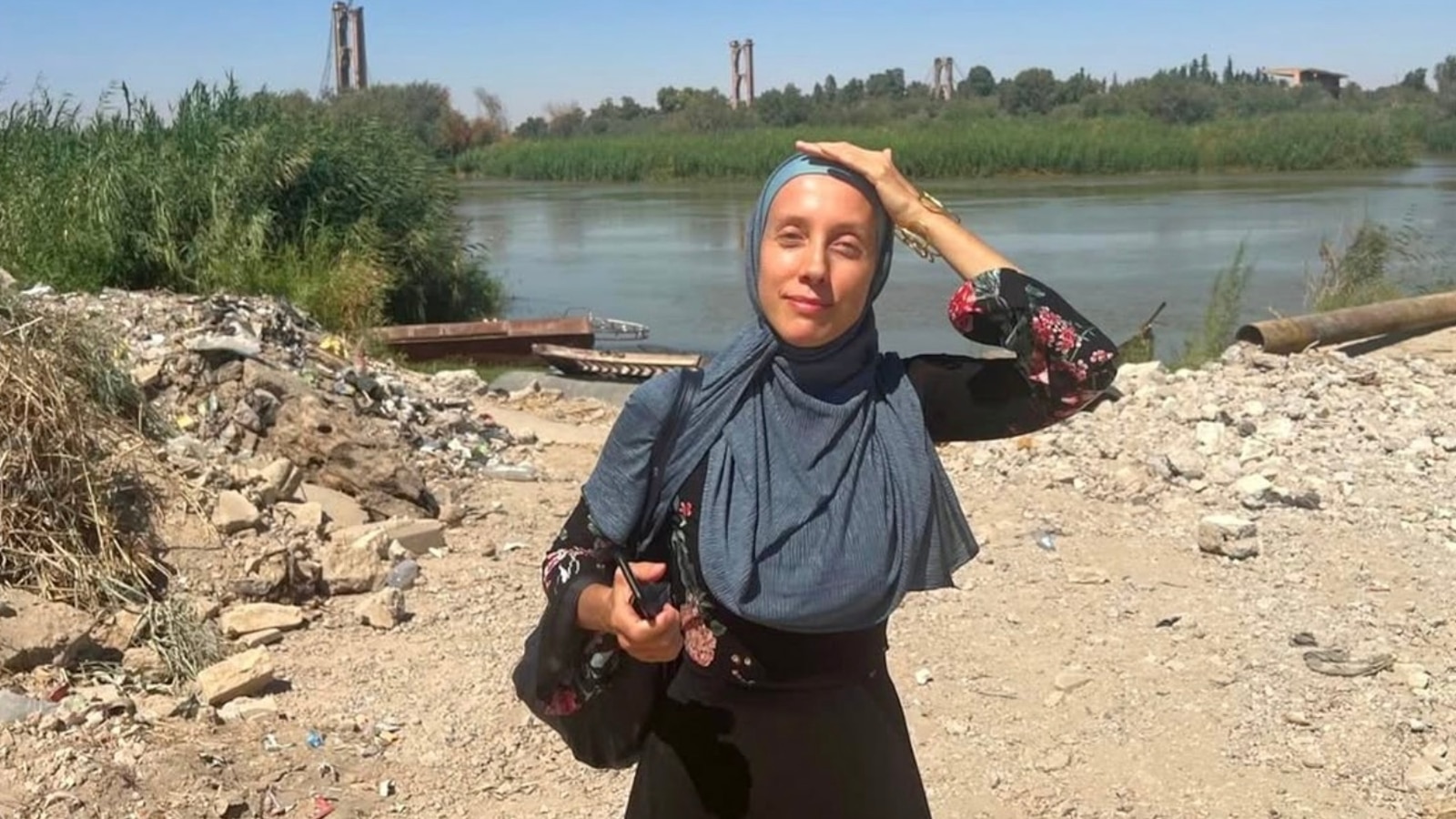
In a deeply troubling incident that has sent shockwaves through the international journalism community, American freelance journalist Shelly Kittleson was kidnapped in Baghdad on Tuesday. The abduction was confirmed by Iraq’s interior ministry and corroborated by two State Department officials who are closely monitoring the situation. Kittleson, an experienced reporter who contributes to Al-Monitor—a respected regional news outlet covering Middle Eastern affairs—was forcibly taken while going about her work in the Iraqi capital. The dramatic moment of her kidnapping was captured on security camera footage, which has since been verified by ABC News and confirmed by Iraqi authorities. The disturbing video shows Kittleson standing on a sidewalk when a silver vehicle suddenly approaches. In a matter of seconds, she is pushed toward the car, which then speeds away from the scene, leaving behind only questions and growing concern for her safety.
The Investigation and Arrest
Iraqi security forces immediately launched an intensive search operation to locate Kittleson and bring her abductors to justice. According to statements from Iraq’s interior ministry, their efforts have already yielded significant results. Law enforcement officials tracked down the kidnappers’ vehicle and engaged in a high-speed pursuit through Baghdad’s streets. During this chase, the suspects’ vehicle overturned, leading to the arrest of at least one individual allegedly involved in the kidnapping. This development marks a crucial first step in what authorities hope will lead to Kittleson’s safe recovery. Perhaps most concerning is the alleged connection between the arrested suspect and Kataib Hezbollah, an Iranian-aligned militia group that has been active in Iraq for years. Dylan Johnson, the assistant Secretary of State for Global Public Affairs, confirmed this troubling link, raising serious questions about the motives behind Kittleson’s abduction and whether it represents a targeted attack against American journalists working in the region.
Prior Warnings and Security Concerns
In a revelation that adds another layer of complexity to this already disturbing case, it has come to light that Kittleson had been warned multiple times about threats against her safety. According to Dylan Johnson and other U.S. officials, the State Department had contacted the journalist on several occasions to alert her to potential dangers. Most significantly, she received a warning as recently as Monday night—just hours before she was kidnapped on Tuesday. While the specific nature of these threats has not been publicly disclosed, the timing suggests that American officials had credible intelligence about potential risks to Kittleson’s safety. This raises difficult questions about the balance journalists must strike between pursuing important stories and protecting themselves in dangerous environments. The fact that warnings were issued demonstrates that U.S. authorities were aware of increased risks, though it remains unclear whether the specific threat of kidnapping was anticipated or if the warnings were more general in nature regarding her work in Iraq.
Government Response and International Cooperation
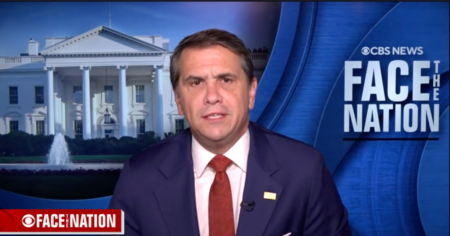
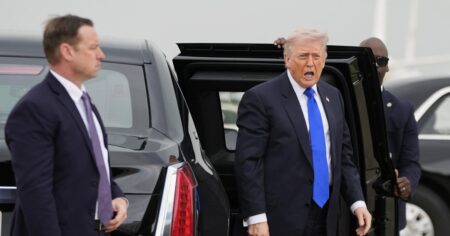
The U.S. State Department has mobilized a comprehensive response to Kittleson’s kidnapping, working on multiple fronts to secure her release. Officials have confirmed that they are in direct contact with Iraqi authorities and are actively collaborating with them to investigate her disappearance and locate her as quickly as possible. The response involves coordination between various government agencies, with the FBI being brought in to assist in the effort to secure Kittleson’s release. Dylan Johnson emphasized the government’s commitment in a statement posted on X (formerly Twitter), saying that authorities “will continue to coordinate with the FBI to ensure their release as quickly as possible.” This multi-agency approach reflects the seriousness with which the U.S. government is treating this incident. Beyond bilateral cooperation with Iraq, the case has also drawn attention to the broader security situation for journalists and American citizens in the region, prompting renewed warnings from the State Department about travel to Iraq.
Kittleson’s Career and the Journalism Community’s Response
Shelly Kittleson is no stranger to covering some of the world’s most challenging and dangerous stories. Currently based in Rome, she has built a reputation as a knowledgeable and dedicated journalist specializing in the Middle East and Afghanistan. Her work has appeared in numerous prestigious outlets including Foreign Policy, Politico, and BBC World Service, in addition to her contributions to Al-Monitor. This breadth of experience demonstrates her commitment to reporting on complex geopolitical issues and her willingness to go where the stories are, even when that means working in high-risk environments. Al-Monitor, the publication for which she was working at the time of her abduction, issued a strong statement calling for her “safe and immediate release.” The organization expressed being “deeply alarmed” by the kidnapping and emphasized their support for Kittleson, noting that “we stand by her vital reporting from the region and call for her swift return to continue her important work.” This statement reflects not only concern for their colleague but also recognition of the broader implications for press freedom when journalists are targeted for their work.
The Broader Context and Travel Warnings
This kidnapping highlights the continuing security challenges in Iraq, particularly for foreign nationals and journalists. In response to Kittleson’s abduction, Dylan Johnson reiterated the State Department’s standing advice that all Americans should avoid traveling to Iraq “for any reason” and urged those currently in the country to leave immediately. This strong language underscores the U.S. government’s assessment of the security situation in Iraq as fundamentally unstable and dangerous for American citizens. The incident also raises important questions about the risks faced by journalists working in conflict zones and areas with significant political instability. Kittleson’s case is far from isolated—journalists around the world frequently face threats, violence, and kidnapping as they work to bring important stories to light. The alleged involvement of an Iranian-aligned militia group in this case adds a geopolitical dimension that extends beyond individual criminal activity to suggest possible political motivations behind the abduction. As efforts continue to locate and rescue Kittleson, her case serves as a stark reminder of both the courage required of journalists who report from dangerous regions and the ongoing need for governments, news organizations, and the international community to work together to protect press freedom and ensure the safety of those who risk their lives to inform the world about critical events in conflict zones.