
Senator Tim Kaine Admits “Big Mistake” in Supporting Kristi Noem for Homeland Security Chief
A Democratic Senator’s Regret
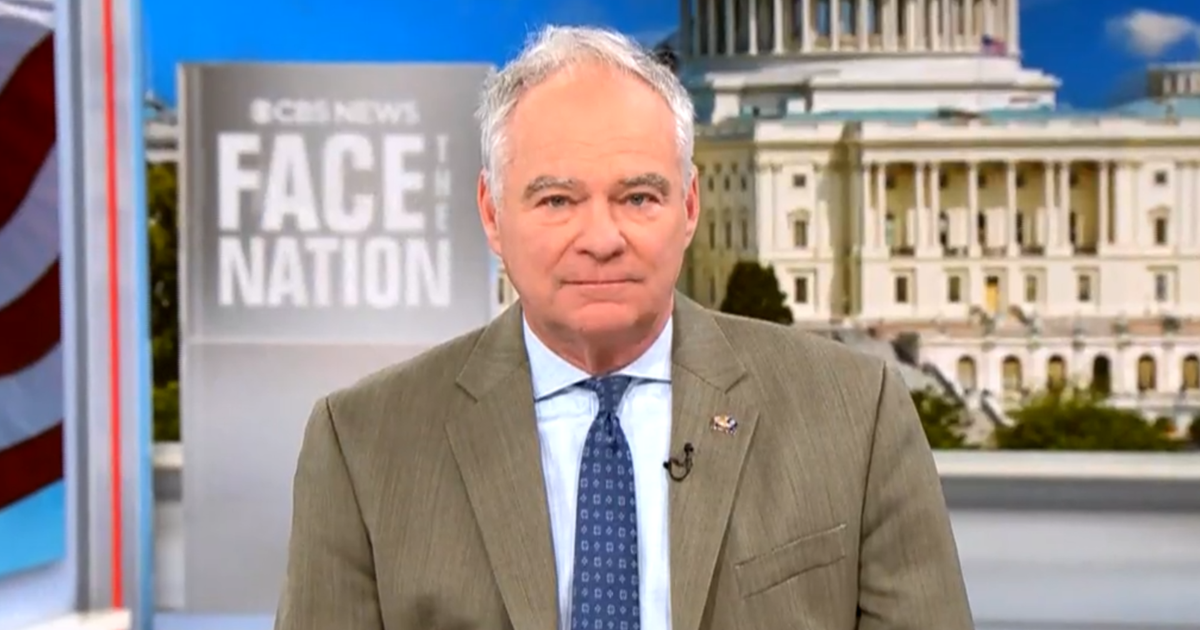
Virginia’s Democratic Senator Tim Kaine publicly acknowledged on Sunday that he made a significant error in judgment when he voted to confirm Kristi Noem as Secretary of the Department of Homeland Security last year. Speaking candidly on CBS’s “Face the Nation with Margaret Brennan,” Kaine didn’t mince words about his decision, calling it a “big mistake.” His admission comes in the wake of President Trump’s Thursday announcement that Noem would be leaving her position at DHS following a series of controversies that reached a breaking point last week. Kaine was among a small group of seven Democratic senators who crossed party lines to support Noem’s confirmation, a decision that clearly weighs on him now as he reflects on what went wrong during her brief and turbulent tenure leading one of the nation’s most critical departments.
The Real Power Behind the Throne
What bothered Senator Kaine most wasn’t just that Noem struggled in the role, but rather what he and others discovered about who was actually making the critical decisions at the Department of Homeland Security. According to Kaine, despite Noem holding the official title of Secretary, she wasn’t the one truly in charge. Instead, he pointed to Stephen Miller, a top advisor to President Trump, as the person actually calling the shots at DHS. This revelation fundamentally changed Kaine’s perspective on his confirmation vote. When he originally supported Noem, the former Virginia governor explained that he based his decision partly on her experience as South Dakota’s governor, operating under the reasonable assumption that “governors are often good Cabinet secretaries.” Governors, after all, have executive experience managing large state agencies and dealing with complex policy issues. However, Kaine now realizes that executive experience means little when someone else is pulling the strings behind the scenes, turning what should be an independent Cabinet position into something more like a figurehead role while Miller exercises what Kaine characterized as outsized and inappropriate influence over department operations.
Concerns About the Next Nominee
President Trump has already named his choice to replace Noem: Republican Senator Markwayne Mullin from Oklahoma. While this represents a fresh start for the troubled department, Senator Kaine and other Democrats worry that simply changing the nameplate on the door won’t solve the fundamental problems plaguing DHS if Stephen Miller continues to wield disproportionate power over the department’s operations. Kaine expressed concern that Mullin might face the same challenges Noem encountered, potentially finding himself sidelined by Miller’s influence despite holding the official title of Secretary. Interestingly, this concern isn’t limited to Democrats. Republican Senator Thom Tillis of North Carolina echoed similar warnings on CNN Sunday, also criticizing Miller’s “outsized influence” and going so far as to suggest that Miller should be removed from his position as well. However, Tillis expressed more optimism than Kaine about Mullin’s prospects, believing the Oklahoma senator would demonstrate more independence than Noem managed. Kaine acknowledged this possibility, noting that Mullin “could demonstrate otherwise,” but clearly remained skeptical that anything would fundamentally change without broader reforms to how the department operates.
Demands for Systemic Reform
For Democrats like Kaine, the issue goes far beyond personalities and individual Cabinet members. What they’re demanding are concrete, systemic reforms to how Immigration and Customs Enforcement (ICE) and Customs and Border Protection (CBP) conduct their operations. Kaine laid out specific examples of what these reforms should look like, arguing that these federal immigration enforcement agencies should operate more like local law enforcement agencies do across the country. This means respecting constitutional protections like not invading people’s homes without proper warrants, wearing body cameras to ensure accountability and transparency in their interactions with the public, and not wearing masks that conceal officers’ identities during enforcement actions. These aren’t radical proposals in Kaine’s view—they’re standard practices that Americans expect from their local police departments and should similarly expect from federal law enforcement agencies. The controversy over how these agencies have been operating represents a fundamental disagreement about the balance between enforcement priorities and civil liberties protections, with Democrats arguing that effective immigration enforcement doesn’t require abandoning the constitutional principles and transparency measures that govern other law enforcement agencies.
The Funding Standoff
These reform demands have created a significant standoff over funding for the Department of Homeland Security, which has developed into a crisis affecting far more than just immigration enforcement. The department has been effectively shut down since February 14th, when its funding expired and Congress failed to pass new appropriations. Democrats have drawn a line in the sand, pledging to block all funding for DHS until meaningful reforms to the immigration enforcement agencies are implemented. This puts Mullin in an extremely difficult position as he prepares for what promises to be a contentious confirmation process in the Senate. While he has already received support from at least one Democrat—Pennsylvania’s Senator John Fetterman—he’ll need to navigate these funding and reform issues carefully to secure enough votes for confirmation. The funding lapse affects not just ICE and CBP, but also other critical DHS components including the Transportation Security Administration (TSA), which secures the nation’s airports; the Federal Emergency Management Agency (FEMA), which responds to natural disasters; and the Coast Guard, which protects America’s maritime borders and conducts search and rescue operations.
A Path Forward?
Senator Kaine attempted to thread the needle on the funding impasse by making a distinction that he hopes can break the deadlock. He stressed that Democrats want to fund the other agencies within DHS—TSA, FEMA, the Coast Guard, and others—while confining the ongoing reform negotiations specifically to the immigration enforcement agencies like ICE and CBP. His argument is that these immigration enforcement agencies aren’t facing an immediate funding crisis anyway, since they received a substantial influx of money through the “One Big Beautiful Bill Act” that passed last year. “They’re not running out of money,” Kaine explained, suggesting that negotiations over reforms at these specific agencies can continue without holding up funding for the rest of the department’s critical functions. Whether this approach can gain traction remains to be seen, as it would require Republicans to agree to split DHS funding in a way that might give Democrats more leverage over the immigration enforcement agencies. As Mullin prepares to face Senate confirmation hearings, these questions about funding, reforms, and whether he’ll be able to operate independently from Stephen Miller’s influence will likely dominate the proceedings. For Senator Kaine, the experience with Noem has clearly been a learning experience—one that he’s determined won’t be repeated as the Senate considers her replacement.