
Understanding the Escalating Military Campaign Against Iran
A Major Military Operation Unfolds
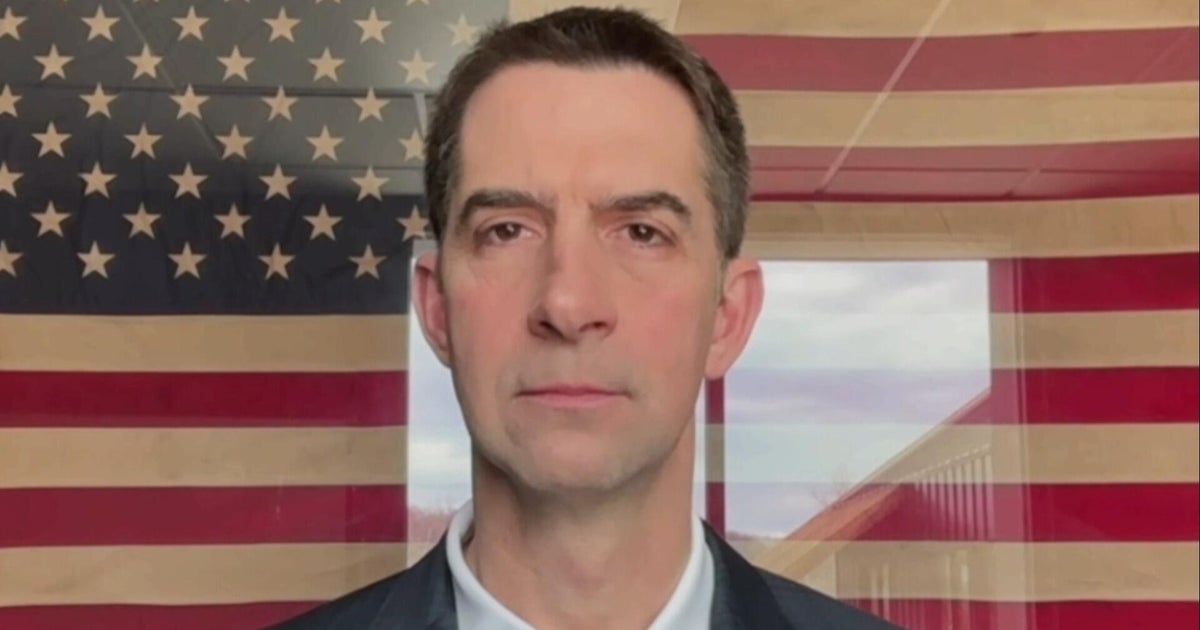
The United States and Israel have launched what officials are calling “Operation Epic Fury,” a significant military campaign against Iran that marks a dramatic escalation in tensions that have been building for months. Senator Tom Cotton of Arkansas, who chairs the Senate Intelligence Committee and is among the select group of lawmakers briefed on sensitive national security matters, has indicated that Americans should prepare for an extended military engagement rather than a quick strike. Speaking with CBS News, Cotton suggested the operation could extend for “weeks, not days,” involving not just American and Israeli forces but also regional Arab allies who have found themselves in Iran’s crosshairs. This coordinated effort represents one of the most significant military actions in the Middle East in recent years, with profound implications for regional stability and international relations.
The operation has already resulted in what U.S. and Israeli officials describe as a likely fatal strike against Iranian Supreme Leader Ayatollah Ali Khamenei, though this has not been independently confirmed. The scale and ambition of the mission suggest a fundamental shift in how the United States and its allies are approaching the Iranian threat. Rather than the limited, targeted strikes that have characterized much of recent Middle Eastern military action, this appears to be a comprehensive campaign designed to fundamentally alter Iran’s capabilities and potentially its government structure. The announcement of such a major operation has sent shockwaves through diplomatic circles and raised urgent questions about what comes next in this volatile region.
The Path to Military Confrontation
The road to this military escalation has been paved with months of increasingly heated rhetoric and failed diplomacy. President Trump had spent weeks issuing stern warnings to the Iranian regime, demanding they negotiate a new agreement to curtail their nuclear weapons program. These demands represented a continuation of the administration’s hardline approach toward Iran, which has consistently rejected what it views as interference in its sovereign affairs. Beyond the nuclear issue, the Trump administration had also condemned Iran’s brutal suppression of protesters in January, adding human rights concerns to the growing list of grievances against the Tehran government.
This weekend’s operation doesn’t exist in isolation but follows previous military action. Just last summer, in June 2025, the United States conducted airstrikes against key Iranian nuclear facilities, demonstrating a willingness to use military force to address proliferation concerns. Those strikes, however, appear modest compared to the current campaign. Senator Cotton explained that the current mission has broader objectives than the summer strikes, aiming not only to set back Iran’s nuclear ambitions but also to “dismantle their terror support network” – a reference to Iran’s long-standing support for militant groups throughout the Middle East, including Hezbollah in Lebanon, various militias in Iraq and Syria, and the Houthi rebels in Yemen. This more ambitious agenda naturally requires a more sustained military effort, which explains Cotton’s assessment that the operation will take considerably longer than previous actions.
Iran Strikes Back
As expected, Iran has not absorbed these strikes passively. Israel’s military has reported multiple waves of Iranian missile launches targeting Israeli territory, demonstrating that despite being under assault, Iran retains significant retaliatory capabilities. Additionally, at least two major U.S. military installations in the region have come under Iranian missile attack, putting American service members directly in harm’s way and escalating the conflict beyond a proxy fight. These counter-strikes illustrate the dangerous dynamic now unfolding – a tit-for-tat exchange between major military powers that could spiral into a broader regional war drawing in multiple nations.
Senator Cotton acknowledged the genuine threat posed by Iran’s missile arsenal, noting that the Islamic Republic possesses “thousands and thousands of missiles” and that Iran has more missiles than the United States and its allies have defensive systems to intercept them. This asymmetry creates a troubling military math problem – even a weakened Iran can inflict substantial damage simply through volume of fire. Cotton warned that “the balance only gets worse every single month,” suggesting that from the administration’s perspective, acting now rather than later made strategic sense, even with the considerable risks involved. This calculus – that Iran’s offensive capabilities are growing faster than allied defensive capabilities – appears to have been a significant factor in the decision to launch such an extensive operation at this particular moment.
Constitutional Questions and Congressional Pushback
While the military operation proceeds, a parallel battle is brewing in Washington over the constitutional authority to wage war. The U.S. Constitution explicitly grants Congress – not the President – the sole power to declare war, yet modern presidents from both parties have frequently undertaken military actions without formal congressional authorization. This tension between executive action and legislative authority has created friction throughout American history, and the current situation is no exception. The fact that Senator Cotton and the other members of the “Gang of Eight” – the bipartisan leadership of the House and Senate intelligence committees – were briefed ahead of the operation doesn’t constitute congressional authorization, though it does represent an effort at consultation.
The political landscape around war powers has become increasingly complex and unpredictable. Following a previous military mission in Venezuela aimed at removing then-President Nicolas Maduro, five Republican senators broke ranks with their party to advance a war powers resolution intended to constrain President Trump’s military authority, though that resolution ultimately failed. Now, an unusual bipartisan pair – Republican Representative Thomas Massie and Democratic Representative Ro Khanna – have announced their intention to force a vote on a war powers resolution specifically addressing further Trump administration action in Iran. This coalition of libertarian-leaning Republicans and progressive Democrats reflects deep unease among some lawmakers about executive overreach in matters of war and peace, regardless of which party controls the White House.
A Weakened but Dangerous Adversary
Senator Cotton’s assessment that Iran is “at one of its weakest points since the revolution in 1979” reflects a widely held view among Iran hawks that decades of sanctions, internal unrest, economic mismanagement, and international isolation have left the Islamic Republic vulnerable. The massive protests that erupted in January and were violently suppressed revealed deep fractures in Iranian society and growing dissatisfaction with theocratic rule. Economic conditions have deteriorated significantly, with inflation eroding the purchasing power of ordinary Iranians and unemployment, particularly among young people, remaining stubbornly high. The government’s legitimacy has been questioned by significant portions of its own population, creating what some analysts see as a historic opportunity to fundamentally change the regime’s behavior or even its composition.
However, weakness and danger are not mutually exclusive. History is littered with examples of weakened regimes lashing out violently when cornered, sometimes with catastrophic results. Iran’s substantial missile arsenal, its network of proxy forces throughout the Middle East, its cyber capabilities, and its potential to disrupt global energy markets through actions in the Persian Gulf all mean that even a weakened Iran can cause enormous damage to American interests and allies. The current situation illustrates this paradox perfectly – Iran may indeed be weaker than at any point in decades, yet it’s currently launching missiles at U.S. military bases and a close American ally. The question facing policymakers is whether applying maximum military pressure will cause the regime to collapse or capitulate, or whether it will instead trigger exactly the kind of wider regional conflict that could draw in other powers and destabilize the global economy.
The Road Ahead
As “Operation Epic Fury” continues to unfold, the international community watches nervously to see whether this military campaign can achieve its stated objectives without spiraling into an uncontrollable broader conflict. The goals articulated by Senator Cotton – rolling back Iran’s nuclear program and dismantling its support for terrorist organizations – are ambitious and cannot be achieved through airstrikes alone. They would require either a fundamental change in the Iranian government’s strategic orientation or regime change itself, outcomes that cannot be guaranteed through military means and that carry enormous risks and uncertainties.
The coming weeks will reveal whether the Trump administration’s gamble pays off or whether it has opened a Pandora’s box of regional instability. The involvement of Arab partners, mentioned by Cotton, suggests an attempt to build a broad coalition against Iran, potentially including countries like Saudi Arabia, the United Arab Emirates, and Bahrain, which have their own grievances with Tehran. However, the extent of their participation and the durability of such a coalition under the pressures of sustained conflict remain to be seen. Meanwhile, the constitutional debate in Washington will continue, reflecting enduring questions about how America makes decisions about war and peace in the 21st century. As missiles fly and military planners execute their operations, the ultimate consequences of this dramatic escalation – for the Middle East, for American power, and for international stability – remain very much an open question.