


Senate Blocks Trump’s Transgender Sports Ban Amendment in Contentious Weekend Voting Session
A Rare Weekend Showdown Over Voting Rights and Social Policy
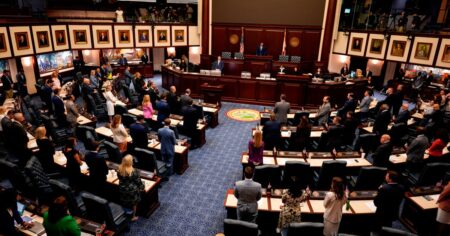
In a rare weekend legislative session that highlighted the deep divisions in American politics, the Senate convened on Saturday to debate sweeping voting legislation that has become a flashpoint for partisan conflict. The session resulted in the rejection of a controversial amendment that would have banned transgender athletes from competing in women’s sports—one of President Trump’s key priorities that he had insisted be included in the broader voting bill. The amendment failed by a vote of 49-41, marking a significant setback for the administration’s push to incorporate social policy issues into election reform legislation. This weekend gathering of senators underscored the urgency and controversy surrounding both voting rights and transgender participation in sports, two issues that have increasingly dominated national political discourse and divided Americans along ideological lines.
The Core Voting Legislation and Its Stringent Requirements
At the heart of Saturday’s debate was a comprehensive voting bill that the House of Representatives had already passed earlier in the year. This legislation seeks to implement strict new requirements for voter registration and mandates that voters present photo identification at polling places. Supporters of the bill argue that these measures are necessary to prevent individuals who are in the country illegally from casting ballots and to ensure the integrity of American elections. The proposed requirements represent some of the most stringent voting regulations considered at the federal level in recent years, and they reflect ongoing Republican concerns about election security—concerns that have intensified since the controversial 2020 presidential election. However, critics of the legislation, primarily Democrats, view these measures as unnecessary barriers that would make it more difficult for legitimate voters, particularly minorities and low-income citizens, to exercise their constitutional right to vote. The debate over voter ID requirements and registration procedures has become a defining feature of contemporary American politics, with each party viewing the issue through vastly different lenses of either security or access.
Trump’s Additional Demands Complicate Legislative Path
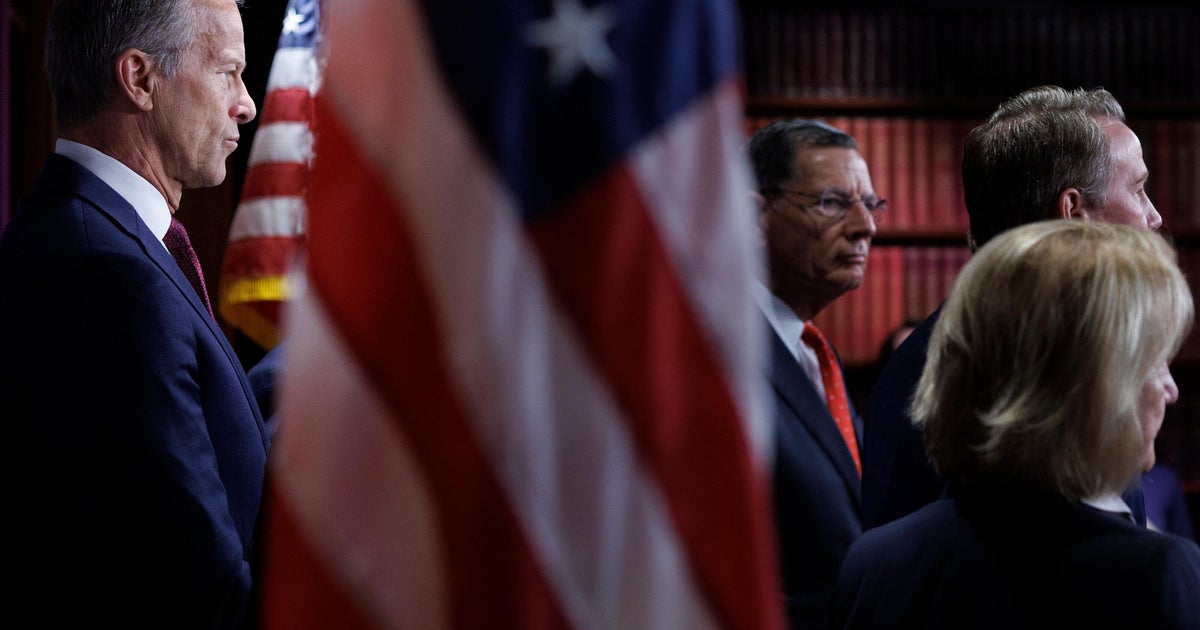
While the House-passed voting bill already contained controversial provisions, President Trump has significantly complicated its path through the Senate by insisting that Congress add several additional priorities to the legislation. Beyond the transgender sports ban that was voted down on Saturday, Trump is also demanding that lawmakers include a prohibition on sex reassignment surgeries for some minors and a ban on most mail-in voting. These additional requirements have transformed what was already contentious voting legislation into a broader culture war battleground, making it even more difficult for the bill to gain the necessary support for passage. The president’s insistence on including the mail-in voting ban is particularly problematic, as he has spent years criticizing mail-in ballots and made opposition to them a centerpiece of his efforts to overturn his 2020 defeat to Democrat Joe Biden. Trump’s demand for a near-total prohibition on mail balloting would face fierce resistance not only from Democrats but also from some Republicans who recognize that many of their own constituents rely on mail-in voting for convenience or necessity. Senate Majority Leader John Thune acknowledged the uncertain path forward, stating that Republicans “haven’t made any final decisions about how to conclude this,” while emphasizing their commitment to ensuring a thorough debate that puts every senator on the record regarding these contentious issues.
The Filibuster Obstacle and Mathematical Reality
Despite the Republican Party’s control of the Senate with 53 seats, the legislation faces a seemingly insurmountable obstacle in the form of the legislative filibuster, which requires 60 votes to advance most bills in the 100-member chamber. Republican senators have repeatedly acknowledged that they lack the support necessary to either eliminate the filibuster or find alternative procedural workarounds to pass the voting bill without Democratic cooperation. Democrats, who are unanimously opposed to the core provisions of the legislation, are expected to ultimately block the broader bill from advancing. This mathematical reality has led some observers to question why Republicans are proceeding with floor debate on legislation that appears doomed to fail. The answer lies partly in President Trump’s adamant position that he will not sign any other bills until Congress passes the voting measure, effectively holding other legislative priorities hostage to his demands on election reform and social policy. This strategic approach has put Senate Republicans in a difficult position, forcing them to navigate between the president’s expectations and the practical limitations of their voting power. The situation illustrates the ongoing tension within American governance between partisan political goals and the institutional structures designed to require broader consensus for major legislative changes.
The Transgender Sports Amendment and Its Implications
The amendment that senators rejected on Saturday would have imposed financial penalties on educational institutions receiving federal funding if they permitted individuals who were assigned male at birth to participate in athletic programs or activities designated for women or girls. This proposal touched on one of the most emotionally charged issues in contemporary American society—the participation of transgender individuals in sports categories that align with their gender identity rather than their biological sex at birth. Proponents of such bans argue that transgender women who went through male puberty retain physical advantages that make competition unfair for cisgender women and girls, potentially threatening opportunities and scholarships for female athletes. Opponents counter that such bans discriminate against transgender individuals, deny them equal opportunities to participate in school activities, and contradict established medical and psychological understanding of gender identity. The 49-41 vote against the amendment demonstrated that even within the Republican-controlled Senate, there wasn’t sufficient support to advance this particular aspect of the president’s agenda. The debate over transgender participation in sports has played out across the country at state and local levels, with various jurisdictions adopting conflicting approaches, and Saturday’s vote ensured that, for now, there would be no uniform federal policy imposed through this legislation.
A Symbolic Exercise with Uncertain Outcomes and Broader Implications
Senate Majority Leader John Thune’s comments about ensuring a “fulsome debate” and putting everyone “on the record one way or the other” revealed an important dimension of Saturday’s proceedings—even if the legislation ultimately fails, Republicans are using the process to force votes that they believe will benefit them politically. By requiring senators to vote on high-profile issues like transgender sports participation, voter ID requirements, and mail-in voting, Republicans are creating a record they hope to use in future campaigns to highlight differences between the parties on issues that resonate with their base voters. This strategic use of legislative time for political positioning, even when passage is unlikely, has become increasingly common in the polarized modern Senate. Meanwhile, the question of whether the Senate will hold votes on Trump’s other priorities—particularly the ban on sex reassignment surgeries for minors—remains unanswered, leaving uncertainty about how long the debate will continue and what other controversial issues might be addressed. The weekend session and the broader debate surrounding this legislation exemplify the current state of American governance, where foundational questions about voting rights, gender identity, and the balance between security and accessibility are being fought over with little prospect for compromise or consensus, reflecting a nation deeply divided over both policy substance and fundamental values.