
Congress Buys More Time on Controversial Surveillance Law With Last-Minute Extension
In a dramatic late-night session that stretched into the early hours of Friday morning, the United States Congress scrambled to prevent a controversial surveillance program from expiring. The House of Representatives, working past 2 a.m., approved a temporary extension of Section 702 of the Foreign Intelligence Surveillance Act, commonly known as FISA. Just hours later, the Senate followed suit, passing the measure by unanimous consent. This legislative maneuvering gives lawmakers an additional 10 days—extending the deadline to April 30—to hammer out a more permanent solution for a surveillance tool that has become one of the most contentious issues dividing Washington.
What Section 702 Actually Does and Why It Matters
Section 702 represents one of the most powerful surveillance authorities available to American intelligence agencies. Originally enacted as part of broader reforms to intelligence gathering practices, this provision allows federal authorities to monitor the communications of foreign nationals located outside the United States without obtaining individual warrants. The rationale behind the law is straightforward: when dealing with potential threats from abroad—whether from terrorist organizations, hostile foreign governments, or international criminal networks—intelligence agencies need the flexibility to act quickly without navigating the lengthy warrant process required for domestic surveillance.
However, the controversy surrounding Section 702 stems from what critics call the “backdoor search loophole.” When Americans communicate with foreigners who are under surveillance through this program, those communications can be collected and stored in government databases. Intelligence and law enforcement agencies can then search through this collected information for Americans’ communications—essentially accessing private conversations involving U.S. citizens without ever having obtained a warrant specifically for those individuals. For privacy advocates and civil liberties organizations, this represents a fundamental violation of Fourth Amendment protections against unreasonable searches and seizures. For national security officials, it’s an essential tool for connecting the dots and preventing attacks before they happen.
The Political Divide That’s Stalling Progress
The debate over Section 702 has created some unusual political alliances and exposed deep divisions within both major parties. The Trump administration has taken a clear position: they want an 18-month extension of the program exactly as it currently exists, with no modifications or additional restrictions. From their perspective, Section 702 has proven its value in protecting American lives, and any changes could create dangerous gaps in the nation’s security apparatus.
However, members of Congress are far from united on this approach. Progressive Democrats have long expressed concerns about government overreach and the potential for abuse of surveillance powers, particularly when it comes to monitoring Americans’ private communications. They’ve been joined by libertarian-leaning Republicans who share similar skepticism about government intrusion into citizens’ lives. This coalition of privacy advocates spans the ideological spectrum, from civil liberties progressives to constitutional conservatives, all united by the belief that the current system lacks adequate safeguards against misuse. On the other side stand national security hawks from both parties, along with the intelligence community and law enforcement agencies, who argue that handcuffing Section 702 with additional requirements would slow down time-sensitive investigations and potentially cost lives.
The Scramble to Avoid a Surveillance Gap
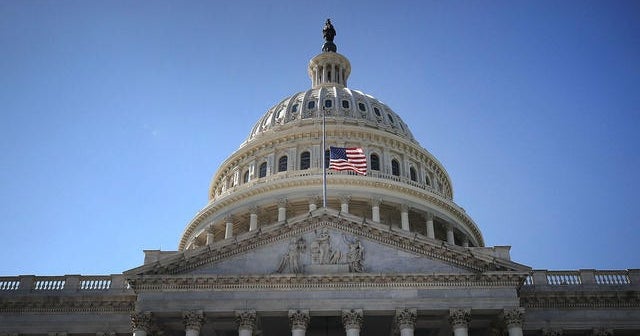
The midnight oil burning in the Capitol on Thursday night and Friday morning illustrated just how difficult it has become to find common ground on intelligence matters. The original expiration date of April 20 was fast approaching, and without action, Section 702 would have simply ceased to exist. While some might celebrate such an outcome, the practical implications worried many lawmakers. Active investigations could be disrupted, ongoing monitoring of known threats might have to cease, and intelligence agencies would lose access to information streams they’ve come to depend on for threat assessment and prevention.
The 10-day extension represents a classic Washington compromise—or perhaps more accurately, a punt. It doesn’t resolve the underlying disagreements about how Section 702 should work, whether it needs reform, or how to balance security needs with privacy rights. Instead, it simply gives all parties a bit more breathing room to negotiate. Lawmakers are hoping these extra days will allow for the kind of behind-the-scenes discussions and horse-trading that might produce a longer-term solution that can satisfy enough members from different factions to actually pass both chambers and reach the President’s desk.
The Broader Context of Surveillance in America
This latest congressional struggle over Section 702 plays out against a broader backdrop of evolving attitudes toward privacy, security, and government power in the digital age. The revelations from whistleblowers like Edward Snowden a decade ago fundamentally changed how many Americans think about government surveillance programs. What was once largely accepted as necessary for national security became viewed more skeptically, with citizens across the political spectrum questioning whether intelligence agencies had grown too powerful and too unaccountable.
At the same time, the threat landscape has continued to evolve. Terrorism remains a concern, but cybersecurity threats, foreign interference in elections, and the activities of hostile nation-states have added new dimensions to the national security challenge. Intelligence officials argue that these modern threats require modern surveillance capabilities—that the communication methods used by adversaries have become more sophisticated, more encrypted, and harder to penetrate, making tools like Section 702 more important than ever. The tension between these valid security concerns and equally valid privacy concerns is what makes finding consensus so difficult.
What Happens Next and Why It Matters to Everyone
With the extension now in place, the real work begins. Over the next 10 days, congressional leaders, committee chairs, the intelligence community, and the White House will likely engage in intensive negotiations to find a path forward. Several options are on the table: a clean extension of Section 702 as the Trump administration wants, an extension with modest reforms that might include enhanced oversight or reporting requirements, or more substantial changes that could include requiring warrants for searching Americans’ communications in certain circumstances.
The outcome of these negotiations will have implications that extend far beyond the halls of Congress or the offices of intelligence agencies. For ordinary Americans, the resolution of this debate will help determine the boundaries of government surveillance in their lives—whether their communications might be accessed without a warrant if they happen to be in contact with someone overseas who’s under monitoring. For the intelligence and law enforcement communities, it will define the tools they have available for the foreseeable future. And for the broader principle of how democracies balance security and liberty in an interconnected world, it represents another chapter in an ongoing conversation about where those boundaries should be drawn. As the April 30 deadline approaches, all eyes will be on Washington to see whether lawmakers can move beyond temporary fixes and craft a more lasting solution to one of the most important civil liberties questions of our time.