


Senate Blocks Democratic Effort to Limit Trump’s Military Action Against Iran
Congressional Authority Challenged in Ongoing Conflict
The United States Senate delivered a significant blow to Democratic lawmakers on Tuesday when it rejected their latest attempt to curb President Trump’s military operations in Iran. The vote, which fell along almost entirely partisan lines with a final tally of 47 to 53, failed to reach even the simple majority needed to move forward. The outcome highlighted the deep political divisions surrounding America’s military engagement in the Middle East, with only one Republican—Kentucky Senator Rand Paul—breaking ranks to support the measure, while Pennsylvania Democrat John Fetterman was the sole member of his party to oppose it. This vote represents the third unsuccessful attempt by Senate Democrats since the conflict’s beginning on February 28th to challenge the president’s authority to conduct military operations without explicit congressional approval. The repeated failures underscore the difficulty opposition lawmakers face in checking executive power during wartime, even as they continue to raise serious questions about the constitutional balance between the executive and legislative branches when it comes to declaring and conducting war.
Democrats Push for Transparency and Accountability
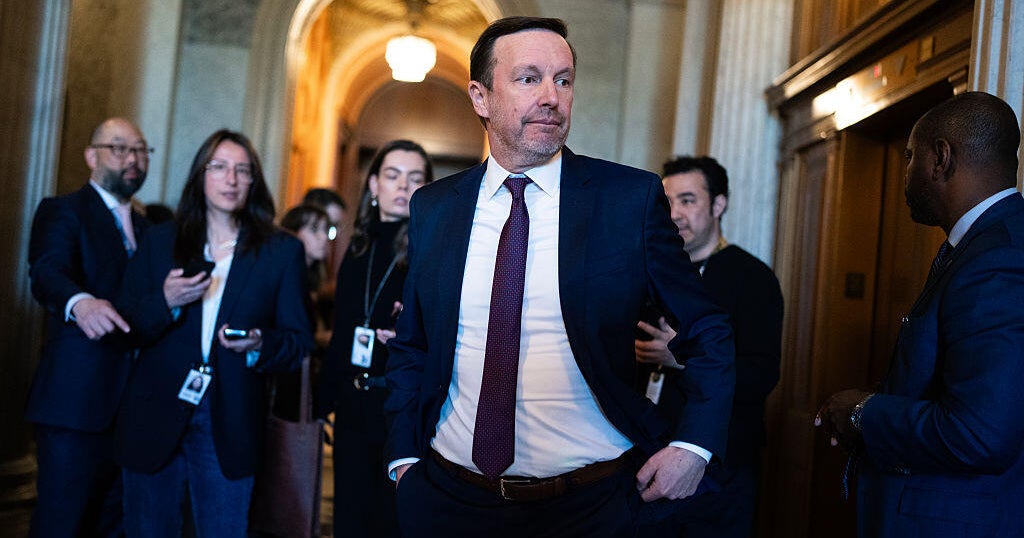
Democratic Senator Chris Murphy of Connecticut, who introduced the resolution that failed on Tuesday, delivered an impassioned plea on the Senate floor before the vote, characterizing the current situation as unprecedented in American history. Murphy expressed deep concern that Congress has allowed a full-scale military conflict to proceed with American service members losing their lives while the legislative body actively conceals the reality of the situation from the American public. His words painted a picture of a government operating in the shadows, conducting war without the transparency and debate that the Constitution demands. Murphy’s argument centered on the troubling absence of public hearings about the conflict, which he attributed to the Trump administration’s inability to justify or adequately explain their military strategy to Congress and the American people. He described the consequences of this war as “stunning in their scope,” suggesting that the impact extends far beyond what most Americans understand. Murphy’s most pointed criticism was reserved for the administration’s apparent unwillingness to defend their actions before Congress, which he suggested speaks volumes about the lack of proper planning and coherent strategy underlying the military campaign. His remarks reflected the frustration felt by many Democrats who believe they’re being shut out of crucial decisions that affect national security and the lives of American troops.
Constitutional Debate Over War Powers
Virginia’s Democratic Senator Tim Kaine, who has emerged as a leading voice in the effort to reassert congressional authority over military action, emphasized the fundamental responsibility of Congress to rigorously examine any proposal that puts American service members in harm’s way. Kaine’s argument rests on the principle that decisions of such magnitude deserve the most thorough and critical scrutiny that the Senate can provide. However, the Trump administration and its Republican allies in Congress have maintained a very different interpretation of constitutional authority and existing law. They argue that the president doesn’t require specific congressional authorization for the current military operations because both the Constitution itself and the War Powers Resolution of 1973 grant the executive broad powers to order military action when acting in the nation’s self-defense. President Trump has repeatedly justified the military campaign by claiming that Iran presented an “imminent” threat to American interests and lives, though this assertion has faced considerable skepticism from critics who question whether the evidence supports such a characterization. This debate touches on fundamental questions about the separation of powers that have plagued American democracy since its founding: how much authority should one branch of government hold when it comes to decisions of war and peace, and what mechanisms exist to prevent the abuse of that power?
Uncertain Path to Resolution
Adding to the complexity of the situation, President Trump has for weeks been sending mixed signals about when and how the conflict might conclude, repeatedly suggesting that the war would “wrap up soon” without providing clear details about what an exit strategy might look like. Behind the scenes, Pentagon officials have been engaged in detailed planning for the potential deployment of U.S. ground forces into Iran itself, indicating that despite the president’s optimistic public statements, military planners are preparing for a significant escalation rather than a winding down of operations. On Monday, Trump announced a five-day postponement of planned military strikes against Iran’s energy infrastructure—attacks he had previously threatened in response to Iran’s blockade of the strategically vital Strait of Hormuz, through which a significant portion of the world’s oil supply passes. The president has also made public claims that negotiations with Iran are currently underway, though Iranian officials have flatly denied that any direct talks are taking place between the two nations. However, a senior official within Iran’s Foreign Ministry did confirm to CBS News that the United States had sent a message to Iran through third-party mediators, suggesting that some form of indirect communication channel may exist even as both sides publicly maintain hardline positions. This confusing mixture of military escalation, postponed strikes, and uncertain diplomacy has left both lawmakers and the public struggling to understand the administration’s actual objectives and strategy.
House Democrats Consider Their Options
The battle over war powers isn’t limited to the Senate, as Democrats in the House of Representatives are also weighing their options for challenging the president’s authority to continue military operations without explicit congressional approval. However, House Minority Leader Hakeem Jeffries struck a cautious tone when asked about the timeline for bringing another war powers resolution to the floor for a vote. Jeffries indicated that “ongoing conversations” are taking place among Democratic lawmakers about moving forward “sooner rather than later,” but he emphasized that they want to ensure any measure they bring to a vote has a realistic chance of success rather than simply making a symbolic gesture. His comments reflect the political calculus that opposition party leaders must make—balancing the desire to take a stand on principle with the practical reality that failed votes can make their caucus appear weak and ineffective. “When we present something on the floor, it’s our determination to win,” Jeffries stated, suggesting that House Democrats are carefully studying the political landscape and potentially seeking to build some degree of bipartisan support before forcing a vote. This strategic approach recognizes that the war powers issue, while primarily falling along party lines, does have the potential to attract some Republican support, particularly from lawmakers who have traditionally been skeptical of expansive executive power or who represent districts where public opinion has turned against the conflict.
Broader Implications for American Democracy
The ongoing struggle between Congress and the president over authority to conduct military operations represents far more than a political squabble between Democrats and Republicans—it strikes at the heart of how American democracy functions and whether the constitutional system of checks and balances remains viable in an era of increasingly powerful executives. The framers of the Constitution deliberately divided war powers between the legislative and executive branches, granting Congress the authority to declare war while making the president the commander-in-chief of the armed forces. This division was intended to ensure that decisions to send Americans into combat would require broad consensus and careful deliberation rather than the will of a single individual. However, the modern reality of warfare—with its demands for rapid response, covert operations, and complex international dynamics—has steadily shifted power toward the presidency, often leaving Congress in the role of rubberstamping decisions already made or criticizing actions already taken. The current situation with Iran illustrates this imbalance in stark terms, with American forces engaged in active combat operations that have resulted in casualties while the legislative branch struggles even to obtain basic information about the conflict’s scope, objectives, and legal justification. The repeated failure of war powers resolutions, combined with what Democrats describe as the administration’s refusal to provide public testimony and detailed briefings, suggests that the constitutional mechanism for congressional oversight of military action may have become so weakened as to be nearly meaningless. Whether Congress can reassert its authority, or whether the trajectory toward ever-greater executive power in military affairs will continue, remains one of the most consequential questions facing American governance in the 21st century.