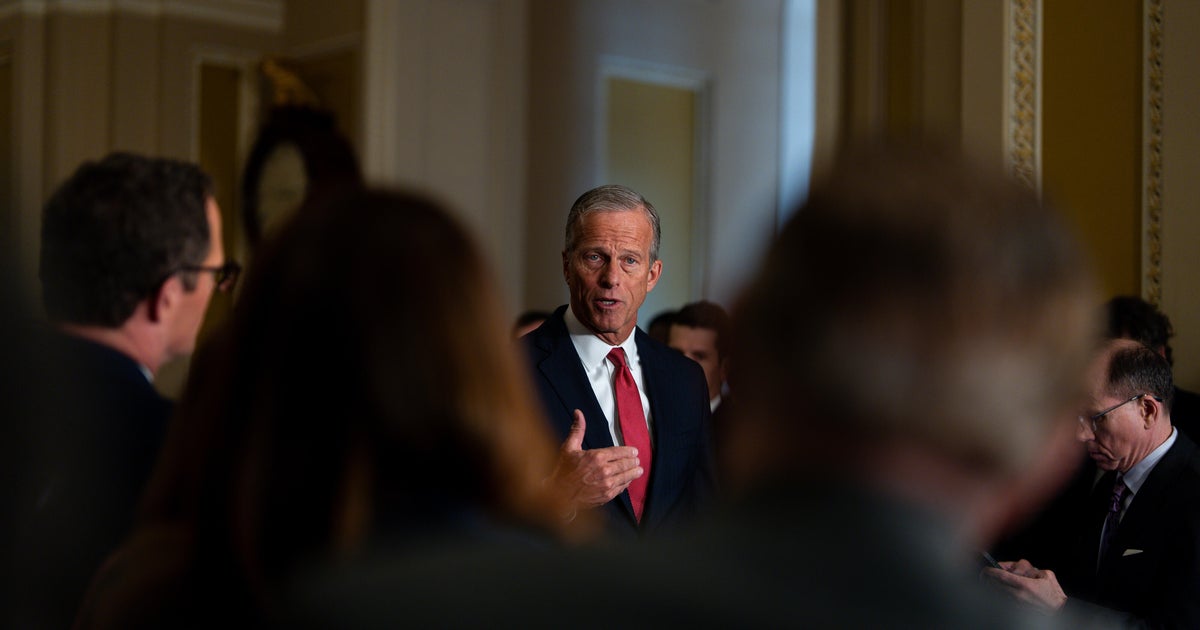

Washington Races Against Clock to Prevent Homeland Security Shutdown
Ticking Down to a Funding Crisis
The halls of Congress are once again filled with tension as lawmakers face yet another government funding deadline, this time threatening to shut down the Department of Homeland Security. With the clock ticking toward a Saturday midnight deadline, senators are scrambling to find common ground on a budget that has become entangled with demands for sweeping immigration enforcement reforms. The Department of Homeland Security isn’t just another government agency—it’s the vast organization that protects America’s borders, responds to natural disasters through FEMA, keeps air travel safe through TSA, guards our coasts, and enforces immigration laws through ICE and Border Protection. A shutdown would send ripples through all these critical operations, though some would continue thanks to earlier emergency funding. What makes this particular standoff different from the routine budget battles that have become all too familiar in Washington is that it’s not really about money at all. Instead, Democrats are using their leverage over funding to demand fundamental changes to how immigration agents conduct their operations, changes sparked by a tragic incident that has galvanized their caucus and raised serious questions about accountability in immigration enforcement.
The Tragedy That Changed Everything
The death of Alex Pretti has become a turning point in the immigration enforcement debate. The 37-year-old was shot and killed by immigration agents in Minneapolis just last month, and his death has sparked outrage among Democratic lawmakers who say it exemplifies deeper problems with how ICE operates. For Democrats, Pretti’s death wasn’t an isolated incident but rather a symptom of an agency that operates with too little oversight, too much force, and insufficient accountability. Congressional Democrats have drawn a line in the sand: they won’t simply write a check to fund the Department of Homeland Security without addressing what they see as systemic problems in how immigration enforcement is carried out on American streets. The shooting has given Democratic leaders the political ammunition and moral urgency to push for reforms they’ve long sought but struggled to achieve. Now, with control over funding that Republicans desperately need, they’re in a position to potentially force changes that could reshape how immigration agents interact with communities across the country. The tragedy has transformed what might have been a routine appropriations vote into a high-stakes negotiation over the fundamental nature of immigration enforcement in America.
What Democrats Are Demanding
The list of reforms that Democratic leadership has put on the table represents a comprehensive reimagining of immigration enforcement operations. First and foremost, they want immigration agents to be clearly identifiable—no more masks that hide their faces, mandatory body cameras to record their interactions, standardized uniforms so everyone knows exactly who they’re dealing with, and visible identification. These transparency measures are designed to ensure that agents can be held accountable for their actions and that the people they encounter know they’re dealing with legitimate federal officers. Beyond identification, Democrats are pushing for fundamental changes to where and how immigration enforcement can operate. They want to establish sanctuary spaces—medical facilities where people can seek care without fear, schools where children can learn, churches where people worship, polling places where citizens vote, and courts where justice is administered. The logic is straightforward: immigration enforcement shouldn’t prevent people from accessing essential services, practicing their faith, participating in democracy, or seeking justice. Democrats are also demanding an end to racial profiling, the implementation of “reasonable” use-of-force standards (a direct response to the Pretti shooting), and requirements that agents obtain judicial warrants before entering private property. Perhaps most significantly, they want to allow state and local jurisdictions to investigate and prosecute cases of excessive force by federal immigration agents, and they’re pushing for new safeguards in the detention system that holds immigrants awaiting proceedings.
Republicans Push Back and Seek More Time
Republican leaders find themselves in a difficult position. Senate Majority Leader John Thune acknowledged that “good-faith efforts” have been made toward reaching an agreement, but he’s also realistic about the timeline. The South Dakota Republican knows that the current Friday deadline simply isn’t enough time to hash out the complex details of reforming an entire enforcement apparatus while also passing a major funding bill. Thune is hoping Democrats will agree to yet another short-term extension—what’s known as a continuing resolution—that would keep DHS funded at current levels while negotiations continue. His message to his Democratic colleagues is essentially: let’s keep talking, but let’s also keep the government running while we work this out. The Senate is moving forward with votes on a House-passed DHS funding bill, but everyone knows it’s largely a procedural step since Democrats have made clear it doesn’t include the reforms they’re demanding. Alabama Senator Katie Britt, who’s part of the negotiating team, has shut down any suggestions to split the bill—funding some parts of DHS while leaving immigration enforcement agencies in limbo. She and other Republicans are pushing for a comprehensive solution, not a piecemeal approach. Speaker Mike Johnson has told House members to stick around for potential Friday votes, disrupting planned congressional recesses. The Republicans’ position is that they’re willing to negotiate, willing to find common ground, but they need Democrats to be flexible on timing and to keep the government running while those negotiations unfold.
Democrats Draw a Hard Line
Senate Minority Leader Chuck Schumer and his Democratic colleagues are having none of it. In a pointed message on social media, Schumer made clear that Democrats won’t support another continuing resolution that simply extends “the status quo.” From the Democratic perspective, they’ve been patient enough—there was already a four-day partial government shutdown earlier this month over this very issue, and the two-week extension was supposed to provide time for serious negotiations. Now, with just three days until funding lapses, Schumer is accusing Republicans of not getting serious about “negotiating a solution that reins in ICE and stops the violence.” The Democratic strategy is to use their leverage while they have it. In a closely divided Senate, Republicans need Democratic votes to pass funding legislation, which gives the minority party significant bargaining power. Democrats are betting that Republicans will ultimately cave rather than allow a shutdown of an agency responsible for national security, disaster response, and border protection. Connecticut Representative Rosa DeLauro introduced a bill that would fund all the non-immigration parts of DHS, essentially trying to take hostage-taking off the table by ensuring FEMA, the Coast Guard, and TSA keep running regardless of the immigration enforcement fight. But Republicans like Senator Britt dismissed this as “unserious,” seeing it as an attempt to isolate and defund immigration enforcement. For Democrats, this isn’t just political hardball—it’s about accountability and reform in the wake of Alex Pretti’s death and other incidents that they believe demonstrate the need for fundamental change.
The Road Ahead Remains Uncertain
As Thursday’s votes approach and the weekend deadline looms, Washington finds itself in familiar but frustrating territory. Both sides claim to want a deal, both sides say they’re negotiating in good faith, yet neither side is willing to blink first. The White House has sent proposals, Democrats have sent counter-proposals, but the gap between “incomplete and insufficient” and acceptable remains wide. Complicating matters is the congressional calendar—both chambers are scheduled to go on recess next week, though Thune has told senators to “remain flexible,” code for “don’t book any non-refundable travel plans.” There’s an added wrinkle that makes this shutdown threat somewhat different: because ICE and Border Protection received substantial funding in last year’s One Big Beautiful Bill Act, those agencies would actually continue operating even if DHS funding lapses. That means the immediate impact of a shutdown would fall more heavily on agencies like FEMA, the Coast Guard, and TSA—agencies that aren’t part of the immigration enforcement debate but would become collateral damage. This reality could affect the political calculations on both sides. The most likely scenarios at this point are either a last-minute breakthrough that produces both funding and at least some of the reforms Democrats are demanding, or another short-term extension that kicks the can down the road once again, possibly past the congressional recess. A full government shutdown of DHS remains possible but seems like the outcome everyone wants to avoid, even as they maneuver for political advantage. What’s clear is that Alex Pretti’s death has elevated this from a routine budget fight to a fundamental debate about how America conducts immigration enforcement, and that debate won’t be resolved with a quick compromise in the final hours before a deadline.