
Senate Democrat Demands Answers on Secret DEA Investigation Into Jeffrey Epstein’s Drug Trafficking Ring
A Hidden Investigation Comes to Light
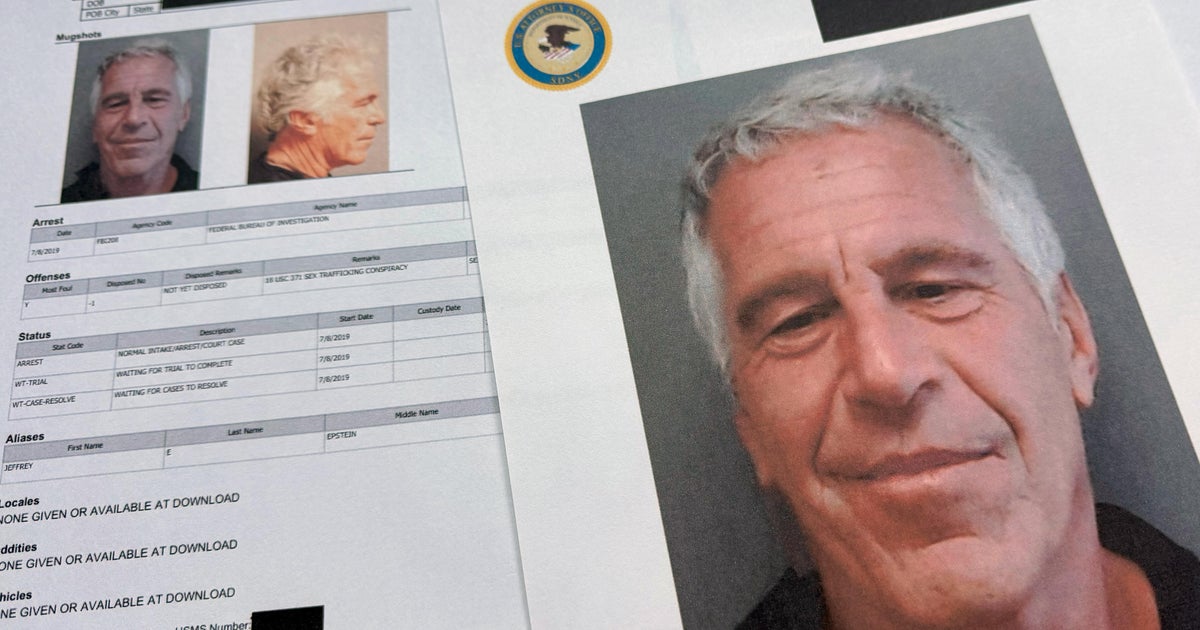
A startling revelation has emerged from the vast trove of Jeffrey Epstein documents: the disgraced financier wasn’t just under investigation for sex trafficking, but was also the subject of a secretive Drug Enforcement Administration probe into suspected drug trafficking and money laundering. Senator Ron Wyden, a Democrat from Oregon who serves as the ranking member of the Senate Finance Committee, is now demanding answers about why this investigation never resulted in charges. The existence of this case only became public knowledge after CBS News reported on a heavily redacted 69-page DEA memo discovered among more than 3 million pages of documents recently released by the Justice Department. This memo, dated from 2015 and marked “sensitive but unclassified,” has opened up a new chapter in the already disturbing Epstein saga, raising troubling questions about whether justice was properly served and whether powerful individuals may have escaped accountability.
The Scope of “Operation Chain Reaction”
The DEA investigation, which carried the code name “Chain Reaction,” was no small matter. According to the 2015 memo, the case was opened in 2010 in New York and remained active as “judicial pending” five years later when the document was created. The investigation targeted Epstein along with 14 alleged co-conspirators, though the names of these other individuals have been completely blacked out in the publicly released version. The focus of the investigation centered on what the memo described as “illegitimate wire transfers which are tied to illicit drug and/or prostitution activities occurring in the U.S. Virgin Islands and New York City.” This geographic scope is particularly significant, as it encompasses Epstein’s notorious private island in the U.S. Virgin Islands as well as his Manhattan residence, both locations that have become synonymous with his criminal activities. The fact that this was designated as a DEA Organized Crime Drug Enforcement Task Forces (OCDETF) probe suggests that investigators believed they were dealing with sophisticated criminal enterprise rather than isolated incidents.
Serious Questions About Justice Department Handling
Senator Wyden’s letter to DEA Administrator Terrance C. Cole pulls no punches in expressing his concerns about how this investigation was conducted and, more importantly, how it seemingly disappeared without any public accountability. “The fact that Epstein was under investigation by the DOJ’s OCDETF task force suggests that there was ample evidence indicating that Epstein was engaged in heavy drug trafficking and prostitution as part of cross-border criminal conspiracy,” Wyden writes in his letter. “This is incredibly disturbing and raises serious questions as to how this investigation by the DEA was handled.” The Senator is particularly troubled by the fact that despite what appears to have been a serious, multi-year investigation involving substantial evidence of criminal activity, no federal drug trafficking or money laundering charges were ever filed against Epstein or any of the 14 other individuals under investigation. This absence of charges is especially puzzling given that OCDETF investigations are typically reserved for the most significant organized crime cases involving substantial criminal enterprises.
Concerns About Excessive Redactions and Transparency
Beyond the questions about why no charges were filed, Senator Wyden is also challenging the Justice Department’s extensive redaction of the DEA memo. He argues that the “excessive redactions … go well beyond the intent of the Epstein Files Transparency Act, which allows for redactions to protect the identity of victims, not members of a criminal sex trafficking organization.” This is a crucial distinction that goes to the heart of government transparency and accountability. The Epstein Files Transparency Act was designed to shed light on how Epstein’s crimes were handled by federal authorities while protecting those who were victimized by him and his network. However, if the redactions are being used to shield alleged co-conspirators rather than victims, it would represent a perversion of the law’s intent. The public has a legitimate interest in knowing who else was involved in Epstein’s criminal activities, particularly if those individuals have escaped prosecution. The heavy redactions in the released documents prevent any meaningful public understanding of the scope of Epstein’s criminal network or why the investigation never resulted in criminal charges.
Political Implications and Unanswered Questions
Perhaps most controversially, Senator Wyden’s letter raises the possibility of political interference in the investigation. He specifically questions whether “DEA and DOJ during the first Trump Administration moved to terminate this investigation in order to protect pedophiles.” This is an explosive allegation that suggests the investigation may have been shut down for improper reasons during the previous administration. While Wyden frames this as a question rather than an accusation, it reflects deep concern that the investigation’s failure to produce charges may not have been due to lack of evidence but rather to deliberate decisions to protect powerful individuals. The timeline is significant here: Epstein was arrested in July 2019 on federal sex trafficking charges but died in his jail cell a month later in what was ruled a suicide. However, the DEA investigation detailed in the 2015 memo predates those charges by several years and appears to have been quietly shelved without explanation. The DEA has not responded to CBS News’ request for comment on these allegations, leaving many questions unanswered.
The Path Forward and Demand for Accountability
Senator Wyden is not satisfied with silence and redactions. His letter demands that the DEA provide his committee with a full, unredacted copy of the memo by March 13 as part of the Senate Finance Committee’s investigation into the matter. Additionally, he is requesting comprehensive information about several key aspects of the case: why Epstein and the 14 others were under investigation in the first place, when the case was officially concluded, and most importantly, why no federal drug trafficking or money laundering charges were ever filed against any of the targets. These are reasonable questions that deserve clear answers, particularly given the gravity of the alleged crimes and the public interest in understanding how Jeffrey Epstein was able to operate a criminal enterprise for so long without facing the full weight of federal prosecution. The revelation of this investigation adds another disturbing dimension to the Epstein case, suggesting that his criminal activities may have been even more extensive than previously known. As the public and lawmakers continue to demand accountability, the DEA and Justice Department will face increasing pressure to explain what happened to “Operation Chain Reaction” and why justice appears to have been left unserved. The coming weeks may finally provide some answers, assuming the agencies comply with Senator Wyden’s requests and provide the transparency that this case demands.