
Democrats Push for Independent Oversight of Immigration Enforcement Agencies
A New Bill Emerges Amid Growing Concerns Over ICE and Border Patrol Actions
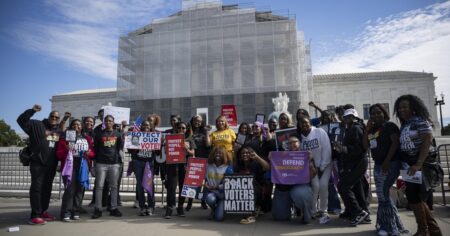
In response to mounting criticism of federal immigration enforcement, two prominent Democratic senators are taking legislative action to address what they see as a critical lack of accountability. Senator Elizabeth Warren of Massachusetts and Senator Chris Coons of Delaware unveiled new legislation on Thursday designed to create an independent watchdog organization specifically tasked with monitoring Immigration and Customs Enforcement (ICE) and Customs and Border Protection (CBP). The timing of this proposal is particularly significant, coming in the wake of two tragic incidents last month in Minneapolis where federal immigration agents fatally shot civilians during enforcement operations under the Trump administration’s intensified immigration crackdown. These shootings, which resulted in the deaths of U.S. citizens, have sparked widespread public outcry and renewed calls from lawmakers and advocacy groups for meaningful reforms to how immigration enforcement is conducted in communities across the country.
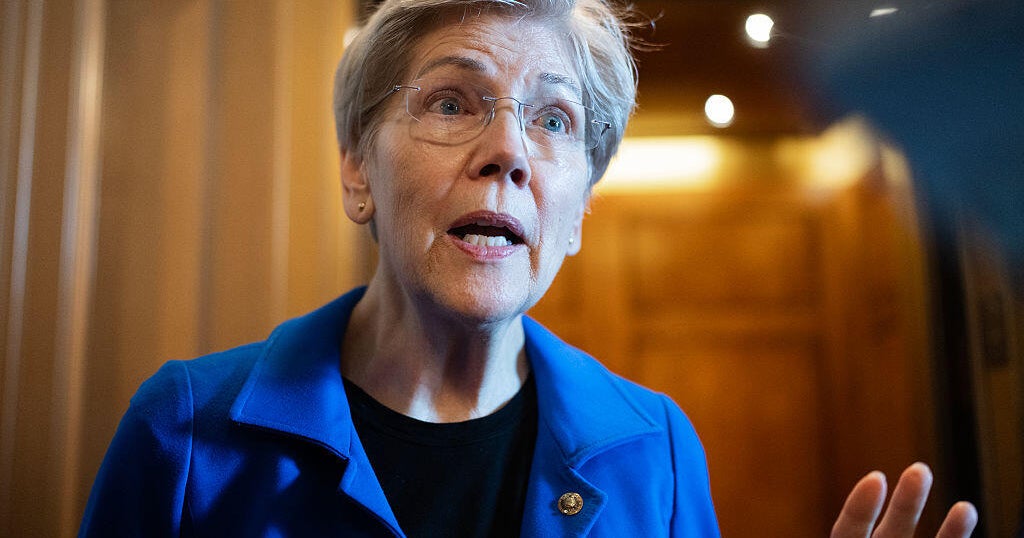
The proposed legislation, formally titled the ICE Accountability Act, represents a direct response to what many Democrats characterize as unchecked authority and inadequate oversight of federal immigration agencies. Senator Warren, known for her progressive stance on immigration issues, didn’t mince words in her statement to CBS News about the bill’s purpose. “After the Trump administration’s immigration agents shot and killed U.S. citizens, the American people are demanding accountability,” Warren declared. “This new bill will create the toughest independent watchdog to immediately rein in ICE’s terror and report directly to Congress.” Her strong language reflects the frustration many in her party feel about current enforcement practices. Warren further emphasized the urgency of the situation, stating, “The Senate must act now to stop ICE’s violence, and any new constraints on DHS funding must have serious teeth like this new independent monitor to enforce the law.” This push for accountability comes at a critical juncture, as Democrats have been leveraging their position in budget negotiations to demand substantive changes to immigration enforcement operations.
The Political Context: Budget Battles and Reform Demands
The introduction of this legislation isn’t happening in a vacuum—it’s part of a larger political standoff over Department of Homeland Security funding. For weeks now, Democratic lawmakers have been making it clear they won’t support DHS funding without significant reforms to how immigration enforcement agencies operate. This stance has created a pressing deadline, with current funding for the Department of Homeland Security—which oversees both ICE and CBP, including Border Patrol—set to expire on Saturday unless negotiators can reach an agreement. The Democrats’ willingness to potentially allow DHS funding to lapse demonstrates just how seriously they’re taking these reform efforts and how much political capital they’re prepared to invest in achieving meaningful change. In their negotiations with the White House, Warren and Coons are positioning this new bill not as a standalone measure, but as an essential enforcement mechanism that would work hand-in-hand with other reforms they’re demanding. It’s a strategic approach that combines immediate policy changes with long-term structural oversight to ensure those changes are actually implemented and maintained.
Beyond the specific provisions of the ICE Accountability Act, Democrats have been pushing for a comprehensive package of reforms that would fundamentally alter how immigration enforcement operates on the ground. These demands include practical measures like restricting immigration agents from wearing masks during operations, ensuring they clearly display identification, and mandating the use of body cameras to record their interactions with the public. Additionally, Democrats want to establish stronger protections for civil liberties by banning agents from entering private property without judicial warrants—a safeguard against what critics characterize as overly aggressive enforcement tactics. Perhaps most significantly, lawmakers are calling for the implementation of a “reasonable” use-of-force policy that would set clear boundaries on when and how agents can use physical force, while also empowering state and local jurisdictions to investigate and potentially prosecute cases involving excessive force. These reforms collectively aim to bring immigration enforcement more in line with standards that apply to other law enforcement agencies throughout the country.
How the Proposed Commission Would Work
The structure of the proposed monitoring commission reflects careful consideration of how to create truly independent oversight. Rather than placing the commission within the executive branch, where it might be subject to political pressure from the administration it’s meant to oversee, the bill would establish the commission within the legislative branch. This placement is intentional and significant—it would give Congress direct access to information about immigration enforcement operations while insulating the commission from influence by the Department of Homeland Security or the White House. The commission would be led by a nonpartisan executive director responsible for managing monitoring staff, ensuring that political considerations don’t color the commission’s findings. To further guarantee balanced oversight, four monitors would be selected through a joint process involving congressional leaders from both political parties, and these monitors would vote on the commission’s findings and recommendations. This bipartisan selection process is designed to build credibility for the commission’s work and make its conclusions harder to dismiss as partisan attacks.
Warren and Coons have been careful to distinguish their proposed commission from existing oversight bodies. While the Department of Homeland Security already has an Office of Inspector General, and while the Government Accountability Office conducts reviews of federal agencies, the senators argue that these existing mechanisms haven’t provided adequate oversight of immigration enforcement. The lawmakers drew comparisons to previous high-profile commissions that investigated matters of national importance, specifically citing the commission that examined the September 11th terrorist attacks and the panel that investigated the 2008 financial crisis. These comparisons serve two purposes: they elevate the perceived importance of immigration enforcement oversight to the level of other critical national issues, and they provide a template for how an independent, credible investigative body can function effectively. The commission would have substantial investigative powers, including the authority to conduct ride-alongs with immigration agents during operations, visit detention facilities to observe conditions firsthand, review body camera footage, examine civilian complaints, and access internal DHS documentation. To ensure transparency and public accountability, the bill would require the commission to produce monthly reports on its findings, hold public hearings, and maintain a publicly accessible website containing data on immigration operations. If the commission identifies violations of law or policy, the monitors would have the authority to seek judicial enforcement—giving the oversight body real teeth rather than merely advisory power.
The Case for Independent Oversight
Senator Coons emphasized that passing reform measures without establishing robust oversight would be an incomplete solution. “Reforms are meaningless without oversight and enforcement,” Coons stated, cutting to the heart of why this legislation matters. “By creating a strong, independent commission to oversee ICE and CBP, our bill is the next step towards ensuring American immigration enforcement abides by the laws and values of our country.” His argument rests on a simple premise: it’s not enough to establish new rules and policies if there’s no reliable mechanism to ensure those rules are actually followed in practice. Coons also pointed to successful examples of oversight at other levels of government, noting, “As we’ve seen in communities nationwide, independent oversight commissions for law enforcement work, and it’s just commonsense that those enforcing our immigration laws should meet the same standards.” This reference to civilian oversight boards and police accountability commissions that operate in many cities and states serves as a reminder that independent monitoring of law enforcement isn’t a radical concept—it’s an increasingly common practice that has proven effective in improving accountability and rebuilding community trust.
The arguments in favor of this kind of independent oversight extend beyond the immediate political controversy surrounding the Minneapolis shootings. Advocates for immigration reform have long pointed to what they see as a pattern of abuses and lack of accountability within immigration enforcement agencies. Reports of poor conditions in detention facilities, allegations of racial profiling, concerns about the treatment of asylum seekers, and questions about the use of force have accumulated over multiple administrations. While supporters of strict immigration enforcement argue that ICE and Border Patrol agents are doing difficult, dangerous work in challenging circumstances, critics counter that the lack of independent oversight has allowed problematic practices to persist without sufficient consequences or corrective action. The proposed commission would, in theory, provide a systematic way to document what’s actually happening in immigration enforcement, identify problems before they escalate into tragedies, and give policymakers the information they need to make evidence-based decisions about how these agencies should operate. For communities that have felt targeted by aggressive enforcement actions, the promise of independent oversight represents hope that their concerns will finally be taken seriously and that there will be consequences when agents violate people’s rights.
Looking Ahead: Challenges and Implications
Whether the ICE Accountability Act will become law remains uncertain, as it faces significant political obstacles despite Democratic control of key legislative positions. The bill will need to navigate a complex political landscape where immigration remains one of the most divisive and emotionally charged issues in American politics. Republicans have generally supported stronger immigration enforcement and may view this legislation as an attempt to hamstring agents trying to do their jobs, potentially arguing that additional oversight will make it harder for ICE and Border Patrol to effectively carry out their missions. The immediate question is whether provisions from this bill will be incorporated into the Department of Homeland Security funding agreement that must be reached by Saturday’s deadline. Even if the standalone bill doesn’t pass immediately, elements of it could become part of the broader negotiations over immigration enforcement reforms that Democrats are demanding as a condition for supporting DHS funding. The outcome of these negotiations will signal how much leverage Democrats actually have in this standoff and how willing the administration is to accept new constraints on immigration enforcement operations.
Regardless of this particular bill’s fate, the broader conversation it represents isn’t going away. The fundamental questions at the heart of this legislation—how much authority immigration enforcement agencies should have, what limits should constrain their actions, and who should oversee their operations—will continue to shape American political debates. The shootings in Minneapolis that prompted this legislative response have put a human face on abstract policy debates, reminding everyone that immigration enforcement involves real people in real communities, and that the consequences of inadequate oversight can be deadly. As the nation continues to grapple with questions about border security, immigration policy, and law enforcement accountability, proposals like the ICE Accountability Act represent one vision for how to balance the legitimate need for immigration enforcement with equally legitimate concerns about civil liberties, due process, and the prevention of abuses. Whether through this bill or through other reforms, the pressure for increased accountability and oversight of immigration enforcement agencies appears likely to persist, reflecting deeper questions about what kind of immigration system America wants and what values should guide how that system operates on a daily basis in communities throughout the country.