
Historic Slavery Exhibits Restored at Philadelphia’s President’s House After Federal Court Battle
A Victory for Historical Truth and Community Action
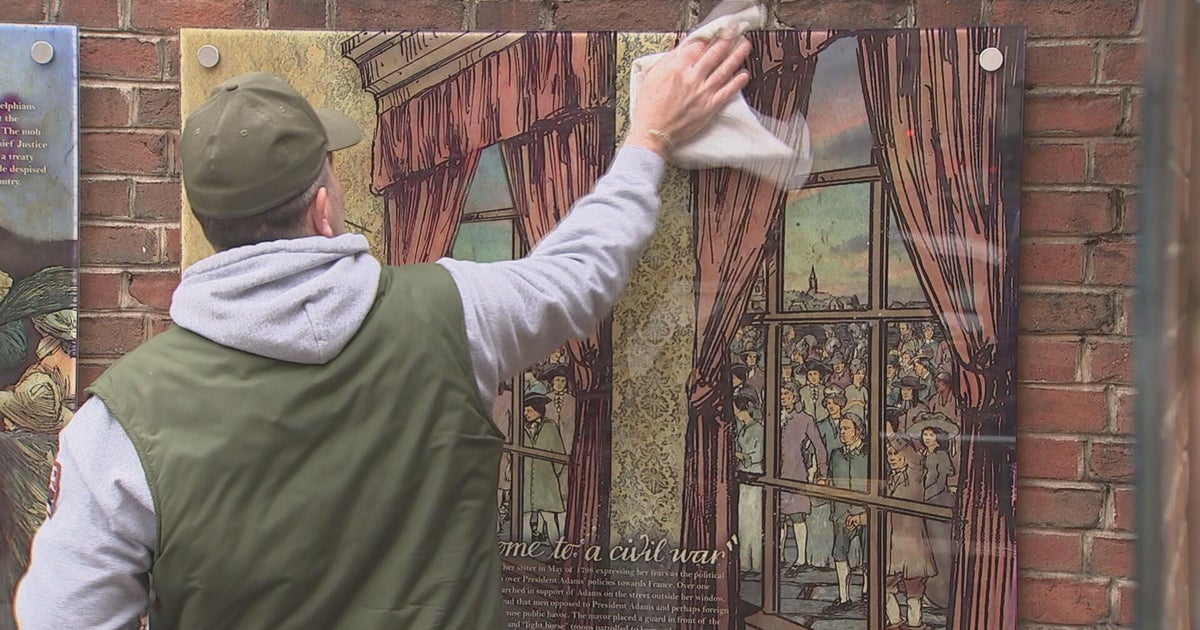
In a significant turn of events that has resonated across the nation, educational displays documenting the history of slavery at Philadelphia’s President’s House Site were reinstalled on Thursday, February 19th, bringing an end to a month-long controversy that sparked outrage among historians, activists, and city leaders. The National Park Service confirmed that the exact same plaques and informational materials that had been abruptly removed in January were carefully restored to their original positions at this important historic location. The reinstallation came just one day before a court-imposed deadline, following a federal judge’s stern warning that the Trump administration was not complying with her previous orders. Philadelphia Mayor Cherelle Parker made a brief but meaningful visit to the site to personally thank the National Park Service workers who undertook the careful work of restoring these important historical markers. In a statement released later that day, Mayor Parker expressed the city’s gratitude while acknowledging that the legal journey was far from over, promising to face any future challenges with the same determination and seriousness that had brought them to this victorious moment.
The Shocking Removal and Swift Legal Response
The controversy began on January 22, 2026, when the informational signs were removed from the President’s House Site with virtually no advance warning, catching city officials, historians, and community advocates completely off guard. The sudden disappearance of these educational materials, which told the stories of nine enslaved people who once lived and worked at the residence during the tenures of Presidents George Washington and John Adams, immediately sparked widespread concern and anger throughout Philadelphia and beyond. The city’s response was both swift and decisive—Philadelphia officials quickly filed a federal lawsuit demanding the restoration of the signs, arguing that their removal represented an unacceptable erasure of documented historical facts. The legal action gained substantial support from across Pennsylvania, with Governor Josh Shapiro and several surrounding suburban counties filing amicus briefs—legal documents submitted by parties not directly involved in the case but who have a strong interest in its outcome—in support of Philadelphia’s position. These supporters accused President Trump of attempting to “rewrite and whitewash” history, a serious charge that resonated with many Americans concerned about the accurate preservation and presentation of the nation’s complete historical narrative, including its most difficult and painful chapters.
The Court Battle and Judge’s Decisive Orders
As the legal battle unfolded throughout February, the case moved through the federal court system with increasing urgency. Earlier in the month, a judge issued an initial order requiring that all the removed exhibits and related materials be safely stored while the litigation continued, ensuring they would not be damaged or destroyed during the legal proceedings. Then, on February 16th, Judge Cynthia M. Rufe issued a more comprehensive order directing the Trump administration to restore the historic site to its exact condition before the signs were removed. Her order included specific requirements designed to protect the historical integrity of the site: federal officials were required to keep all materials safe and undamaged, and they were explicitly prohibited from installing any “replacement materials” without reaching a mutual agreement with the City of Philadelphia. This provision was particularly important, as it prevented the administration from substituting alternative narratives or interpretations without the city’s approval. The Trump administration responded the very next day by filing an appeal, with a Department of Interior spokesperson claiming that “updated interpretive materials providing a fuller account of the history of slavery at Independence Hall” would have been installed within days, though no specific details were provided about what these alternative materials would have contained or how they would differ from the original displays.
The Historical Significance and Executive Order Context
The removal of the slavery exhibits occurred nearly nine months after President Trump issued an executive order titled “Restoring Truth and Sanity to American History,” which set the stage for the controversial action at the President’s House Site. This historic location holds particular significance in American history as the former residence of both George Washington, the nation’s first president, and John Adams, the second president, during the period when Philadelphia served as the nation’s capital. The exhibits that were removed—and have now been restored—told the important but often overlooked stories of nine enslaved individuals who lived and worked at this residence during Washington’s presidency. These displays represented years of research, community input, and careful historical interpretation, designed to provide visitors with a complete and honest understanding of life at the President’s House, including the uncomfortable truth that the man revered as the father of the nation kept human beings in bondage even as he helped establish a country founded on principles of liberty and freedom. The educational materials served an essential purpose in helping modern Americans grapple with the contradictions and complexities of the nation’s founding era.
Community Celebration and Grassroots Activism
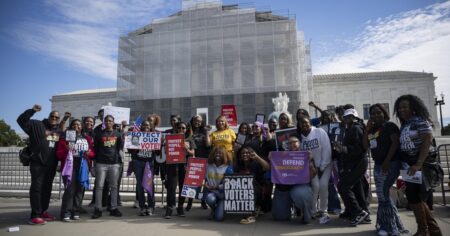
The restoration of the displays was celebrated by the Avenging The Ancestors Coalition (ATAC), an organization comprised of African American historians, activists, educators, and community members who had been at the forefront of the effort to have the slavery exhibit signage restored. This group, which had mobilized quickly after the initial removal, gathered at the President’s House on Thursday to mark what they considered a significant victory for historical truth and community action. Michael Coard, speaking on behalf of ATAC, expressed the group’s elation while maintaining a realistic perspective about the challenges ahead, noting that despite their court victory, they remained uncertain whether the administration would ultimately respect the legal decision. His comments reflected a broader concern among activists about the need to remain vigilant in protecting historical truth. The scene at the President’s House drew Philadelphians from across the city, some of whom arrived expecting to photograph bare walls as a form of protest, only to discover with surprise and joy that the displays had been restored. Mary Ann Cardillino, who had attended several rallies supporting the restoration and rushed to the site after her husband saw the news, became emotional while discussing the significance of the moment. For her and many others, this battle represented something much larger than a local dispute—it was about the fundamental principle that historical truth matters and that the nation must confront all aspects of its past, not just the comfortable or celebratory parts.
Looking Forward: Hope Mixed with Vigilance
As visitors returned to the President’s House Site on Thursday, the prevailing sentiment mixed relief and celebration with cautious optimism about the future. Fred Miller, another Philadelphia resident who visited the site that day, expressed his hope that the court’s decision would stand, bolstered by the widespread outrage that had erupted not just locally or nationally, but internationally when the displays were first removed. The reaction to the removal had indeed been swift and widespread, demonstrating that many people around the world were paying attention to how America chooses to present and preserve its history. Mayor Parker’s acknowledgment that “this is not the end of the legal road” reflects the reality that the Trump administration’s appeal means the battle over these displays may continue in higher courts. However, the city’s determination to “handle all legal challenges that arise with the same rigor and gravity” as they have demonstrated thus far sends a clear message that Philadelphia will not back down from defending historical truth and the right of its residents and visitors to understand the complete story of American history. This episode has become emblematic of larger national debates about how we remember and teach history, particularly regarding slavery and its lasting impact on American society, and whether we will choose to confront difficult truths or attempt to erase them from public view.