
Justice Department Investigates Southern Poverty Law Center Over Informant Program
Understanding the Investigation
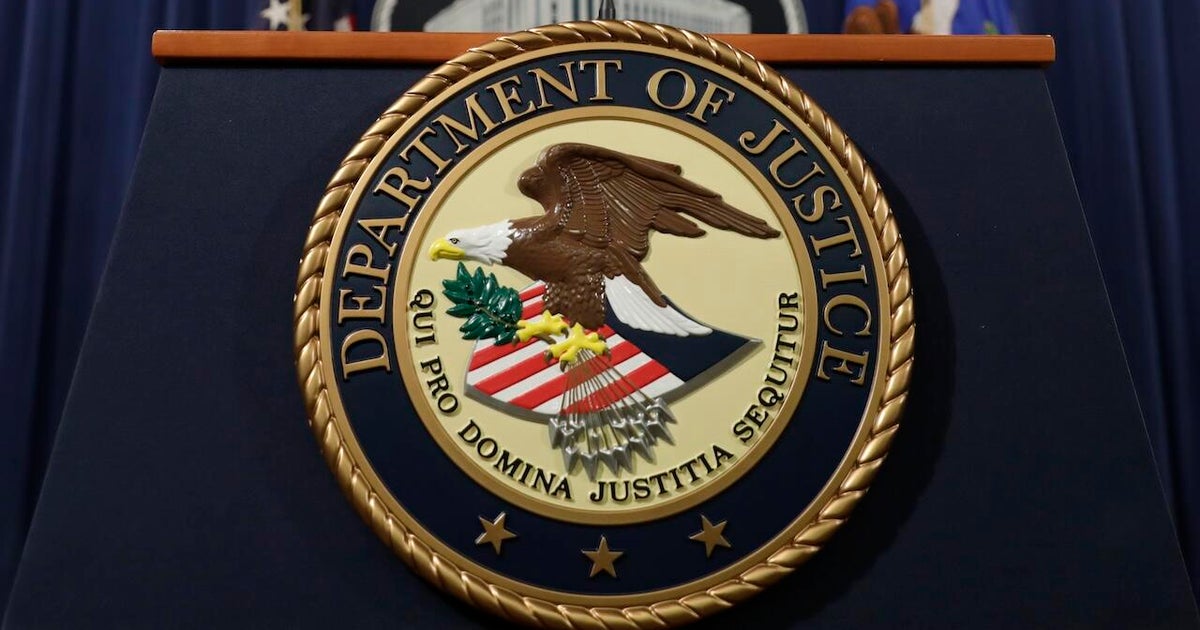
The U.S. Justice Department has launched an investigation into the Southern Poverty Law Center (SPLC), a well-known civil rights organization that monitors hate groups across America. According to sources close to the matter and a video statement released by the organization itself, the probe centers on a controversial program that’s no longer in operation—one that used paid confidential informants to gather intelligence on white supremacist organizations and other extremist groups. The investigation is being led by the U.S. Attorney’s Office for the Middle District of Alabama, which is where the SPLC is headquartered. This development represents a significant turn of events for an organization that has spent decades fighting against hate groups through litigation and public education. The timing of this investigation is particularly noteworthy given the current political climate and the SPLC’s history as a target of criticism from President Trump’s political allies and supporters.
The Organization’s Response and Justification
In a video statement released on Tuesday morning, SPLC CEO Bryan Fair addressed the investigation head-on, acknowledging that the Justice Department appears to be considering bringing criminal charges against both the organization as an entity and potentially against individual staff members connected to the informant program. Fair didn’t shy away from the facts, openly discussing the organization’s past use of paid informants to infiltrate violent extremist groups. However, he was careful to frame this practice within the context of the very real threats the organization has faced throughout its history. Fair emphasized that the use of informants wasn’t a casual decision but rather a necessary security measure born from decades of genuine danger. He pointed to a defining moment in the organization’s history—the 1983 firebombing of their offices—as evidence that these threats weren’t hypothetical but very real and potentially deadly. Since that terrifying incident, the SPLC has documented “countless credible threats” against their staff members, making security concerns an ongoing operational reality rather than an abstract possibility.
A History Shaped by Violence and Threats
The Southern Poverty Law Center’s security concerns aren’t paranoia or exaggeration—they’re rooted in a documented history of violence and intimidation. The 1983 firebombing that Fair referenced wasn’t an isolated incident but rather part of a pattern of hostility the organization has faced since its founding. For decades, the SPLC has been at the forefront of legal battles aimed at dismantling the Ku Klux Klan and other organized hate groups through the court system. This work, while critically important for civil rights, has made the organization and its staff targets for retaliation from the very groups they’ve worked to expose and dismantle. The organization’s litigation efforts have successfully bankrupted several hate groups and held them accountable for violence committed by their members. This aggressive legal strategy, while effective, has understandably made the SPLC deeply unpopular among white supremacists and other extremists. Fair explained that the informant program was implemented specifically in light of this dangerous work environment, with the primary goal being to protect both SPLC staff members and the general public from potential violence. Importantly, Fair noted that the intelligence gathered through these informants wasn’t kept secret but was regularly shared with law enforcement agencies, including local police departments and the FBI, suggesting a cooperative rather than rogue approach to security.
The Broader Context of Nonprofit Scrutiny
This investigation doesn’t exist in a vacuum but is part of what appears to be a broader Justice Department initiative targeting nonprofit organizations. Recent months have seen the department increase its scrutiny of nonprofits it alleges are involved with or provide funding for what it terms “domestic terrorism.” This expanded focus represents a significant shift in how the federal government approaches organizations operating in the civil society space, particularly those engaged in advocacy work or monitoring of extremist movements. However, it remains unclear whether the criminal investigation into the SPLC is directly connected to this larger initiative or if it’s a separate matter that happens to be occurring simultaneously. A spokesperson for the Southern Poverty Law Center has stated that the organization doesn’t know the specific legal theory the Justice Department is using as the basis for its investigation, which adds an additional layer of uncertainty to an already complex situation. This lack of clarity about the legal grounds for the investigation has raised questions among civil liberties advocates about whether the probe represents legitimate law enforcement concerns or something more politically motivated, especially given the SPLC’s history as a target of conservative criticism.
Political Dimensions and Implications
The political context surrounding this investigation cannot be ignored. The Southern Poverty Law Center has long been viewed as a lightning rod in American politics, praised by those who see it as an essential watchdog against hate groups while criticized by conservatives who argue it sometimes oversteps by labeling mainstream conservative organizations as hate groups. The organization has been a frequent target of President Trump’s allies, who have accused it of bias and questioned its methodology for designating hate groups. This political backdrop raises important questions about the timing and motivation behind the Justice Department’s investigation. While it’s crucial not to prejudge the investigation’s legitimacy—there may well be valid legal concerns about the informant program that need to be addressed—the optics are concerning to those who worry about the potential politicization of law enforcement. The fact that this probe is emerging during a period when the Trump administration and its allies have been particularly vocal in their criticism of organizations they view as part of the “deep state” or liberal establishment adds another layer of complexity to the situation.
Looking Forward: Questions and Concerns
As this investigation unfolds, numerous questions remain unanswered, and the implications for both the SPLC specifically and civil society organizations more broadly are significant. First and foremost, what exactly was the legal problem with the SPLC’s informant program? Organizations, including private entities, generally have the right to gather information about threats against them, so long as they don’t engage in illegal conduct in doing so. Was the issue related to how informants were recruited, what they were asked to do, how the information was used, or something else entirely? The Justice Department’s silence on its legal theory makes it impossible to evaluate the legitimacy of the investigation at this stage. Additionally, this case raises important questions about how nonprofits can protect themselves from violent threats while operating within legal boundaries. If an organization that has been firebombed and received countless death threats cannot use informants to monitor groups that pose potential dangers, what security measures are available to them? Furthermore, there are broader implications for press freedom and civil society. Journalists and researchers regularly use sources within organizations they’re investigating—is there a meaningful legal distinction between those practices and what the SPLC did? As the CBS News report notes, the Justice Department has been contacted for comment but has not yet responded publicly with details about the investigation. Until more information becomes available, the nonprofit sector, civil liberties organizations, and the public will be watching closely to see whether this investigation represents legitimate law enforcement or a concerning trend of government action against organizations engaged in controversial but constitutionally protected advocacy work. The outcome of this case could have far-reaching implications for how nonprofits operate, how they protect their staff from threats, and ultimately, how civil society functions in an increasingly polarized America.