


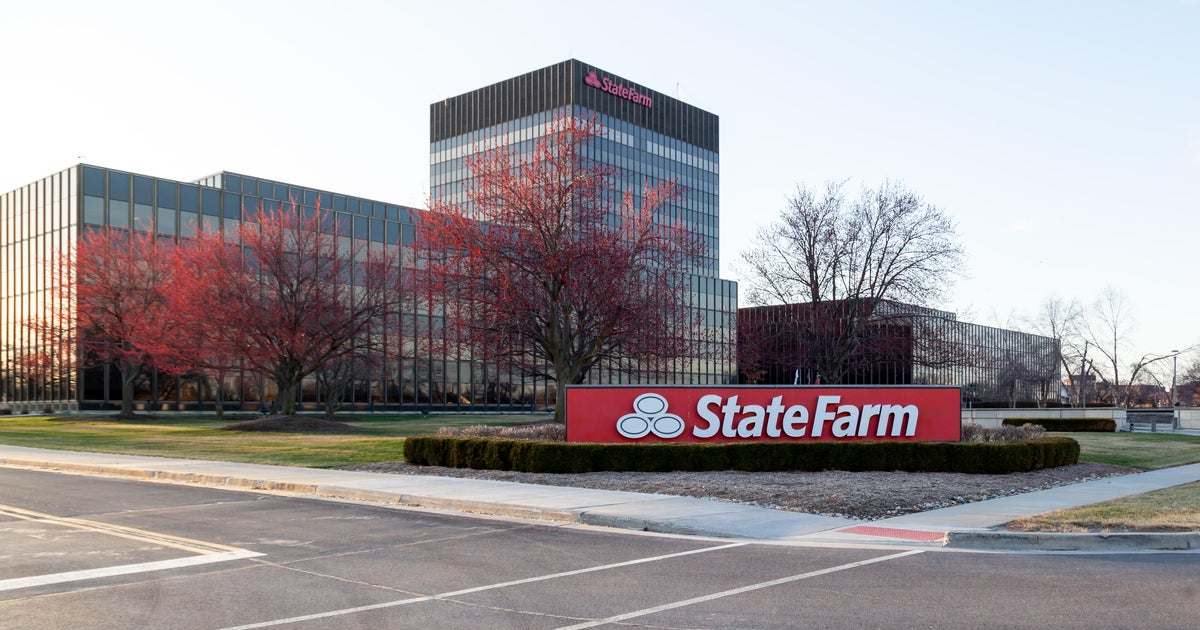

State Farm Announces Historic $5 Billion Refund to Auto Insurance Customers
Understanding the Largest Dividend in State Farm’s History
State Farm, one of America’s largest insurance providers, has made headlines with an announcement that will put money back into the pockets of millions of Americans. The company revealed plans to issue what it’s calling the largest dividend payment in its history—a staggering $5 billion total that will be distributed among its auto insurance policyholders. This means that customers insuring their vehicles with State Farm can expect to see an average refund of approximately $100 per vehicle returning to them this summer. The announcement affects policyholders of roughly 49 million vehicles across the country, representing a significant portion of American drivers who have chosen State Farm for their auto insurance needs. While the company has confirmed that these refunds will not be applied as credits to existing policies, specific details about the exact form these payments will take remain forthcoming, with State Farm promising to share more information in the coming months about how customers will receive their money.
What’s Behind the Massive Refund Initiative
The decision to return such a substantial amount of money to customers didn’t come out of nowhere—it’s rooted in State Farm’s better-than-anticipated financial performance in the auto insurance sector. The Bloomington, Illinois-based insurance giant pointed to two primary factors that made this historic refund possible. First, the company experienced “stronger than expected underwriting performance,” which essentially means that their predictions about claims, costs, and overall risk turned out to be more conservative than necessary, resulting in better profit margins than initially projected. Second, and perhaps more surprisingly in today’s economic climate, State Farm cited shrinking auto repair costs as a contributing factor. This is particularly noteworthy given that many industries have struggled with rising costs in recent years. The combination of these factors created a financial situation where State Farm found itself in a position to share its success with the very customers who made it possible, demonstrating a business model that prioritizes customer relationships alongside profitability.
How This Affects Individual Policyholders
While the $100 per vehicle figure represents an average, it’s important for State Farm customers to understand that their individual refund amount may vary, sometimes significantly. The company has indicated that the exact payment each policyholder receives will depend on several personalized factors. Geographic location plays a role, as insurance costs and therefore potential refunds differ based on where someone lives—factors like local accident rates, weather patterns, theft statistics, and state regulations all influence insurance pricing in different regions. Additionally, individual premium amounts will affect refund calculations, meaning someone who pays higher premiums might see a larger refund than someone with lower premiums. This personalized approach to calculating refunds reflects the reality that not all policyholders contribute equally to the company’s overall performance, and the refund structure attempts to distribute the dividend in proportion to each customer’s relationship with the company. For families with multiple vehicles insured through State Farm, this could mean several hundred dollars returning to their household budget—a welcome financial boost for many American families navigating today’s economic uncertainties.
State Farm’s Market Position and Customer Base
To truly appreciate the scale of this refund program, it helps to understand State Farm’s massive footprint in the American insurance landscape. The company isn’t just a major player—it’s one of the dominant forces in the industry, serving nearly 97 million policyholders across various insurance products. While State Farm is perhaps best known for auto insurance, the company’s portfolio extends beyond vehicles to include homeowners insurance, renters insurance, and small business coverage, making it a one-stop insurance provider for many Americans. This diversified approach has helped the company maintain stability even when individual insurance sectors face challenges. The decision to refund $5 billion specifically to auto insurance customers, rather than spreading it across all policy types, suggests that the auto insurance division performed particularly well, outpacing expectations even as other segments of the business continued their normal operations. This massive customer base of nearly 100 million policyholders also speaks to the trust Americans place in the State Farm brand, which has built its reputation over decades through its familiar “Like a good neighbor, State Farm is there” messaging and extensive network of local agents who provide personalized service in communities across the nation.
A Growing Trend in the Insurance Industry
State Farm’s announcement doesn’t exist in isolation—it’s part of a broader trend among insurance companies to return value to customers when financial performance exceeds expectations. This movement toward customer refunds and rate reductions gained significant momentum during the COVID-19 pandemic when driving patterns changed dramatically, resulting in fewer accidents and claims. While we’re now well past the peak pandemic period, some insurers are continuing to find ways to share their success with policyholders. A notable example is USAA, the insurance provider that serves members of the military, veterans, and their families. In January, USAA announced that it had delivered an impressive $3.8 billion in total savings to its customers throughout the previous year. While that figure represents a different structure than State Farm’s dividend (USAA’s savings came through various mechanisms including refunds, dividends, and rate reductions), it demonstrates that major insurers are recognizing the value of returning excess profits to customers rather than simply banking them as corporate gains. This trend is particularly meaningful for consumers who have watched insurance premiums rise in recent years, often feeling powerless in the face of increasing costs. These refund programs represent a counterbalance, showing that when companies perform well, customers can benefit directly from that success.
What This Means for Consumers and the Future
For the millions of State Farm auto insurance customers who will receive these refunds, the immediate impact is clear—unexpected money returning to their bank accounts or mailboxes this summer. For a family insuring two or three vehicles, this could mean $200-$300 in returned premiums, money that can help with everything from summer vacation expenses to back-to-school shopping or simply padding an emergency fund. Beyond the immediate financial impact, however, this announcement carries broader implications for how consumers think about insurance and how they evaluate their coverage providers. It serves as a reminder that insurance companies, despite their size and corporate structure, can operate with customer interests in mind, and that shopping around for insurance isn’t just about finding the lowest initial premium—it’s also about finding a company that will treat you fairly over the long term. The fact that State Farm cited declining auto repair costs as one factor enabling these refunds is particularly interesting, as it suggests that innovations in vehicle safety, repair technology, or supply chain management may be creating efficiencies that benefit everyone in the insurance ecosystem. Looking forward, consumers might wonder whether this represents a one-time windfall or the beginning of a new normal where insurance companies more regularly return excess profits to policyholders. While it’s too early to say definitively, the combination of State Farm and USAA both making major refund announcements suggests that customer expectations may be shifting, potentially pressuring other insurers to follow suit when their financial performance allows. For now, State Farm customers can look forward to their refunds arriving this summer, while the rest of the insurance industry watches to see whether this historic dividend sets a new standard for how insurers share success with the customers who make it possible.