


Markets Rally as Trump Delays Iran Deadline: A Reprieve from Economic Crisis
A Monday Morning Turnaround
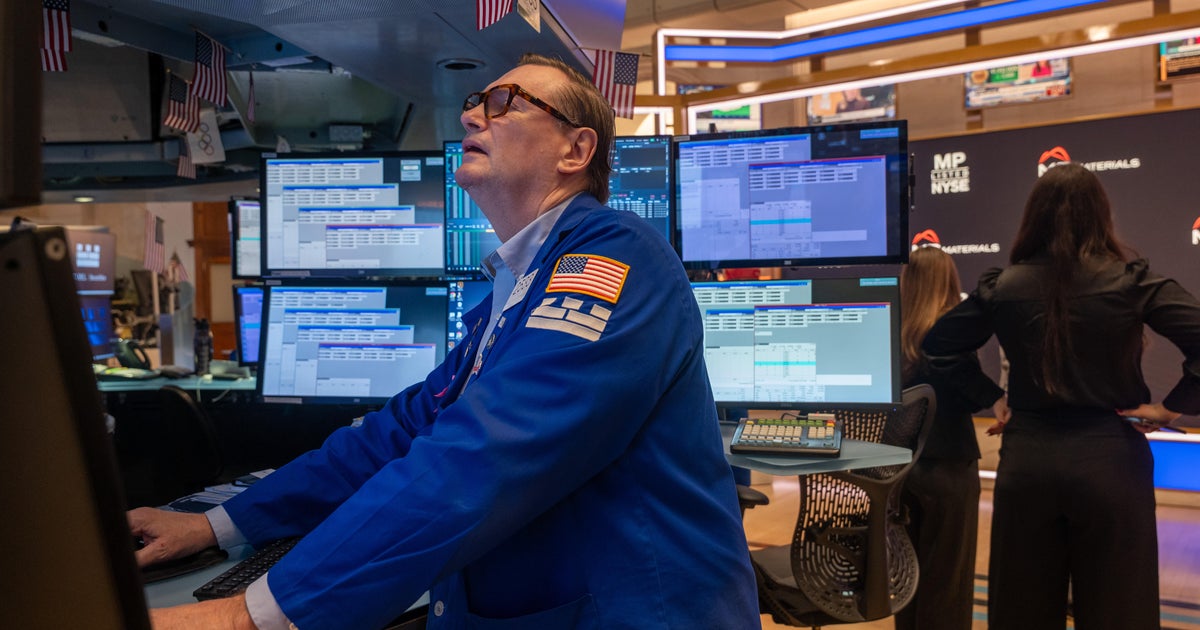
Wall Street woke up to unexpected good news on Monday morning, as investors breathed a collective sigh of relief following President Trump’s decision to postpone his ultimatum to Iran regarding the Strait of Hormuz. What started as a gloomy pre-market session quickly transformed into optimism, with both the S&P 500 and Dow Jones Industrial Average futures climbing 1.6% in early trading. This marked a dramatic reversal from the nearly 1% decline that futures had indicated just hours earlier, before the President took to social media to announce the delay. The announcement highlighted that the United States is currently engaged in what Trump described as “good and productive” negotiations with Tehran, offering a glimmer of hope that a diplomatic solution might be within reach. This sudden shift in tone represented a significant de-escalation in what had become an increasingly tense standoff between the two nations, one that had threatened to plunge the global economy into chaos.
Oil Markets Respond with Sharp Declines
The immediate impact of Trump’s announcement was perhaps most visible in the oil markets, where prices plummeted as quickly as they had surged in recent weeks. Both Brent crude, which serves as the international benchmark for oil prices, and West Texas Intermediate, the U.S. standard, dropped by a substantial 6.2% following the news. This sharp decline reflected traders’ relief that the immediate threat to global energy supplies had been temporarily averted. However, despite this significant single-day drop, oil prices remain approximately 45% higher than they were before the Iran conflict erupted in late February, a sobering reminder of how quickly geopolitical tensions can disrupt global markets. The Strait of Hormuz, which sits at the center of this crisis, is a critical chokepoint for global energy supplies, with roughly 20% of the world’s oil passing through its narrow waters. Any prolonged closure or military conflict in this region would have devastating consequences for the global economy, making Trump’s decision to delay military action particularly significant for markets and consumers alike.
The Escalating Crisis and Its Origins
The tensions that brought the world to the brink of a potentially catastrophic conflict had been building for weeks. President Trump had previously set a hard deadline of Monday night for Iran to reopen ship traffic through the Strait of Hormuz, issuing stark warnings that he would “obliterate” Iran’s power plants if the country refused to comply. Iran, unwilling to back down in the face of such threats, responded with equally aggressive rhetoric, warning that it would target U.S. and Israeli energy and infrastructure assets throughout the region. The situation had become a dangerous game of brinkmanship, with neither side appearing willing to be the first to stand down. On Monday morning, however, Trump announced that the United States would hold off on strikes against Iranian power plants and other energy infrastructure for five days, providing a crucial window for diplomatic efforts to gain traction. This temporary reprieve has given investors and world leaders alike hope that a peaceful resolution might still be possible, though the underlying tensions remain unresolved.
Economic Implications and Expert Analysis
Financial analysts have been quick to weigh in on what this development means for the broader economy and markets. Adam Crisafulli, head of Vital Knowledge and a respected Wall Street analyst, provided a particularly insightful perspective in a research note to investors. He observed that “the global economy was teetering on the edge of a precipice the likes of which Trump had never encountered during either of his two terms (worse than COVID and worse than the tariffs), and his instinct for self-preservation is too great to deliberately drive off the cliff.” This analysis suggests that Trump’s decision may have been motivated as much by economic concerns as by military or diplomatic considerations. The potential fallout from a full-scale conflict with Iran would have dwarfed even the economic disruptions caused by the COVID-19 pandemic or the various trade wars of recent years. Crisafulli’s assessment reflects a growing consensus among economists that the world narrowly avoided what could have been a devastating blow to an already fragile global economy.
The Real-World Impact on American Consumers
While Wall Street celebrates and oil traders adjust their positions, everyday Americans continue to feel the pain of elevated energy prices in their daily lives. According to AAA, Americans are currently paying an average of $3.96 per gallon for gasoline, representing an increase of more than one dollar per gallon compared to just one month ago. This sharp rise in fuel costs has a ripple effect throughout the economy, affecting everything from the cost of groceries to the price of manufactured goods, as transportation expenses increase across the supply chain. For many families already struggling with inflation and stagnant wages, this additional burden on household budgets has been significant. The sustained elevation in oil prices, even with Monday’s decline, means that these higher costs are likely to persist for some time. Even if the conflict were to end immediately, the economic disruptions caused by weeks of uncertainty and supply concerns would continue to reverberate through the system, affecting prices and economic activity for months to come.
Looking Ahead: Cautious Optimism with Lingering Concerns
While Monday’s news has provided markets with a much-needed boost and offered hope for a diplomatic resolution, analysts are tempering their optimism with realism about the challenges that remain. Crisafulli noted that the economic fallout from this crisis is likely to linger even if fighting were to end today, acknowledging that the damage done to confidence, supply chains, and energy markets cannot be instantly reversed. However, he also pointed out that “at least now there is a line of sight toward resolution,” suggesting that the five-day pause in military threats provides a genuine opportunity for diplomacy to work. The coming days will be critical as negotiators attempt to find common ground between the two nations. Investors will be watching closely for any signs that talks are progressing or, conversely, that the situation is deteriorating once again. The volatility seen in both stock and oil markets over the past few weeks demonstrates just how sensitive global markets have become to developments in this crisis. As we move forward, the key question remains whether this temporary de-escalation can be transformed into a lasting solution, or whether it merely represents a brief pause in an inevitable escalation. For now, markets are choosing to embrace the positive news, but the underlying uncertainty suggests that volatility is likely to remain elevated until a more permanent resolution is reached.