
U.S. Military Strikes Against Alleged Drug Smugglers: A Controversial Campaign
The Latest Attack and Rising Death Toll
The United States military continued its aggressive stance against suspected drug trafficking operations on Sunday, carrying out a lethal strike on a vessel in the eastern Pacific Ocean that resulted in the deaths of six individuals. This attack represents just one incident in a much larger campaign that has escalated dramatically since early September under the Trump administration’s directive to combat what officials term “narcoterrorism.” The death toll from these operations has now reached a staggering 157 people, spread across more than 40 documented strikes in waters throughout the Eastern Pacific Ocean and Caribbean Sea. U.S. Southern Command, which oversees military operations in Central and South America, issued a statement characterizing the targeted vessel as part of known drug-smuggling routes, though notably, the military provided no concrete evidence that the particular boat destroyed on Sunday was actually transporting narcotics. As has become typical practice, the military posted video footage on social media platform X showing the small boat being obliterated by an explosion while floating on the ocean’s surface—a stark visual representation of the administration’s hardline approach to interdicting suspected drug trafficking operations at sea.
Trump’s Justification and Regional Military Cooperation
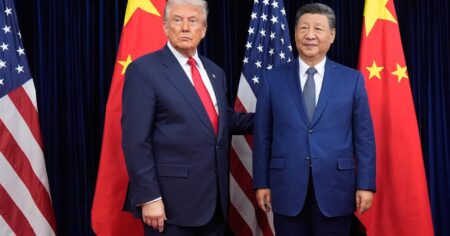
President Trump has framed these aggressive military actions within the context of what he describes as an “armed conflict” with drug cartels operating throughout Latin America. In his view, these strikes represent a necessary escalation of force required to effectively stem the tide of illegal drugs flowing into the United States, which continues to face a devastating opioid crisis claiming tens of thousands of American lives annually. The administration’s rhetoric positions these operations as defensive measures protecting American citizens from the deadly consequences of the drug trade. On Saturday, Trump met with leaders from various Latin American nations, using the gathering as an opportunity to encourage regional partners to join the United States in taking direct military action against drug-trafficking cartels and transnational criminal organizations. During these discussions, Trump emphasized that these groups pose what he characterized as an “unacceptable threat” to national security throughout the Western Hemisphere. His message was clear: this is a regional problem requiring a coordinated regional response, with the United States taking the lead in demonstrating the kind of forceful action Trump believes is necessary. As evidence of this cooperative approach, Ecuador and the United States jointly conducted military operations during the past week specifically targeting organized crime groups operating within Ecuadorian territory, demonstrating that at least some regional partners are willing to align with the Trump administration’s aggressive posture.
Strategic Focus Despite Global Conflicts
The Saturday gathering of Latin American leaders served an important symbolic purpose for the Trump administration, demonstrating that despite being simultaneously engaged in military operations against Iran that have created significant repercussions across the Middle East, the president remains committed to prioritizing U.S. foreign policy attention and military resources toward the Western Hemisphere. This dual focus presents a complex challenge for American military and diplomatic resources, but Trump’s message was clear: the drug war in Latin America remains a top priority regardless of other global commitments. By convening regional leaders specifically to discuss cartel violence and drug trafficking while American forces are actively engaged in conflict elsewhere, Trump sought to reassure both domestic and international audiences that the administration hasn’t lost sight of what it views as critical security threats originating close to home. This hemispheric focus represents a continuation of campaign promises to address immigration and drug trafficking as primary national security concerns, with Trump arguing that instability and criminal violence in Latin America directly threaten American communities through both drug flows and migration pressures.
Mounting Criticism Over Legality and Effectiveness
Despite the administration’s confident assertions about the necessity and legality of these operations, the boat strike campaign has generated substantial controversy and criticism from multiple quarters. Legal experts, human rights organizations, and political opponents have raised serious questions about whether these attacks comply with international law and established rules of engagement. The fundamental concern revolves around the legal authority under which the U.S. military is conducting what are essentially targeted killings in international waters or the territorial waters of sovereign nations, often without clear evidence that the individuals being killed are actually engaged in criminal activity at the moment of the strike. Beyond the legal questions, critics have challenged the strategic effectiveness of targeting small vessels at sea when the evidence clearly shows that fentanyl—the synthetic opioid responsible for the majority of fatal drug overdoses in the United States—is typically trafficked overland from Mexico rather than by sea. The fentanyl crisis involves drugs manufactured in Mexican laboratories using precursor chemicals imported primarily from China and India, then smuggled across the southern border through established land routes. This reality raises questions about whether destroying boats in the Pacific and Caribbean actually addresses the primary pathways through which the deadliest drugs enter the United States, or whether these strikes represent more of a symbolic show of force rather than an effective interdiction strategy.
The Controversy Over Killing Survivors
The criticism of these operations intensified dramatically following revelations about the circumstances surrounding the very first boat attack conducted under this campaign. Reports emerged that after the initial strike disabled a vessel and left survivors in the water, U.S. forces conducted a follow-up attack that killed those who had survived the first strike. This revelation sparked outrage and raised profound moral and legal questions about the rules of engagement governing these operations. For survivors clinging to wreckage or floating in the ocean after their vessel was destroyed, the follow-up strike eliminated any possibility of rescue, surrender, or due process. The Trump administration and Republican lawmakers who support the aggressive anti-cartel campaign defended these actions as both legal and necessary, arguing that individuals engaged in drug trafficking as part of cartel operations represent ongoing threats that justify lethal force. They contend that the “narcoterrorist” designation places these individuals in a category similar to enemy combatants in armed conflict, thereby justifying military rather than law enforcement responses. However, Democratic lawmakers and numerous legal experts condemned these killings in much harsher terms, with some characterizing them as murder and others suggesting they could potentially constitute war crimes under international humanitarian law, which generally prohibits attacking individuals who are hors de combat—meaning those who are wounded, shipwrecked, or otherwise incapacitated and pose no immediate threat.
Broader Implications and Unanswered Questions
The ongoing campaign of strikes against suspected drug-trafficking vessels raises fundamental questions about the direction of U.S. counter-narcotics policy and the appropriate use of military force in what has traditionally been considered a law enforcement matter. The Trump administration’s approach represents a significant departure from previous policies that emphasized interdiction, arrest, prosecution, and international cooperation through judicial channels. By treating suspected drug traffickers as enemy combatants subject to lethal military force rather than as criminals to be apprehended and tried, the administration has fundamentally reframed the drug war in ways that carry significant legal, diplomatic, and humanitarian implications. The lack of transparency surrounding these operations—including the absence of evidence publicly presented to verify that targeted vessels were actually carrying drugs—further fuels concerns about accountability and the potential for tragic mistakes. As the death toll continues to climb, the pressure will likely increase on the administration to provide more detailed justification for these operations, including intelligence assessments, legal opinions, and evidence of effectiveness in actually reducing drug flows into the United States. The international community will also be watching carefully to see whether other nations follow the U.S. example in militarizing their responses to drug trafficking, potentially setting precedents that could reshape how countries approach transnational crime. With 157 lives already lost and operations continuing, the debate over whether this approach represents justified action against dangerous criminals or an extrajudicial killing campaign will likely intensify in the coming months.