
Texas Primary Elections 2026: A Battle for Political Future
The High-Stakes Senate Battle in Texas
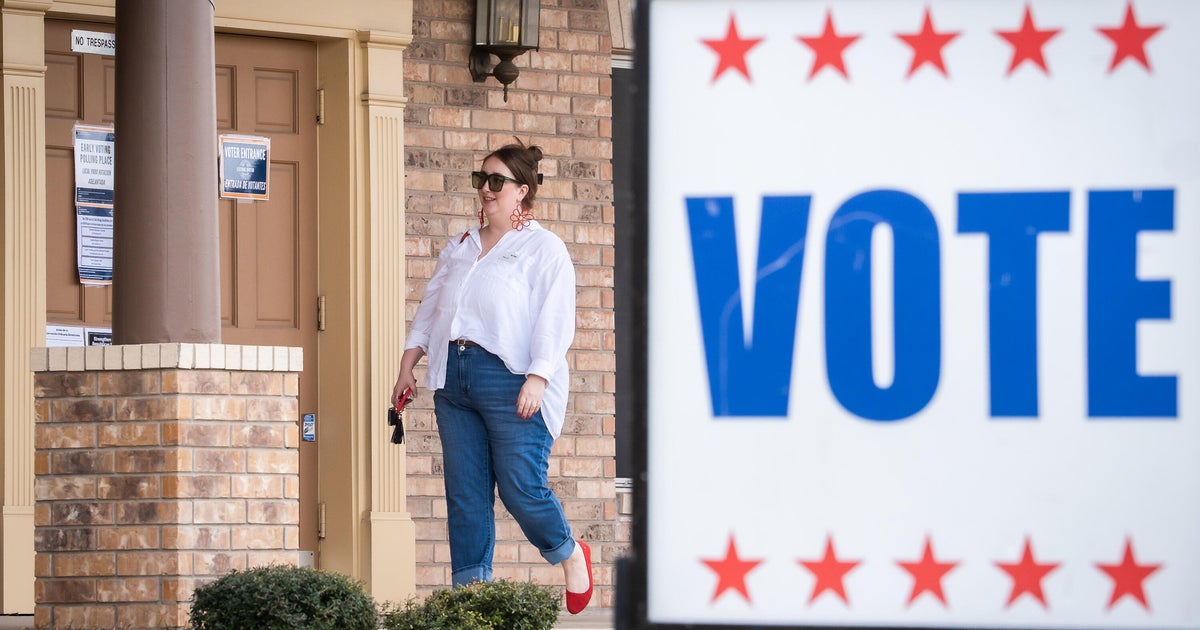
Tuesday’s primary elections across three states represent a pivotal moment in American politics, with Texas emerging as the epicenter of dramatic political upheaval. The Lone Star State’s Senate race has captured national attention as four-term Republican incumbent Senator John Cornyn faces what could be a career-ending primary challenge from the state’s controversial Attorney General Ken Paxton. This clash represents more than just a typical political contest—it’s a battle for the soul of the Republican Party in Texas and potentially a turning point for Democrats who haven’t won a statewide office since 1994. The primaries in Texas, North Carolina, and Arkansas will set the stage for what promises to be one of the most consequential midterm elections in recent memory, with implications that could reshape the political landscape well beyond these three states.
The Republican primary has descended into chaos as Paxton, who was impeached by the Texas House in 2023 before being acquitted by the state Senate, launched his challenge against Cornyn with inflammatory rhetoric accusing the longtime senator of betraying President Trump and the America First movement. Adding to the turbulence, Republican Congressman Wesley Hunt entered the race as a late challenger, positioning himself as the candidate of generational change and criticizing Cornyn’s 24-year tenure in the Senate. The fragmented Republican field makes a runoff between the top two finishers in late May highly likely, raising the shocking possibility that Cornyn—a well-established Washington leader and the first elected Senate incumbent at risk of losing renomination since 2012—might not even make it to that second round. Nearly a year of campaigning and millions of dollars in political spending has created a bitter atmosphere where Cornyn has warned that Paxton at the top of the ticket would create an “Election Day massacre” for Republicans across the ballot, potentially breaking the GOP’s three-decade winning streak in statewide Texas elections.
Democrats Face Their Own Identity Crisis
While Republicans battle each other, Democrats are experiencing their own tumultuous primary that could determine whether they can capitalize on the GOP’s internal strife. The Democratic Senate primary has evolved into a “progressive versus progressive” showdown between State Representative James Talarico and U.S. Representative Jasmine Crockett, who announced her late challenge in December. This contest has become a flashpoint over fundamental questions of electability and messaging strategy in a state where Democrats have steadily lost ground and influence. Talarico has framed his campaign around economic populism, declaring that “the biggest divide in our country is not left versus right, it’s top versus bottom,” while arguing that billionaires want Americans fighting among themselves rather than looking up at the powerful elite. Crockett, meanwhile, has positioned her campaign around reaching “people who’ve been ignored, bullied, or pushed out of the process,” attempting to build a coalition of the politically marginalized.
The tension between these two candidates reveals deeper anxieties within the Democratic Party about how to win in places like Texas that have rejected their brand over the past decade. Adding intrigue to the race, some Republicans have openly cheered Crockett’s candidacy, viewing her as potentially easier to defeat than Talarico in the general election—a dynamic that has created awkward optics for her campaign. After Democrats’ devastating losses in the 2024 presidential election, where they lost the Senate, the White House, and failed to retake the House, party strategists recognize that their path back to power must run through states that have been alienated by progressive messaging. Tuesday’s primary results, particularly how Texas’s large and politically influential Latino population votes, may provide crucial insights into what form of Democratic messaging can succeed in winning back disaffected voters in conservative-leaning states. The outcome here could set templates for Democratic campaigns nationwide as the party attempts to rebuild its coalition.
Texas House Races Reflect Broader Republican Turmoil
The chaos at the top of the ticket has trickled down to several competitive House primaries where incumbent Texas Republicans face challenges that could reshape the state’s congressional delegation. In the 23rd congressional district, GOP Representative Tony Gonzales is fighting for political survival against Brandon Herrera, a far-right challenger he narrowly defeated in 2024. Gonzales’s situation has become more precarious due to misconduct allegations involving a staffer who later died by suicide, creating a cloud of controversy that his opponent has attempted to exploit. In the 2nd district, incumbent Republican Congressman Dan Crenshaw faces a primary challenge from State Representative Steve Toth in what has become a proxy battle within the Republican establishment. Notably, President Trump has not endorsed Crenshaw, while his challenger enjoys support from Senator Ted Cruz, highlighting the fractured nature of Texas Republican politics and the competing power centers vying for control of the party’s direction.
The Republican-led redistricting effort in Texas, which deliberately targeted five Democratic seats to make them more favorable to the GOP, has created unintended consequences by forcing several notable Democratic primaries. In the 18th district, incumbent Democratic Representative Al Green is running against Congressman Christian Menefee, who recently won a special election, creating an unusual situation where two sitting members of Congress compete for the same seat. Redrawn congressional boundaries also pushed Texas Democratic Representative Julie Johnson to seek a different seat, where she now faces Collin Allred, a former congressman who came up short in his 2024 Senate challenge against Ted Cruz. In south Texas’s conservative-leaning 15th congressional district, famous Tejano musician Bobby Pulido is contending with a more liberal-focused challenge from Ada Cuellar, representing the cultural and ideological diversity within the Texas Democratic coalition. These House races demonstrate how redistricting—intended to benefit one party—can create competitive intra-party battles that reshape political careers and test different approaches to winning in an evolving electoral landscape.
North Carolina’s Critical Senate Battleground Takes Shape
Beyond Texas, North Carolina’s Tuesday primaries are setting the stage for what political observers expect to be one of the most crucial and expensive Senate races in the 2026 midterms. Former Democratic Governor Roy Cooper represents his party’s most straightforward opportunity to flip a Republican-held Senate seat, bringing name recognition, proven statewide appeal, and a moderate political brand that has succeeded in this purple state. While Cooper faces a handful of lesser-known challengers in the Democratic primary, none are expected to mount serious competition against the well-funded former governor. On the Republican side, Michael Whatley—who left his position as chairman of the Republican National Committee specifically to run for this Senate seat—enjoys President Trump’s endorsement and faces his own field of primary opponents who lack his institutional support and national profile.
The North Carolina Senate race is already attracting massive political spending commitments from both parties, recognizing that control of the Senate could hinge on this competitive battleground state. However, the state is also witnessing a potentially explosive congressional primary in a safe Democratic seat that could preview broader tensions within the party. Federal election records show major outside money flowing in to support incumbent Representative Valerie Foushee as she faces a progressive challenge from candidate Nida Allam in a Durham-area district. This primary represents the first major 2026 midterm tension point between established Democrats in safe blue seats and younger party members who argue that Democrats need to fight more aggressively and embrace more progressive positions. The outcome may signal whether the Democratic base is satisfied with incremental approaches or hungry for more confrontational politics—a question with implications far beyond this single congressional district.
Arkansas Primaries and National Implications
Arkansas is also holding primary contests on Tuesday, though these races have attracted less national attention than the dramatic battles unfolding in Texas and North Carolina. Nevertheless, the Arkansas primaries contribute to the broader national picture as both parties prepare for midterm elections that will determine the balance of power in Congress and set the trajectory for the 2028 presidential race. The collective results from Tuesday’s three-state primary day will provide the first substantial evidence of voter sentiment in the 2026 cycle, offering clues about which messages resonate, which candidate profiles succeed, and how the political landscape has shifted since the tumultuous 2024 presidential election.
The stakes of Tuesday’s primaries extend well beyond the immediate question of which candidates advance to general elections. These contests are fundamentally about the future direction of both major political parties—whether Republicans will continue down the populist, Trump-aligned path or return to more traditional conservatism, and whether Democrats can find a winning formula in states that have rejected their recent messaging. For Texas Democrats, breaking their 32-year statewide losing streak would represent a monumental breakthrough with national reverberations. For Texas Republicans, losing that streak—or even coming close—would trigger soul-searching about whether their internal battles have made them vulnerable in what was once considered reliably red territory. As voters head to the polls in Texas, North Carolina, and Arkansas, they’re not just choosing candidates—they’re shaping the political narratives, strategies, and coalitions that will define American politics for years to come. The results will be scrutinized by political professionals nationwide seeking insights into the evolving American electorate and the pathways to victory in an increasingly polarized political environment.