
Texas Congressman Tony Gonzales Announces Sudden Retirement Amid Personal Scandal and Looming Expulsion Vote
A Career Cut Short Under Difficult Circumstances
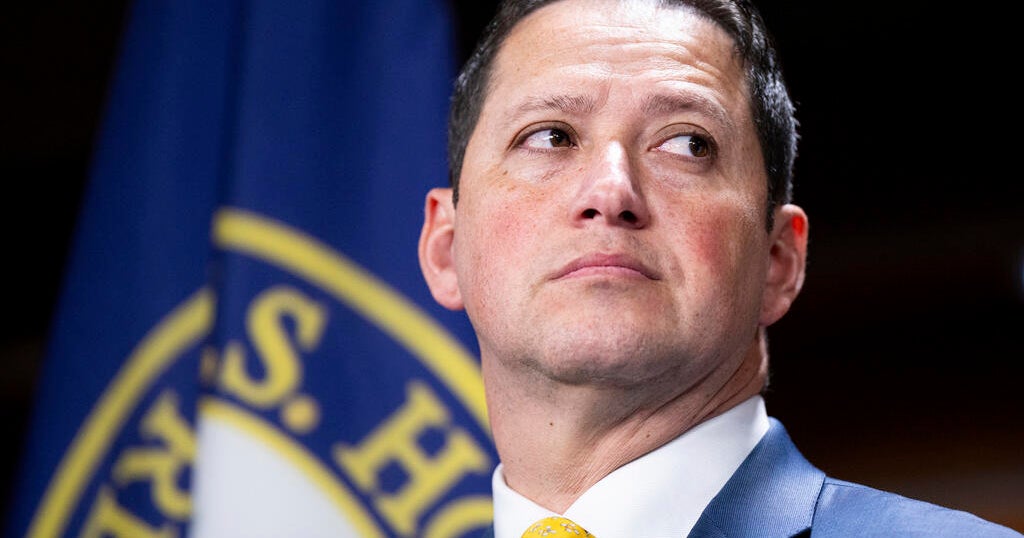
In a stunning turn of events that has sent shockwaves through the political landscape, Republican Representative Tony Gonzales of Texas announced his retirement from Congress on Monday. The announcement comes at a particularly tumultuous time for the congressman, as he faces an imminent expulsion vote that would have forced him from office regardless. The timing of his decision—just days before Congress was set to vote on his removal—marks a dramatic conclusion to what had been a promising political career. “When Congress returns tomorrow, I will file my retirement from office,” Gonzales stated, bringing an abrupt end to his tenure representing Texas’s 23rd Congressional District. His departure leaves a significant void in the representation of one of the nation’s largest and most diverse congressional districts, stretching from San Antonio to El Paso along the U.S.-Mexico border.
The circumstances surrounding Gonzales’s retirement are deeply troubling and tragic. The expulsion vote he was facing stems from revelations about an extramarital affair he had with a member of his congressional staff. The situation took an even more devastating turn when the staffer involved later died by suicide, adding a layer of profound tragedy to an already difficult situation. While the specific details of the relationship and the timeline of events have not been fully disclosed publicly, the seriousness of the matter was grave enough that his colleagues in the House of Representatives were prepared to take the extraordinary step of voting to expel him from Congress. Expulsion from Congress is an exceptionally rare occurrence in American political history, reserved for only the most serious violations of conduct and ethical standards. The fact that such a vote was even being considered underscores the gravity of the situation and the deep concerns about Gonzales’s conduct.
Understanding the Significance of Congressional Expulsion
To fully grasp the magnitude of what Gonzales was facing, it’s important to understand just how rare and serious congressional expulsion is in the American political system. Throughout the entire history of the United States Congress, only a handful of members have ever been expelled from either the House of Representatives or the Senate. The Constitution grants each chamber of Congress the power to expel its own members, but requires a two-thirds vote to do so—a deliberately high threshold that ensures this dramatic action is only taken in the most egregious circumstances. Most of the historical expulsions occurred during the Civil War era when members were removed for supporting the Confederacy. In modern times, expulsions have been even more rare, with members typically choosing to resign before such a vote can take place, precisely as Gonzales has now done.
The move toward expulsion in Gonzales’s case signals that his colleagues, including many from his own Republican Party, viewed his conduct as sufficiently serious to warrant this extreme measure. The decision to pursue expulsion rather than lesser disciplinary actions like censure or reprimand indicates that House leadership and members believed his actions had fundamentally compromised his ability to serve and had brought discredit upon the institution of Congress itself. By choosing to retire before the expulsion vote could take place, Gonzales has avoided the historic stain of being formally expelled from Congress, though the circumstances of his departure will inevitably define his legacy. This pattern—of members resigning just before expulsion votes—is actually quite common in congressional history, as it allows the departing member to retain at least some control over their exit and avoid the permanent historical record of expulsion.
The Human Tragedy at the Heart of the Story
Beyond the political and procedural aspects of this story lies a profound human tragedy that cannot be overlooked. At the center of these events is a person who lost their life—a congressional staffer whose relationship with Gonzales ended in the most tragic way possible with their death by suicide. While respecting the privacy of the deceased and their family, it’s important to acknowledge that this situation represents a devastating loss of life and immeasurable grief for loved ones. The power dynamics inherent in a relationship between a member of Congress and a staffer raise serious ethical concerns, as such relationships involve an inherent imbalance of power and authority that can make genuine consent complicated. Congressional offices are workplaces like any other, and employees deserve to work in environments free from inappropriate relationships with their superiors.
The tragic death by suicide adds another layer of complexity and sorrow to this situation. While we cannot and should not speculate about the specific factors that contributed to this person’s decision to end their life—as suicide is almost always the result of multiple complex factors including mental health struggles—the timing and context naturally raise questions that have clearly weighed heavily on Gonzales’s colleagues as they considered how to respond. The mental health crisis in America affects millions of people, and suicide remains one of the leading causes of death, particularly among certain age groups. If you or someone you know is struggling with suicidal thoughts, the National Suicide Prevention Lifeline (988) provides free, confidential support 24 hours a day, seven days a week. This tragedy serves as a painful reminder of the importance of mental health awareness, support systems, and the need for appropriate boundaries and ethical conduct in all workplace environments, including in the halls of Congress.
Political Implications and What Comes Next
Gonzales’s sudden retirement creates immediate political ramifications for Texas and the balance of power in the House of Representatives. Texas’s 23rd Congressional District, which Gonzales represented, is one of the most competitive and closely watched districts in the country. Stretching across a vast swath of territory along the U.S.-Mexico border, the district has historically been a swing district, changing hands between Republicans and Democrats multiple times over the past two decades. Gonzales first won the seat in 2020, positioning himself as a more moderate Republican voice on certain issues, particularly immigration, given the unique character and needs of his border district. His departure now means that Texas Governor will need to call a special election to fill the vacancy, a process that will likely take several months and will temporarily reduce Republican representation in the House.
The timing of this vacancy is particularly significant given the narrow margins by which the House of Representatives currently operates. Every single seat matters when it comes to passing legislation and maintaining majority control, and the loss of even one member can affect the ability of the majority party to advance its agenda. Beyond the immediate partisan implications, Gonzales’s departure also raises broader questions about accountability, ethics, and workplace conduct in Congress. While members of Congress are subject to ethics rules and guidelines regarding relationships with staff members, enforcement of these rules has historically been inconsistent, and many observers have long called for stronger protections for congressional employees. This situation may renew calls for reform of how Congress handles ethical violations and protects the wellbeing of the thousands of staffers who work in congressional offices across Capitol Hill and in district offices throughout the country.
A Broader Conversation About Power and Responsibility
The situation with Representative Gonzales invites a broader and necessary conversation about the responsibilities that come with political power and public service. When citizens elect representatives to serve in Congress, they entrust those individuals with enormous authority and responsibility—not just to vote on legislation and represent their constituents’ interests, but also to uphold the dignity and integrity of democratic institutions. This includes maintaining appropriate professional relationships, exercising sound judgment, and creating work environments where staff members are treated with respect and proper boundaries are maintained. The power imbalance between elected officials and their staff is significant; staffers often feel their career advancement depends on maintaining good relationships with their bosses, which can make it difficult to refuse unwanted advances or to report inappropriate conduct.
Congress has grappled with these issues before, most notably during the #MeToo movement when numerous allegations of sexual harassment and misconduct by members of Congress came to light. In response, Congress did pass some reforms to its process for handling harassment complaints and made it easier for victims to come forward without fear of retaliation. However, many advocates argued these reforms didn’t go far enough and that the culture of Congress still too often protects powerful members at the expense of vulnerable staff. The Gonzales situation, while unique in its tragic outcome, highlights the ongoing need for robust ethical standards, clear enforcement mechanisms, and a culture that prioritizes the wellbeing and safety of all congressional employees. Moving forward, this incident should prompt serious reflection among congressional leaders about what additional steps might be necessary to prevent similar situations and to ensure that those who serve in Congress understand and respect the tremendous responsibility that comes with their position.
Conclusion and Reflection
As this story continues to develop and more information potentially comes to light, the departure of Representative Tony Gonzales from Congress serves as a sobering reminder of how personal conduct and ethical lapses can bring even promising political careers to abrupt and unfortunate ends. For Gonzales, a career in public service that included military service before his election to Congress has now concluded under circumstances that will inevitably overshadow his legislative accomplishments and constituent service. For the staffer who lost their life, this tragedy represents an irreplaceable loss that extends far beyond politics—a life cut short, a family and friends left grieving, and potential unfulfilled. For the institution of Congress, this situation presents yet another test of its ability to hold its members accountable while also serving as a catalyst for examining whether current ethical standards and protections are sufficient.
As Texas’s 23rd District prepares for a special election to choose new representation, and as Congress moves forward without Gonzales in its ranks, the lessons from this difficult situation should not be forgotten. The power entrusted to elected officials comes with profound responsibilities—not just to vote on bills and represent constituents, but to conduct themselves in ways that honor the public trust and that treat all people, especially those who work for them, with dignity and respect. The tragic loss of life at the center of this story should give everyone pause and should remind us that behind every political scandal are real people whose lives are forever affected by the choices and actions of those in positions of power. Moving forward, perhaps this tragedy can at least serve as a catalyst for meaningful change in how Congress addresses ethical conduct, protects vulnerable employees, and holds its members accountable to the high standards that public service demands.