
The Mystery of the Disappearing Epstein Files: What’s Really Going On at the DOJ?
A Shocking Discovery in Government Archives
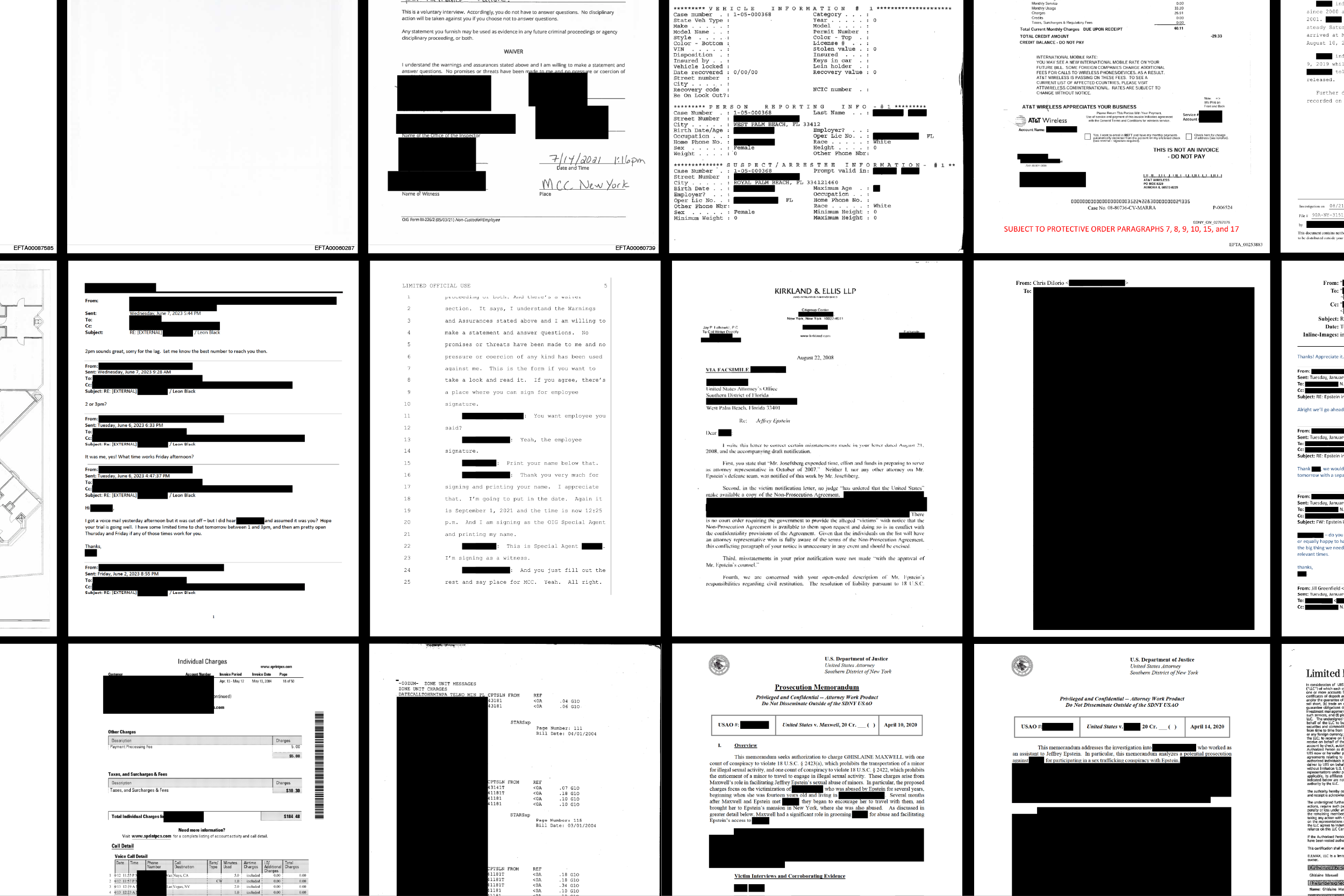
In what can only be described as deeply troubling for anyone concerned about government transparency and accountability, the United States Department of Justice has quietly removed a staggering amount of documentation related to the Jeffrey Epstein case from public access. We’re not talking about a few misfiled documents or minor administrative cleanup—over 65,000 pages of files that were once available to the public have simply vanished from the DOJ’s systems. This revelation raises profound questions about what information the American people are being denied access to and why a case that captivated global attention and implicated numerous powerful individuals is being systematically obscured from public view. The Epstein scandal, which involved allegations of sex trafficking, abuse of minors, and connections to some of the world’s most influential figures, demands the highest level of transparency, not bureaucratic obfuscation.
The sheer scale of this removal cannot be overstated. When government agencies release documents to the public, particularly in cases of such monumental public interest, there’s an implicit understanding that this information becomes part of the historical record—a check on power and a resource for journalists, researchers, and concerned citizens trying to understand what happened and how justice was or wasn’t served. To have such a massive volume of documentation quietly disappear raises red flags that even the most trusting citizen cannot ignore. What was in those 65,000 pages? Who made the decision to remove them? Was this done through proper channels with appropriate oversight, or did someone within the department decide that the public had seen enough? These questions demand answers, yet the DOJ has offered little in the way of explanation for why such a substantial portion of the Epstein files has been pulled from public access.
Understanding the Significance of What Remains
The documents that do remain accessible tell only part of the story—a story that was already controversial, disturbing, and filled with unanswered questions even when more information was available. Jeffrey Epstein’s crimes, his connections to prominent figures in politics, business, entertainment, and academia, and the suspicious circumstances surrounding his death in federal custody have fueled countless investigations, both official and independent. The files that remain paint a picture of systemic failure, possible corruption, and a justice system that appeared to give preferential treatment to a wealthy predator for years before his final arrest. But with more than 65,000 pages now missing, we have to wonder what additional context, evidence, or damning information has been removed from public scrutiny.
What makes this situation even more concerning is the timing and manner of these removals. There has been no major press conference announcing a review of the documents for national security purposes, no court order that we know of demanding their removal, and no clear legal justification provided to the American people. The files have simply been disappearing, noticed only by vigilant researchers and journalists who have been tracking the case closely. This pattern suggests a deliberate effort to limit what information flows to the public—a deeply undemocratic approach to handling a case that has profound implications for understanding how power, wealth, and influence can corrupt justice. The remaining files, while valuable, now represent an incomplete record, leaving researchers and the public to wonder what crucial pieces of the puzzle have been hidden away.
The Broader Implications for Transparency and Justice
This mass removal of Epstein-related documents fits into a troubling pattern we’ve seen in recent years where government agencies increasingly limit public access to information that should, by all reasonable standards, be available in a democratic society. The Freedom of Information Act was designed specifically to prevent this kind of information hoarding, to ensure that citizens could hold their government accountable and understand the actions taken in their name. When files related to a case as significant as Epstein’s disappear without adequate explanation, it erodes public trust not just in the DOJ, but in the entire system of justice and government transparency.
Consider what we already know about the Epstein case even with the limited information that has been made public. We know that he received an extraordinarily lenient plea deal in Florida that allowed him to avoid serious federal charges despite overwhelming evidence of his crimes. We know that this deal was orchestrated in ways that kept his victims in the dark and prevented them from having their voices heard in court. We know that powerful people visited his properties, flew on his private aircraft, and maintained relationships with him even as rumors of his predatory behavior circulated for years. And we know that his death in federal custody, officially ruled a suicide, occurred under circumstances that have never been adequately explained, with security camera footage mysteriously malfunctioning and guards failing to perform required checks. Each of these elements of the story demands full transparency, yet instead we’re seeing the documentary record shrink rather than expand.
What This Means for Victims and the Public’s Right to Know
Perhaps the most heartbreaking aspect of these disappearing files is what it means for Epstein’s victims—the women and girls who suffered abuse and have fought courageously to have their stories heard and to see justice served, even imperfectly, in the aftermath of Epstein’s death. These survivors have already been failed repeatedly by systems that should have protected them. They were failed when Epstein first escaped serious consequences. They were failed when he was allowed to continue his pattern of abuse for years after that initial lenient plea deal. And they were denied the opportunity to see him face full accountability when he died in custody. Now, with crucial documents being removed from public access, there’s a real concern that the full truth of what happened, who knew what, and who might have been complicit will never be fully understood.
The victims of this case deserve better. They deserve a complete and transparent accounting of how Epstein operated, who enabled him, and how the justice system failed them so profoundly. The removal of these documents doesn’t just affect researchers or journalists—it directly impacts the survivors’ ability to understand and tell their own stories within the broader context of Epstein’s criminal enterprise. When 65,000 pages of documentation disappear, we have to assume that at least some of that material contains information relevant to understanding the full scope of what these women and girls endured and how many people might have been involved or complicit. By limiting access to this information, the DOJ is effectively closing doors that should remain open for the sake of historical accuracy, accountability, and the dignity that victims deserve in having their truth fully acknowledged.
The Questions That Demand Answers
As citizens of a democracy, we have every right to demand answers about what’s happening with these files. Who authorized the removal of more than 65,000 pages of documentation? What was the stated justification for making these files inaccessible? Were there legitimate legal or security concerns, or was this decision based on protecting reputations and avoiding embarrassment for powerful individuals? Was there oversight from outside the DOJ, or did the department act unilaterally? These aren’t trivial questions about administrative procedures—they strike at the heart of whether our justice system operates with integrity and transparency or whether it can be manipulated to protect the privileged.
Furthermore, we need to understand what mechanisms exist to challenge this kind of document removal and to push for restoration of public access. If the DOJ can simply decide to pull tens of thousands of pages from public view in a case this significant without clear justification or consequences, what prevents this from happening in other cases? What precedent does this set for future attempts to limit transparency? Congressional oversight committees should be demanding answers and holding hearings to understand what’s happening and why. Journalists should be filing FOIA requests and legal challenges. And the public should be making it clear that this kind of opacity is unacceptable when it comes to cases involving alleged crimes against children, connections to powerful figures, and questions about how justice is administered based on wealth and influence.
Looking Forward: The Fight for Transparency Continues
Despite the discouraging reality that so much documentation has been removed, there are still avenues for pursuing truth and accountability. The files that remain, though incomplete, still contain valuable information that researchers, journalists, and advocates continue to examine and analyze. Legal challenges can be mounted to demand the restoration of the removed files or at least a clear explanation for their removal. Victims and their advocates can continue to speak out and demand that their stories be heard and that the full truth be uncovered. And the public can refuse to let this case fade from memory or attention, maintaining pressure on government officials and agencies to operate with the transparency that democracy requires.
The Epstein case represents so much more than one man’s crimes, as horrific as those crimes were. It represents questions about systemic failures, about how wealth and power can corrupt justice, about who gets protected and who gets sacrificed, and about whether our institutions can be trusted to operate in the public interest rather than to shield the powerful from accountability. The removal of more than 65,000 pages of files is not just an administrative matter—it’s a threat to our ability to understand these deeper issues and to prevent similar failures in the future. We owe it to Epstein’s victims, we owe it to ourselves as citizens, and we owe it to the principles of justice and transparency that should define our democracy to keep asking questions, demanding answers, and refusing to accept that some truths are simply too inconvenient to be known. The fight for access to these files and for full transparency in the Epstein case must continue, because the alternative—accepting that powerful institutions can simply hide information that’s inconvenient—is far too dangerous to contemplate.