


Separating Fact from Fiction: Debunking the Most Viral Epstein Conspiracy Theories
The Challenge of Truth in the Age of AI and Social Media
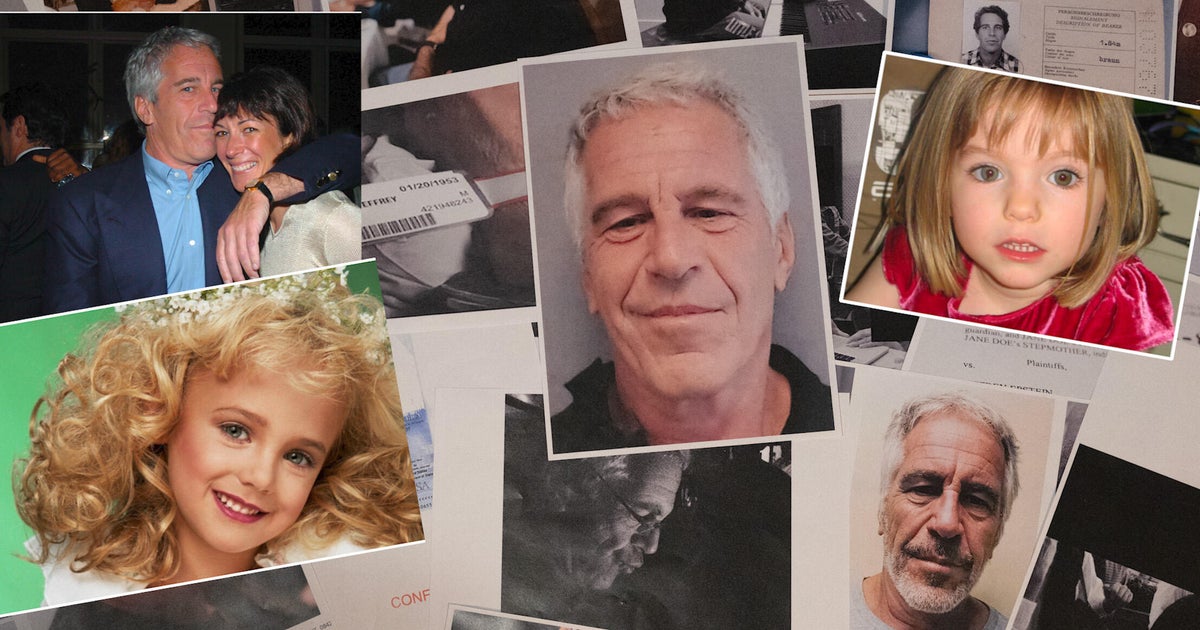
In today’s digital landscape, conspiracy theories spread faster than wildfire, and the recent release of the Epstein files has ignited a particularly intense inferno of speculation across social media platforms. With millions of views on outlandish claims and AI-generated content becoming increasingly sophisticated, distinguishing reality from fabrication has become extraordinarily challenging for average users. The CBS News Confirmed team undertook the crucial task of investigating the most viral conspiracy theories surrounding Jeffrey Epstein and Ghislaine Maxwell, examining claims that connect them to everything from unsolved disappearances to global pandemics. What they discovered is a fascinating—and somewhat disturbing—portrait of how misinformation thrives in our current media environment, where genuine questions about accountability can become entangled with completely baseless accusations that ultimately distract from seeking real answers about documented crimes.
The proliferation of these theories reveals something deeper about our cultural moment: a widespread distrust of official narratives combined with the technological capability to create convincingly fake evidence. When legitimate concerns about justice and transparency exist alongside fabricated photos and manipulated videos, the public’s ability to hold powerful people accountable becomes compromised. The Epstein case, with its genuine mysteries and documented connections to powerful figures, provides fertile ground for speculation. However, when that speculation crosses into fantasy disconnected from evidence, it ultimately serves no one except those who benefit from confusion and misdirection. Understanding what’s real and what isn’t requires patience, critical thinking, and a willingness to follow evidence rather than emotions—skills that feel increasingly rare in our instant-reaction social media culture.
Debunking Claims About Epstein’s Death and Alleged Survival
Perhaps the most persistent conspiracy theory suggests that Jeffrey Epstein didn’t actually die in his Manhattan jail cell in August 2019, but instead faked his death and is living freely in Israel. This theory gained traction through several pieces of supposed “evidence” that quickly fell apart under scrutiny. Photos circulating on social media appeared to show Epstein walking through Tel Aviv surrounded by bodyguards, but investigation revealed obvious signs of AI generation—including a visible Gemini AI watermark and fake street signs reading nonsensical names like “Haangus Ev.” Yet these images were shared thousands of times by people eager to believe the narrative they supported, demonstrating how confirmation bias can override critical observation.
The theory expanded to include claims about Epstein’s Fortnite account becoming active after his death. This speculation stemmed from documents showing a YouTube account “littlestjeff1” registered to Epstein’s email, along with a separate redacted email referencing a VBucks purchase (Fortnite’s in-game currency). Social media users made the logical leap that Epstein must have used the same username on Fortnite, and when a Fortnite account with that name appeared active in 2025, conspiracy theorists claimed vindication. However, Fortnite itself debunked this claim, confirming that someone simply changed their existing username to “littlestjeff1” after the files were released and that no account associated with Epstein’s email addresses exists in their system. When scrutiny intensified, the account went private—a move that only fueled more speculation, despite the mundane explanation.
Skeptics also pointed to photographs of Epstein’s body released by the Metropolitan Correctional Center, claiming facial features didn’t match earlier photos of him alive. While some differences are visible, forensic experts explain that post-mortem changes including swelling and tissue breakdown can alter appearance. CBS News compared images from 2004 through 2019 and identified numerous consistent features: curly gray hair, dark bushy eyebrows, deep-set smile lines, a distinctive chin line, and specific wrinkles and indentations. Research published by the National Institutes of Health indicates that certain facial creases remain resilient to post-mortem bloating and can be used for identification. Most conclusively, the New York City Chief Medical Examiner ruled the death a suicide by hanging, and a forensic pathologist hired by Epstein’s brother confirmed that fingerprints on the body matched those taken during Epstein’s 2006 arrest in Florida. Despite this overwhelming evidence, the theory persists—a testament to how difficult it is to counter emotionally compelling narratives with factual information.
False Connections to Famous Unsolved Cases and Disappearances
The release of Epstein files triggered a disturbing wave of speculation attempting to connect him to several high-profile unsolved cases involving missing or murdered children. One particularly viral theory linked Epstein to JonBenet Ramsey, the six-year-old beauty pageant contestant murdered in her Boulder, Colorado home in 1996. The “evidence” consisted of a photograph from Epstein’s Manhattan townhouse showing a young girl on his shoulders wearing a jumper similar to one worn by JonBenet in a well-known photo. However, this clothing item was a generic piece that would have been worn by countless children during that era. There’s no credible evidence connecting Epstein to JonBenet’s death, and her father, John Ramsey, publicly responded to the viral theory by telling TMZ there is “absolutely no truth to it.” Yet the theory continued spreading, demonstrating how pattern-seeking behavior can create meaningful connections from coincidental similarities.
Similarly, social media users attempted to link Ghislaine Maxwell to the 2007 disappearance of Madeleine McCann, a three-year-old British girl who vanished while on vacation with her parents in Portugal. Viral videos highlighted supposed resemblance between Maxwell and a composite sketch of a woman of interest released by private detectives in 2009. The sketch depicted a woman seen in Barcelona three days after McCann’s disappearance, but photographs of Maxwell from May 2007—when McCann disappeared—show Maxwell had consistently longer hair than the person in the sketch. Conspiracy theorists also pointed to a tip submitted to the FBI in 2009 by a U.K. resident claiming to have seen Maxwell with McCann. While this tip does appear in the released files, it’s an unverified public submission, not a confirmed sighting. The Department of Justice explicitly noted that released files “may include fake or falsely submitted images, documents or videos, as everything that was sent to the FBI by the public was included.”
Supporters of this theory also shared surveillance footage purporting to show a woman resembling Maxwell walking with a child who might be McCann shortly after her disappearance. While the video itself is authentic footage from the time period, there’s no concrete evidence identifying either the woman or child as Maxwell and McCann. These theories are particularly harmful because they divert attention from actual investigative leads in unsolved cases, redirect public outrage toward baseless speculation, and cause additional pain to families still seeking answers about their missing loved ones. The eagerness to connect Epstein and Maxwell to every tragic mystery reflects a desire to create a comprehensive narrative of evil—an understandable impulse given the documented scope of their crimes, but one that ultimately undermines rather than supports justice.
Misinformation About Maxwell’s Current Status and Appearance
Following Ghislaine Maxwell’s February 2026 deposition, conspiracy theories emerged claiming that the woman who appeared wasn’t actually Maxwell but a lookalike who had been swapped in her place. Proponents of this theory pointed to perceived differences in her facial features and voice compared to earlier footage. However, CBS News conducted a detailed comparison of Maxwell’s appearance in images from 2015, 2016, and 2020 with the 2026 deposition footage, identifying numerous consistent features: dark thin eyebrows, slightly protruding ears, thin lips with a distinctive shape at rest, and hair with a rounded shape and defined indent. Some users claimed her voice sounded different, but videos from depositions in 2015 and 2016 show she spoke with a similarly soft tone in formal legal settings.
Maxwell’s attorney, David Oscar Markus, directly addressed the conspiracy theory, confirming that his client attended the deposition and explaining the changes in her appearance: “Yes, that was Ghislaine in the House Oversight photo. Sigh. Jail is crushing and remember she was in torturous conditions—including sleep deprivation—back in New York. There are a lot of conspiracy theories out there but this one might be in the hall of fame.” Maxwell has been incarcerated since her July 2020 arrest and is currently serving a 20-year prison sentence following her conviction. The Federal Bureau of Prisons’ inmates database lists her, her siblings have consistently posted about her imprisonment, and there’s simply no credible evidence supporting the body-double theory.
Shortly after these claims gained traction, an AI-generated video began circulating showing a woman with Maxwell’s recognizable facial features but gray hair, supposedly standing on a street in Canada. Investigation revealed it was an AI face swap, and when contacted, the video’s creator admitted to making satire content that was then reposted and misinterpreted: “Never meant for it to escalate the way it did! My intent was to make satire content but people reuploaded and interpreted the video without checking with me first, purposefully misleading people for engagement.” This incident perfectly illustrates how content created as obvious parody can be stripped of context and presented as evidence, and how the profit motive of social media engagement drives the spread of misinformation. When creators benefit from views regardless of accuracy, and when audiences are primed to believe sensational claims, the ecosystem naturally produces and amplifies falsehoods.
Baseless Theories Connecting Epstein to Pandemics, Terrorism, and Other Crimes
Among the more outlandish theories circulating online is the claim that Epstein somehow orchestrated the COVID-19 pandemic. This theory stems from an email forwarded to Epstein in 2015 with the subject line “Preparing for pandemics,” which included an attachment related to a meeting in Geneva about pandemic preparedness. Conspiracy theorists connected this to Epstein’s documented relationship with Bill Gates—who has himself been the subject of numerous COVID-related conspiracy theories—and the Gates Foundation’s role as a major WHO donor and funder of BioNTech, which helped develop the first COVID-19 vaccine. However, global discussions about pandemic preparedness are routine among public health professionals and have been occurring for decades, long before COVID-19 emerged. There’s zero evidence that Epstein had any foreknowledge of the pandemic or played any role in its development or response.
The theory became even more bizarre with claims that COVID vaccines contained Epstein’s DNA as part of some nefarious plot. These posts alleged that Epstein conspired with vaccine developers to use vaccinations as a “delivery system with some of his own DNA”—a claim so scientifically nonsensical that it barely warrants refutation. Some users who posted about this rumor later clarified they weren’t stating it as fact, but by then the idea had already spread to audiences who didn’t see those clarifications. This demonstrates how easily speculation can morph into accepted “truth” within online communities where critical examination is discouraged and questioning the narrative is seen as defending wrongdoers.
Similarly baseless is the theory connecting Ghislaine Maxwell to the September 11, 2001 terrorist attacks, based on emails sent to her in the days following the attacks. One email from September 18, 2001, asks “Where is the real pilot?” without context—a question that additional documents reveal was about Maxwell landing a helicopter in Santa Monica, California, not about the 9/11 hijackers. A separate 2003 email from investigative journalist Edward Jay Epstein (no relation to Jeffrey Epstein) invited Maxwell to participate in his “Shadow Commission on 9/11,” which she declined. Edward Epstein was known for investigating high-profile events including JFK’s assassination, and his website shows the Shadow Commission was an independent effort to examine government and security failures. There’s nothing in these emails suggesting Maxwell had any involvement in or foreknowledge of the attacks, yet they’ve been presented as sinister evidence by people determined to connect every major tragedy to Epstein and his associates.
The Dangers of Viral Misinformation in Seeking Justice
The spread of these conspiracy theories has real-world consequences beyond simply muddying the waters of public discourse. One particularly harmful example involves false claims about Lifetouch, a company that photographs millions of schoolchildren annually. After conspiracy theorists connected Epstein’s relationship with billionaire investor Leon Black—whose company Apollo Global Management acquired Lifetouch’s parent company Shutterfly in 2019—rumors spread that school photos were being used as a “shopping catalog” for pedophiles. These baseless accusations became so widespread that some school districts actually canceled picture day. Lifetouch CEO Ken Murphy issued a statement categorically denying the claims, explaining that images are “safeguarded for families and schools, only, with no exceptions,” that Lifetouch has never provided images to any third party, and that Apollo has no operational involvement with Lifetouch and no access to photographs. Yet the damage was done—children’s school traditions disrupted and parents unnecessarily frightened by completely fabricated allegations.
Other viral theories include claims that Epstein had Kuru disease from cannibalism, based on videos showing facial swelling. While the videos are genuine releases from the DOJ, there’s no evidence supporting the Kuru diagnosis—a fatal disease transmitted through ritualistic cannibalism that kills within one to two years of symptom onset. Supporters pointed to an email where Epstein wrote “not food—people,” but the complete email chain shows he was speaking figuratively about difficult people he had to deal with. Many TikTok videos making this claim use AI-generated audio and identical scripts—either content theft or coordinated misinformation campaigns. An old video of a distressed woman in Mexico shouting “They ate humans” has been falsely presented as showing a model fleeing an Epstein party, when it actually shows Gabriela Rico Jimenez during an August 2009 incident in Monterrey that Spanish news outlet Info7 covered at the time. The woman never mentions Epstein, and there’s no connection between the incidents.
Perhaps most troubling, claims that a disturbing video shows Epstein torturing a young girl were based on a screenshot of an FBI tip about such a video. Investigation revealed the video is actually a clip from an adult film starring performers Drea Morgan and Lew Rubens—who bears some resemblance to Epstein but is definitively not him. These theories demonstrate how the genuine horror of Epstein’s documented crimes creates emotional receptivity to believing even more extreme allegations without evidence. The documented reality—that Epstein ran a sex trafficking operation that abused numerous young women and girls, that he had connections to powerful people across politics and business, and that his death in custody raised legitimate questions about accountability—is disturbing enough without fabrication. When we abandon evidence-based reasoning in favor of emotionally satisfying narratives, we actually make justice less likely by discrediting legitimate concerns and overwhelming them with nonsense that’s easily dismissed. The path to accountability runs through facts, not fantasy, and learning to distinguish between them has never been more essential.