

The Perfect Storm: How Global Conflict is Threatening America’s Heartland Farmers
A Farmer’s Growing Anxiety
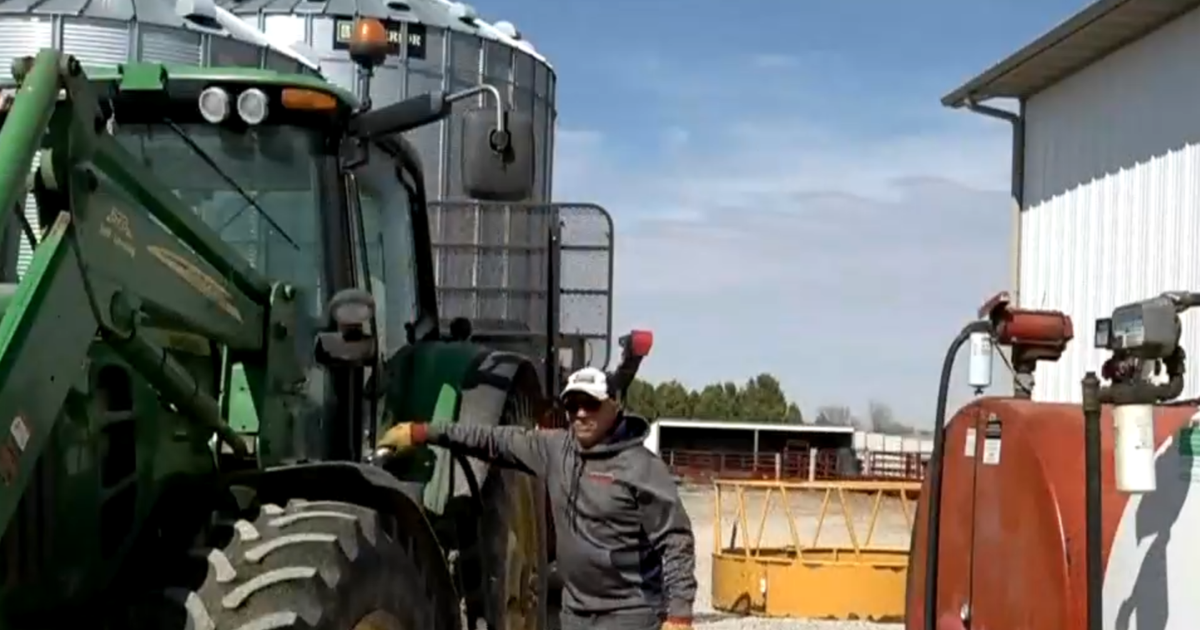
In the rolling farmlands of Vinton, Iowa, Lance Lillibridge stands at a crossroads that many American farmers are facing today. With farming coursing through his veins as a lifelong occupation, Lillibridge finds himself confronting what he describes as one of the most challenging periods in his agricultural career. As spring planting season approaches—traditionally a time of hope and renewal for farmers—Lillibridge instead faces mounting anxiety about the future of his livelihood. The convergence of international conflict, specifically the war involving Iran, has created a domino effect that’s hitting rural America hard. For farmers like Lillibridge, who have weathered countless seasons of unpredictable weather, market fluctuations, and the inherent uncertainties of agricultural life, this current crisis feels different. It’s not just another challenge to overcome; it represents a fundamental threat to the way of life that has sustained farming communities for generations. The timing, as Lillibridge bluntly states, couldn’t be worse, arriving just as farmers need to make critical decisions about their spring planting investments.
The Crushing Weight of Rising Costs
The economic pressures facing American farmers have reached alarming levels, with costs spiraling in multiple directions simultaneously. The war’s impact on global supply chains has sent the prices of essential farming inputs soaring to unprecedented heights. Ammonia, a crucial fertilizer ingredient that farmers depend on to nurture their crops, has seen prices jump approximately 20% since the conflict began. Even more dramatically, urea—another vital fertilizer component—has skyrocketed by around 50%, according to data from Oxford Economics. These aren’t minor fluctuations that farmers can absorb; they represent fundamental shifts in the cost structure of modern agriculture. Adding fuel to the fire—quite literally—diesel prices have surged by 43.5% as tracked by AAA, affecting every aspect of farm operations from plowing fields to transporting goods to market. For Lillibridge, these increases translate to a staggering 25% rise in his overall operating costs compared to last year alone. This isn’t just about numbers on a spreadsheet; it’s about the viability of family farms and the people who dedicate their lives to feeding the nation. The psychological toll is evident in Lillibridge’s words when he expresses feeling like “the world is trying to take this all away from us right now.”
Understanding the Broader Agricultural Crisis
Scott Marlow, an agricultural policy expert and former deputy administrator of farm programs at the USDA Farm Service Agency, provides important context for understanding this crisis. As he emphasizes, this situation is fundamentally different from typical market-driven challenges because it’s “not driven by either the person producing the food or the person buying it.” This observation highlights the helplessness that both farmers and consumers feel in the face of global geopolitical events beyond their control. The ramifications extend throughout the entire food production chain, creating what economists call a cascading effect. From the moment a seed is selected and planted, through every stage of cultivation, harvest, processing, and transportation, the increased costs of fuel and fertilizer leave their mark. Each step in this complex process relies on diesel fuel for machinery and transportation, while fertilizers remain absolutely essential for maintaining crop yields that feed millions of Americans. The agricultural system operates on thin margins even in the best of times, and these additional pressures threaten to push many operations past their breaking point. What makes this particularly concerning is that unlike weather-related challenges that might affect one season or region, these cost increases affect every farmer in every corner of the country simultaneously.
The Consumer Connection: From Farm to Table
While farmers bear the immediate brunt of these increased costs, American consumers will inevitably feel the impact when they visit their local grocery stores. Marlow’s analysis makes clear that these agricultural cost increases don’t remain isolated on the farm—they ripple through the entire food supply chain until they reach the checkout counter. The price Americans pay for bread, meat, dairy products, and fresh produce all trace back to the fundamental costs of growing crops and raising livestock. When diesel prices surge by more than 40% and fertilizer costs explode by similar or greater amounts, those increases must be absorbed somewhere in the system. Farmers operating on already razor-thin profit margins cannot simply absorb these costs without passing them along, yet they also cannot raise prices so high that they price themselves out of the market. This creates an impossible squeeze where farmers earn less while consumers pay more—a lose-lose situation for everyone except the middlemen in the supply chain. The broader economic implications extend beyond individual household budgets to affect inflation rates, consumer confidence, and overall economic stability. Major stock market indexes have already reflected concerns about rising oil and gas prices, signaling that investors understand the wider economic vulnerabilities these agricultural challenges represent.
An Industry Already on the Brink
The timing of this crisis makes it particularly devastating because American agriculture was already struggling before these new challenges emerged. For two consecutive years leading up to this current crisis, farm bankruptcies had been increasing—a troubling trend that suggested structural problems in the agricultural economy. According to the American Farm Bureau Federation, 2024 saw U.S. farm bankruptcies increase by a staggering 46% compared to the previous year. These aren’t just statistics; each bankruptcy represents a family losing their livelihood, a piece of agricultural heritage disappearing, and a community losing one of its anchoring institutions. Farmers had entered this year hoping to recover from those losses, planning to use a good growing season to rebuild their financial stability and perhaps catch up on deferred maintenance or debt payments. Instead, they find themselves facing even more daunting obstacles that threaten to push additional farms over the edge. The psychological burden of operating a business under these conditions cannot be overstated—farmers must commit to significant upfront investments in seed, fertilizer, and fuel before they have any idea what prices their crops will fetch at harvest time. This year, that uncertainty has multiplied exponentially.
The Generational Question: Who Will Farm Tomorrow?
Perhaps the most profound concern raised by Lillibridge touches on the future of American agriculture itself: the question of generational succession. When he asks, “If our kids see us struggling out here, why would they want to take it on?” he’s articulating a fear shared by farming communities across the country. Agriculture has traditionally been passed down through families, with children learning the land and the trade from their parents and eventually taking over the operation. This generational transfer of knowledge, land, and commitment has been the backbone of American farming for centuries. However, when young people watch their parents struggle with impossible economic pressures, work endless hours for diminishing returns, and face the constant threat of losing everything to forces beyond their control, the appeal of continuing the family tradition understandably diminishes. This potential loss of the next generation of farmers poses long-term threats to American food security and rural communities that extend far beyond the immediate crisis. The consolidation of agriculture into larger corporate operations might fill some of the production gap, but it comes at the cost of the family farm model that has historically provided stability, community connection, and stewardship of the land. Lillibridge’s urgent plea that “the situation needs to resolve itself before more damage is done” reflects an understanding that some damage, once done, cannot be easily repaired—particularly the damage to the social fabric of farming communities and the willingness of young people to commit their lives to agricultural work. As America faces these challenges, the question becomes not just whether we can weather this particular storm, but whether we’re willing to protect and support the farmers who feed the nation before it’s too late.