
California’s Audit Accountability Crisis: When Recommendations Fall on Deaf Ears
The Problem That’s Been Hiding in Plain Sight
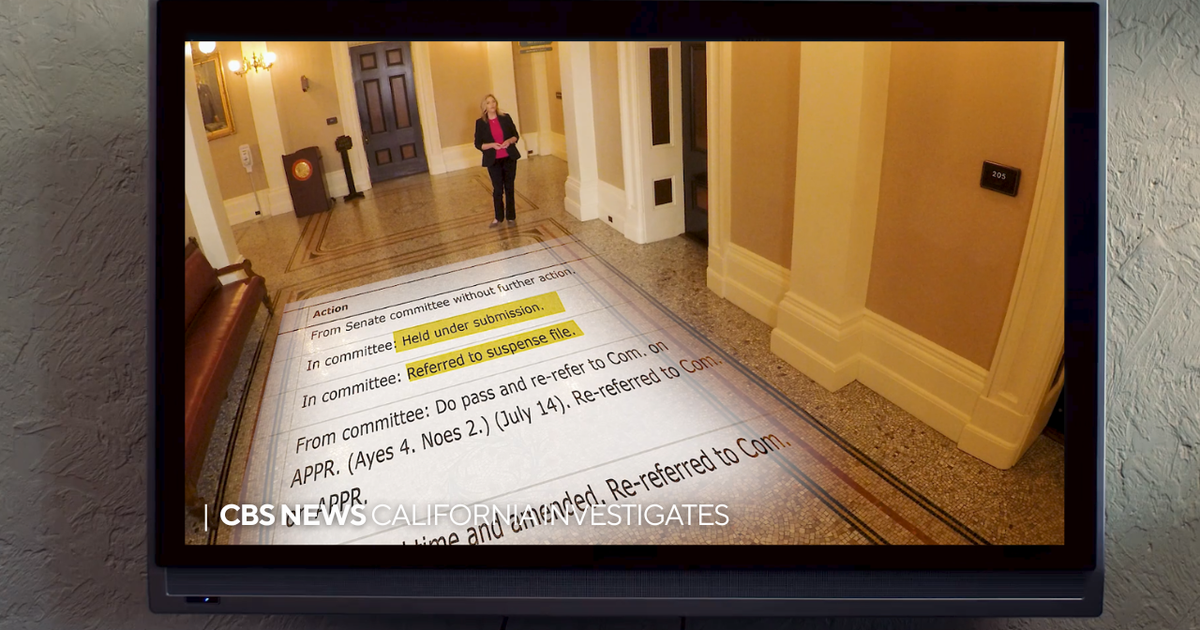
For years, California taxpayers have been funding state audits designed to identify waste, fraud, and oversight failures across government agencies. These weren’t small-scale investigations—they were comprehensive examinations meant to protect public resources and improve how the state operates. The State Auditor’s office would complete these audits, deliver detailed findings, and provide specific recommendations on how to fix the problems they uncovered. It seems like a straightforward system: find the problem, suggest the solution, implement the fix. But a CBS News California investigation has revealed a troubling truth—California lawmakers have largely ignored these recommendations, leaving hundreds of potential improvements gathering dust while taxpayers continue footing the bill for both the audits and the problems they were supposed to solve.
The numbers tell a stark story of governmental dysfunction. When the State Auditor makes recommendations to state agencies, those agencies implement about three out of every four suggestions—an 75% success rate that demonstrates accountability in action. But when those same auditors direct recommendations to the Legislature itself, lawmakers fail to act on roughly three out of every four proposals. That’s a complete reversal, with only about 25% of legislative recommendations actually becoming law. This means more than 300 statutory fixes remain unresolved, representing years of identified problems that continue affecting Californians without remedy. The investigation found that when lawmakers did attempt to address audit findings, their efforts were often quietly killed in committee by former majority party leaders, or vetoed by Governor Gavin Newsom—at least a dozen times in his first term alone. This pattern raises serious questions about whether the state’s audit system, which costs taxpayers millions of dollars, is actually serving its intended purpose when it comes to holding elected officials accountable.
How the System Is Supposed to Work—And Where It Breaks Down
California’s audit accountability framework was established with good intentions. The Omnibus Audit Accountability Act of 2006 created a system requiring the State Auditor to issue annual reports identifying agency recommendations that haven’t been implemented after one year. State agencies must then publicly explain why they haven’t acted or provide a timeline for when they intend to comply. This transparency mechanism has proven remarkably effective—agencies implement roughly 80% of audit recommendations, knowing they’ll face public scrutiny if they don’t.
However, the Legislature exempted itself from these same accountability measures. There’s no required annual summary of unfinished legislative recommendations, no formal explanation requirement when lawmakers fail to act, and no centralized tracking system once bills die in committee or receive a gubernatorial veto. This double standard creates a significant blind spot in California’s government oversight. While agencies operate under constant audit pressure and public accountability, lawmakers face no comparable framework for the recommendations directed at them. The investigation revealed that more than 60 bills were drafted or introduced based on audit findings only to die without resolution. Some stalled due to internal political disagreements, others faced resistance from the very state agencies they were meant to reform, and many were quietly held in committee or placed on the “suspense file”—a legislative holding pattern that often signals leadership opposition—without ever receiving a public vote. This lack of transparency means voters have little insight into why their representatives chose not to act on recommendations designed to improve government efficiency and protect taxpayer dollars.
The Changing Tone Under New Leadership
For years, former State Auditor Elaine Howle voluntarily went beyond her legal requirements by issuing annual reports specifically tracking outstanding recommendations directed to the Legislature. These reports served as comprehensive accountability documents, listing every unresolved legislative recommendation, identifying which policy committee was responsible, and documenting whether related bills were introduced, stalled, passed, or vetoed. Essentially, Howle created the legislative checklist that lawmakers themselves had failed to establish. This reporting provided transparency and kept pressure on the Legislature to address audit findings.
That all changed in 2022 when Howle retired and Governor Newsom appointed Grant Parks as the new State Auditor. The detailed legislative tracking reports were discontinued. According to the auditor’s office, this decision was made to “optimize the use of auditor resources” by redirecting efforts toward core audit work. However, critics and the CBS News investigation suggest this change significantly reduced transparency around legislative accountability. At his first Joint Legislative Audit Committee hearing, Parks signaled a different approach, emphasizing the importance of maintaining a “balanced tone” and “working with the Administration,” while clarifying “We’re not looking out to get people or gain media attention.” The committee chair had previously acknowledged that audits had sometimes created “an adversarial relationship between the Legislature and the Administration”—a characterization that some might argue was exactly the point of independent oversight. Interestingly, while Governor Newsom vetoed at least a dozen audit-related bills during Howle’s tenure, publicly available records show no such vetoes since Parks’s appointment, suggesting a potentially more collaborative—or less challenging—relationship between the auditor and the administration.
The Information Gap That CBS News California Filled
When the State Auditor’s office discontinued its special legislative reports, spokesperson Dana Simas pointed to an upgraded website launched in January 2024, which she said offered “significantly improved user experience” with “detailed search capabilities of recommendations by issue or policy area, agency, and the year the audit was published.” However, the CBS News investigation found critical limitations in this new system. The updated site doesn’t provide a dedicated search function for “Recommendations to the Legislature,” making it extremely difficult for lawmakers or citizens to see the complete picture of outstanding legislative recommendations. When reporters tested the system using public safety as an example, the search function returned just four audit reports with only two visible legislative recommendations—completely overlooking dozens of additional outstanding legislative recommendations in other public safety audits issued over the past five years alone.
To actually identify all the relevant recommendations, users would need to manually search through hundreds of individual audit reports in the archive, a task requiring specialized knowledge and considerable time that most citizens and even busy legislators simply don’t have. This effectively obscures the full scope of unfinished legislative business stemming from audit findings. Recognizing that this information gap undermines government accountability, CBS News California built its own solution: the Legislative Audit Accountability Tracker. This database consolidates a decade of legislative audit recommendations and tracks which bills were introduced in response, which stalled, which passed, which were vetoed, and which remain completely unresolved. The tracker essentially recreates the accountability framework that former State Auditor Howle provided and that the current auditor’s office discontinued. By making this information accessible in one centralized location, CBS News California has given both lawmakers and the public a tool to understand the scope of ignored recommendations and to hold elected officials accountable for either acting on them or explaining why they chose not to.
Lawmakers Acknowledge the Problem and Promise Action
Both Democratic and Republican legislative leaders have acknowledged that the findings of the CBS News investigation are concerning and represent a significant accountability problem. The new Legislative Audit Chair, Democrat Assemblymember John Harabedian, called the findings a “wake-up call” and expressed optimism that the Legislature could finally address the backlog of unimplemented recommendations. “I think that there is a great opportunity with a new class in the Legislature, a new governor, to really tackle these things head-on,” Harabedian said, referring to the fact that nearly half of California’s current Legislature is new this session and that a gubernatorial transition is approaching. Republican Senate Minority Leader Brian Jones was even more direct in his assessment: “Three out of four is ridiculous that that’s not being addressed,” he said, emphasizing that the audit process itself is nonpartisan and comes “with no bias.”
Both lawmakers stressed their commitment to working across party lines to address the problem. “When these reports come back to the legislature, it’s our job to take that information and legislate intelligently,” Jones explained, acknowledging that they need to educate new lawmakers on the importance of state audits and the recommendations they produce. Harabedian indicated he intends to work across committees and across party lines to tackle the backlog systematically: “I’m hoping by the end of this year we tackle some of it, by the next year we tackle more, and we just keep going. We owe it to the people to do that.” These statements represent the first significant acknowledgment from legislative leadership that the current system isn’t working and that lawmakers have a responsibility to act on the audit recommendations that taxpayers fund. The question now is whether these promises will translate into actual legislative action or become yet another set of good intentions that fail to materialize into reform.
The Path Forward: Accountability Restored or More Empty Promises?
The California audit accountability crisis reveals a fundamental problem in how democratic oversight functions when those being watched control whether to act on what the watchdogs find. For decades, the state has invested resources in identifying problems and developing solutions, only to see those solutions ignored by the very people with the power to implement them. The discontinuation of detailed legislative tracking reports under the current State Auditor, combined with the lack of any legal requirement for legislative accountability comparable to what agencies face, has created an environment where inaction carries no consequences. This situation is particularly troubling given that many of the outstanding recommendations address waste, fraud, and oversight failures that directly affect California taxpayers and the quality of government services they receive.
The CBS News California investigation and the Audit Accountability Tracker it produced have restored some transparency to this broken system, giving citizens and lawmakers alike a clear view of what’s been left undone. The bipartisan acknowledgment from legislative leaders that change is needed represents a promising first step, but Californians have heard promises before. What matters now is whether lawmakers will actually introduce bills to address the backlog, whether those bills will receive fair hearings and votes rather than quiet burial in committee, and whether any new governor will support rather than veto these audit-backed reforms. CBS News California has pledged to continue tracking whether these promises become law—an ongoing accountability measure that will be essential to determining whether this moment represents genuine reform or simply another cycle of well-intentioned rhetoric followed by inaction. For the sake of good governance and taxpayer interests, California needs its lawmakers to finally treat audit recommendations with the same seriousness that state agencies are legally required to demonstrate.