


The Mysterious Disappearance of Epstein-Lutnick Photo from DOJ Website
A Controversial Image Vanishes from Public Record
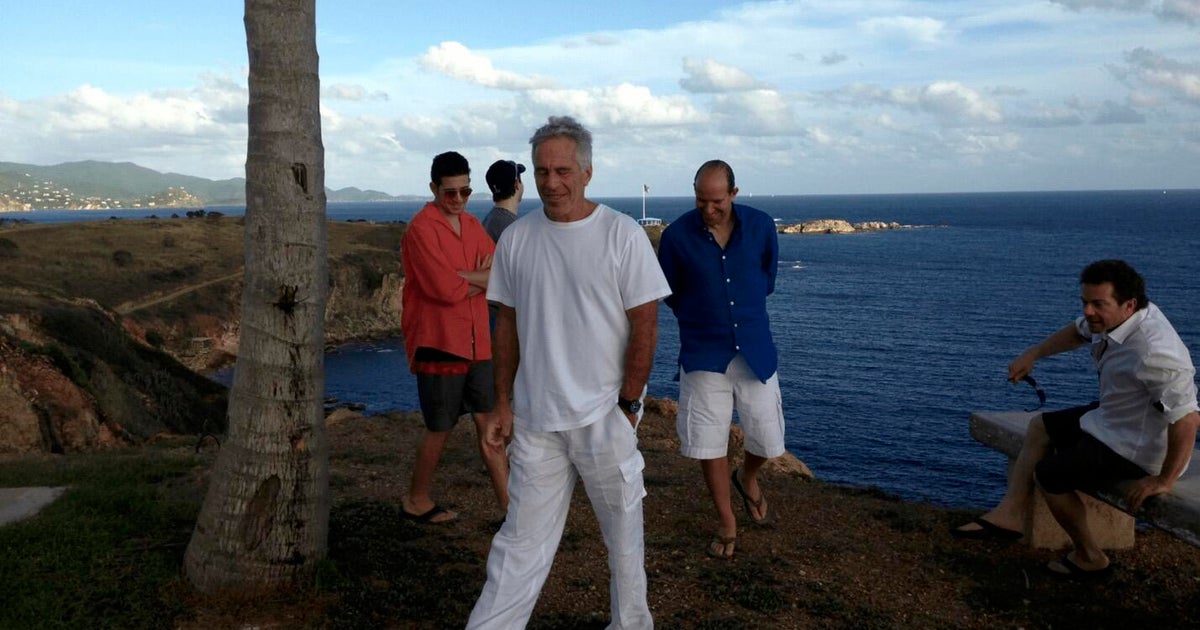
In a development that has raised eyebrows across Washington and beyond, a photograph showing Commerce Secretary Howard Lutnick alongside the late convicted sex offender Jeffrey Epstein has quietly disappeared from the Department of Justice’s website. The image, which was released just last month as part of the extensive Epstein document trove, depicted the two men along with three others standing on an oceanside cliff at Epstein’s infamous Caribbean island. While the photo has been verified as authentic by CBS News, its sudden removal from official government records has sparked questions about transparency and the handling of sensitive information related to one of America’s most notorious criminal cases. The photograph was originally catalogued under file number EFTA01230639, but that link now leads visitors to a dead end with a simple “Page not found” message. Thanks to the Internet Archive’s Wayback Machine and a specialized web interface called Jmail, both of which preserve digital content for posterity, the image remains accessible despite its removal from the DOJ’s official platform. Neither the Commerce Department nor the Justice Department has provided an explanation for why this particular photograph was taken down.
The Island Visit That Won’t Go Away
The context surrounding this photograph becomes even more significant when examined alongside newly released emails from the Epstein files. These communications reveal that in 2012, Lutnick orchestrated what he characterized as a family outing to Little St. James, the private island where Epstein maintained an estate that would later become central to investigations into his criminal activities. The documentary evidence shows that Lutnick, his wife, and their four children were invited for lunch on December 24, 2012—Christmas Eve—a detail that adds a particularly unsettling dimension to the visit. Following the gathering, Epstein’s assistant sent a follow-up message on behalf of her employer, writing simply, “it was nice seeing you.” For someone who would later claim to have severed ties with Epstein years earlier, this casual correspondence suggests a level of comfort and familiarity that contradicts Lutnick’s public statements about the nature and timeline of their relationship.
Defending the Indefensible: Lutnick’s Congressional Testimony
When confronted about his connection to Epstein during congressional testimony earlier this month, Lutnick adopted a stance of forthright acknowledgment while simultaneously attempting to minimize the significance of the encounter. “We had lunch on the island, that is true, for an hour,” he told assembled lawmakers, his words carefully measured. “Then we left with all of my children, with my nannies and my wife all together. We were on family vacation. We were not apart.” His testimony emphasized the wholesome family nature of the visit, as if the presence of children and staff somehow neutralized the questionable judgment of breaking bread with a man already known in certain circles for his disturbing predilections. Lutnick insisted he couldn’t recall the specific reason for the visit but maintained that “to suggest there was anything untoward about that in 2012” was unfair. He concluded with an emphatic declaration: “I have nothing to hide—absolutely nothing.” It’s worth noting that Lutnick has never been accused of any criminal wrongdoing in connection with Epstein, and there’s no evidence suggesting he participated in or had knowledge of Epstein’s crimes. However, the optics of the relationship, particularly for someone holding a Cabinet-level position, remain deeply problematic.
A Timeline That Doesn’t Add Up
The most damaging aspect of the revelations isn’t necessarily the 2012 island visit itself, but rather how it contradicts Lutnick’s previous statements about when he ended his association with Epstein. Lutnick had publicly claimed that he cut off contact with Epstein back in 2005, a timeline that would have placed the severing of ties well before Epstein’s first conviction and imprisonment. However, the documentary evidence tells a very different story. The Epstein files contain proof that the two men were involved in business dealings together as recently as 2014, nearly a decade after Lutnick claims to have ended the relationship. Their shared enterprise centered on Adfin, an advertising company that has since shuttered its operations. Even more tellingly, communications between Lutnick and Epstein continued at least through 2018, just a year before Epstein’s arrest on federal sex trafficking charges. In one email from that year, Epstein reached out to Lutnick with a casual inquiry: “on another note what do you think the prospects for adfin are??” The familiar tone suggests ongoing contact between the two men that extended far beyond a one-time lunch with family members six years earlier.
The Neighborly Connection and Museum Complaint
Beyond their business relationship, Lutnick and Epstein shared another connection that facilitated their continued contact—they were neighbors in one of New York City’s most exclusive areas. This proximity helps explain the casual nature of their interactions and provides context for what might otherwise seem like inexplicable continued contact. A particularly revealing email from 2018 shows Lutnick reaching out to Epstein not about business matters but about a decidedly local concern: an expansion plan for the Frick Collection, a prestigious art museum located near both of their residences. In his message, Lutnick warned Epstein that the renovation project “might block your sunlight and views,” demonstrating a level of consideration for his neighbor’s interests that goes beyond mere acquaintanceship. Lutnick’s email continued with urgent advice: “You should put in a letter. I’m sending a lawyer. Don’t ignore this.” This exchange, mundane as it might seem on the surface, reveals that just one year before Epstein’s final arrest and subsequent death in jail, Lutnick was still actively looking out for Epstein’s interests and maintaining the sort of neighborly relationship that involves sharing legal resources and coordinating responses to local development issues.
Unanswered Questions and the Path Forward
As the controversy continues to unfold, the disappearance of the photograph from the DOJ website adds another layer of mystery to an already complicated situation. Why was this particular image removed? Was it part of a broader review of released materials, or was it specifically targeted for removal? Who made the decision, and what justification was provided internally for taking this step? These questions remain unanswered as both the Commerce Department and the Department of Justice have remained silent on the matter. For Lutnick, who now holds a significant position in the nation’s commerce infrastructure, the revelations serve as a reminder that past associations can carry present consequences, particularly when those associations involve one of the most reviled criminals in recent American history. Epstein’s death by suicide in 2019 while awaiting trial on federal sex trafficking charges ensured that many questions about his network of associates would never be fully answered in a courtroom. However, the ongoing release of documents related to his case continues to shed light on the scope of his connections to powerful figures in business, politics, and society. For the public, the Lutnick-Epstein connection serves as yet another example of how Epstein managed to cultivate relationships with influential individuals, even as warning signs about his character and conduct should have been readily apparent to anyone paying attention.