
Former Surgeon General Dr. Jerome Adams Discusses CDC Leadership and Public Health Challenges
A Qualified Leader Steps Into a Turbulent Role
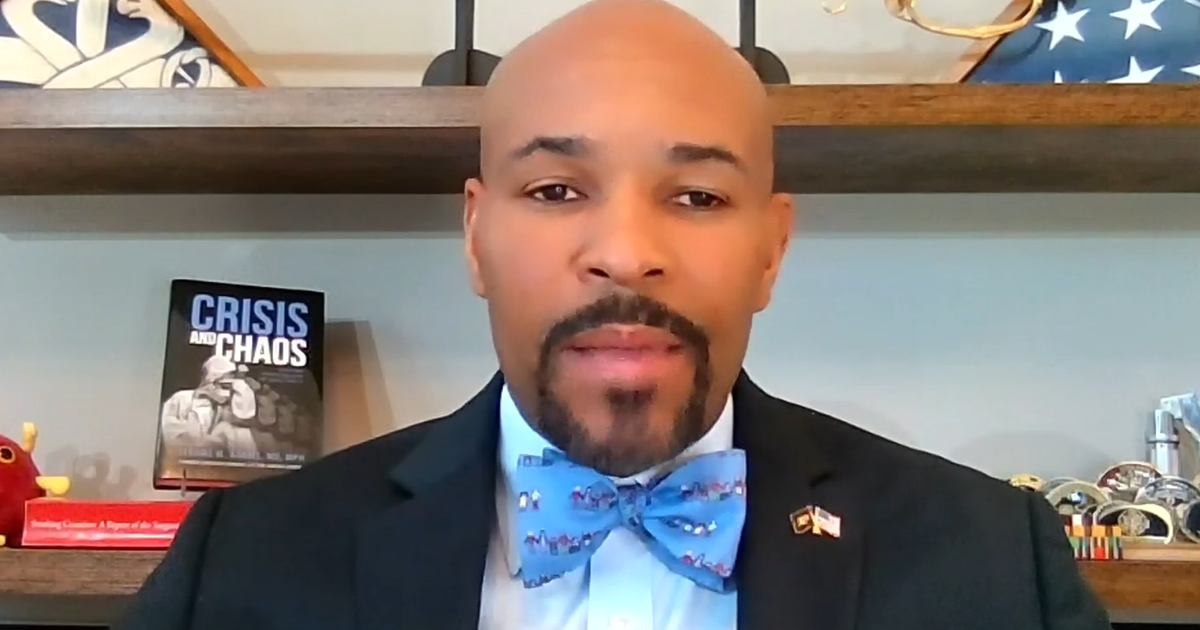
After a month of uncertainty at the Centers for Disease Control and Prevention, the Trump administration has nominated Dr. Erica Schwartz to lead the agency. Dr. Jerome Adams, who served as Surgeon General during the first Trump administration, expressed cautious optimism about this choice during his recent appearance on “Face the Nation.” Dr. Schwartz previously served as Adams’s deputy surgeon general, and he describes her as exceptionally qualified with an impressive background that includes an MD, JD, and MPH, along with over twenty years of public service in both the Coast Guard and the Public Health Service, where she retired as a Rear Admiral. Adams didn’t mince words when he called her a “home run pick,” emphasizing that her qualifications stand out in stark contrast to other health nominees from this administration. The nomination comes at a critical time when political interference in public health decision-making has become a growing concern, and the country desperately needs steady, science-based leadership at the CDC.
However, Adams’s enthusiasm is tempered by significant concerns about the political environment Dr. Schwartz will face if confirmed. The previous CDC director, Dr. Susan Monarez, was fired by Secretary Kennedy just a month into her term, setting a troubling precedent. Even more concerning, the acting CDC director recently suppressed an MMWR report that showed COVID vaccines reduced emergency room visits among healthy adults this winter—a clear example of scientific findings being buried for political reasons. Dr. Schwartz will also have to navigate her confirmation hearing, where she will inevitably face questions about vaccines that will put her at odds with Robert F. Kennedy Jr.’s vaccine-skeptical stance. Adams acknowledges that even if she’s confirmed, she’ll be working in an HHS environment where ideology often trumps evidence, all while dealing with a measles outbreak, demoralized CDC staff, and ongoing budget cuts from DOGE initiatives.
The Measles Crisis and Kennedy’s Evolving Vaccine Stance
The United States is facing a serious public health crisis with over 1,700 measles infections recorded in just the first four months of 2026—the worst measles resurgence the country has seen in decades. This alarming surge comes as vaccination rates have been steadily declining, fueled in part by anti-vaccine rhetoric from high-ranking government officials. During recent congressional testimony, Secretary Kennedy found himself under oath and pressed by Representative Madeleine Dean about whether the MMR vaccine is safe and effective. In what appeared to be a significant shift from his previous positions, Kennedy responded affirmatively, though with qualifications, saying the vaccine is “safe for most people” and acknowledging that getting vaccinated is safer than contracting measles. He even admitted that vaccination might have saved the life of a child who died in a recent Texas outbreak.
Dr. Adams views these statements as Kennedy’s strongest public endorsement of the measles vaccine to date, but he’s not celebrating just yet. He points out that this tepid support appears to be less about scientific conviction and more about political calculation. Reports indicate the White House has instructed Kennedy to tone down his anti-vaccine rhetoric ahead of midterm elections, particularly after polling showed Republicans would face electoral consequences for their anti-vaccine positions. The problem with Kennedy’s qualified and carefully worded responses is that they continue to send mixed messages to the American public at precisely the wrong time. When you’re facing the worst measles outbreak in decades, with falling vaccination rates, preventable outbreaks costing millions in state and local resources, and thousands of school days being missed, lukewarm endorsements from the nation’s top health official simply aren’t good enough. Parents and healthcare providers need clear, unequivocal guidance that the MMR vaccine is safe, effective, and necessary to protect children and communities.
The Harmful Impact of Misinformation on Pregnant Women
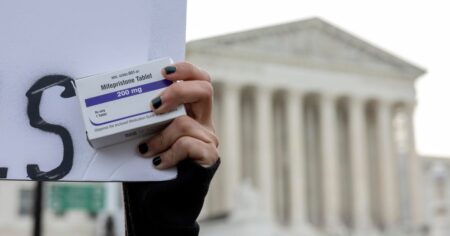
One of the most troubling moments from Secretary Kennedy’s recent congressional testimony involved his continued insistence on linking Tylenol use during pregnancy to autism in children, despite overwhelming scientific evidence to the contrary. Republican Representative Blake Moore of Utah shared a deeply personal story about how Kennedy’s public statements had hurt his wife, whose 10-year-old neurodivergent son Winnie might have led her to feel responsible, even momentarily, for her child’s condition based on whether she took Tylenol during pregnancy. Moore described how his wife felt hurt by the suggestion that she might have caused her son’s neurodivergence through medication use, capturing the real human cost of spreading unsubstantiated health claims. Yet even when confronted with this emotional testimony, Kennedy refused to back down, dismissing studies that show no link between prenatal Tylenol use and autism as “garbage.”
Dr. Adams was unequivocal in his response to this dangerous misinformation. He explained that for pregnant women dealing with fever or significant pain, Tylenol remains one of the safest and most thoroughly studied options available. Suggesting otherwise without credible evidence isn’t just irresponsible—it’s actively dangerous to both mothers and babies. The study Kennedy dismissed as “garbage” was actually a Danish research project involving 1.5 million children that provided clear, high-quality evidence showing pregnant women who use Tylenol do not have an increased risk of having children with autism. In fact, the study found they had a lower risk. Adams emphasized that science advances through rigorous data analysis, not through dogma, dismissal, or personal beliefs. The real-world consequences of this misinformation are severe: pregnant women suffering from fever or pain might avoid safe, effective medication out of unfounded fear, potentially leading to worse outcomes for themselves and their babies. Moreover, as Representative Moore’s testimony illustrated, these claims stigmatize parents of neurodivergent children and cause unnecessary guilt and pain.
Psychedelics Research: Promising Science Overshadowed by Spectacle
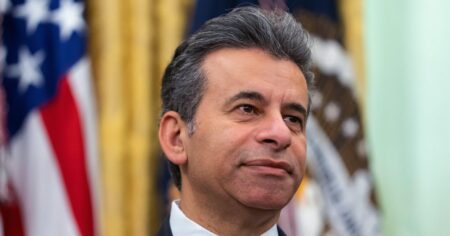
In a surprising announcement made in the Oval Office, President Trump unveiled a new initiative to boost federal research into psychedelic drugs, particularly ibogaine and psilocybin, and make them more available for therapeutic use. The announcement featured an unusual assembly of guests, including podcaster Joe Rogan and several Navy SEALs, creating what Dr. Adams described as a “spectacle resembling a WWE promotion.” Despite the circus-like atmosphere, Adams acknowledged that the underlying policy has merit and addresses a genuine public health need. Nearly 15 million Americans experience serious mental illness each year, and among veterans, that number rises to approximately one in four. For many of these individuals, traditional treatments have proven ineffective, making research into alternative therapies critically important.
The executive order itself contains several reasonable provisions: it directs $50 million toward research funding, instructs the FDA to prioritize reviews for breakthrough therapy designations, and directs both the FDA and DEA to reduce barriers under Right to Try legislation for patients with life-threatening conditions. Importantly, the order maintains full FDA and DEA oversight, meaning it doesn’t represent legalization or reclassification of these controlled substances. Early studies of psychedelics like ibogaine and psilocybin have shown potential for rapid improvements in symptoms and functioning, particularly in treatment-resistant cases. However, Adams expressed concern that the theatrical rollout—complete with celebrity endorsements and military imagery—undermined the serious scientific content of the initiative. As critics like Kevin Sabet pointed out, the spectacle overshadowed what could have been a productive and evidence-based policy announcement. When dealing with mental health treatment and controlled substances, the focus should be on rigorous research protocols and patient safety, not entertainment value.
Navigating Political Pressure in Public Health
The current state of public health leadership in America reveals a troubling pattern of political interference with scientific decision-making. Dr. Adams’s cautious response to Dr. Schwartz’s nomination reflects a broader concern among public health professionals: that even highly qualified experts will struggle to maintain scientific integrity in an environment where political ideology frequently overrides evidence. The suppression of the CDC report on COVID vaccine effectiveness represents just one example of how political considerations are shaping what information reaches the American public. When acting directors feel pressure to withhold positive data about vaccine effectiveness during an ongoing pandemic, it signals a fundamental breakdown in the relationship between science and policy.
This political environment creates impossible situations for public health leaders who must balance their professional obligations with political realities. Dr. Schwartz, if confirmed, will inherit an agency dealing with low morale, budget cuts, and a growing measles outbreak—all while working under a Secretary who has spent years promoting vaccine skepticism. The fact that Kennedy only offered qualified support for the MMR vaccine when under oath and facing electoral pressure demonstrates that public health guidance is being calibrated for political advantage rather than public welfare. Adams’s experience as Surgeon General gives him unique insight into these challenges, and his measured optimism about Dr. Schwartz’s nomination reflects the reality that even exceptional leaders can only accomplish so much when the institutional environment actively works against science-based decision-making.
The Path Forward for Evidence-Based Public Health
Despite the numerous challenges facing America’s public health infrastructure, there are reasons for cautious hope. The nomination of Dr. Erica Schwartz suggests that someone in the administration recognizes the need for qualified, competent leadership at the CDC, even if that recognition is partly motivated by electoral concerns. The fact that polling showed Republicans would face consequences for anti-vaccine positions indicates that the American public still values science-based health policy, even in our polarized political environment. The psychedelics research initiative, despite its problematic rollout, demonstrates openness to exploring new treatment options for the mental health crisis affecting millions of Americans, particularly veterans who have served their country and deserve access to effective care.
Moving forward, the public health community must continue advocating for evidence-based policies while acknowledging political realities. Dr. Adams’s interview demonstrates this balanced approach—he offers genuine praise for qualified nominees and reasonable policies while maintaining clear-eyed criticism of misinformation and political interference. For ordinary Americans trying to make health decisions for themselves and their families, the message should be clear: trust established science over political rhetoric, seek information from credible medical sources, and demand that elected officials prioritize public health over political calculation. The measles outbreak, declining vaccination rates, and suppression of scientific data all represent serious threats that require urgent attention. Whether leaders like Dr. Schwartz will have the institutional support and political backing needed to address these challenges remains an open question, but the stakes for American public health couldn’t be higher.