
Congressional Investigation into Epstein Documents Intensifies Amid Allegations of Government Cover-Up
Democrats Push for Full Transparency Despite Limited Power
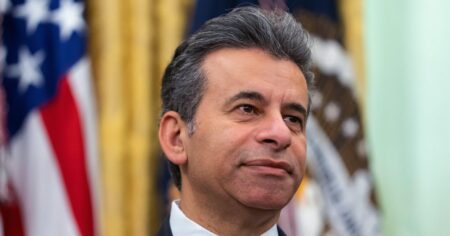
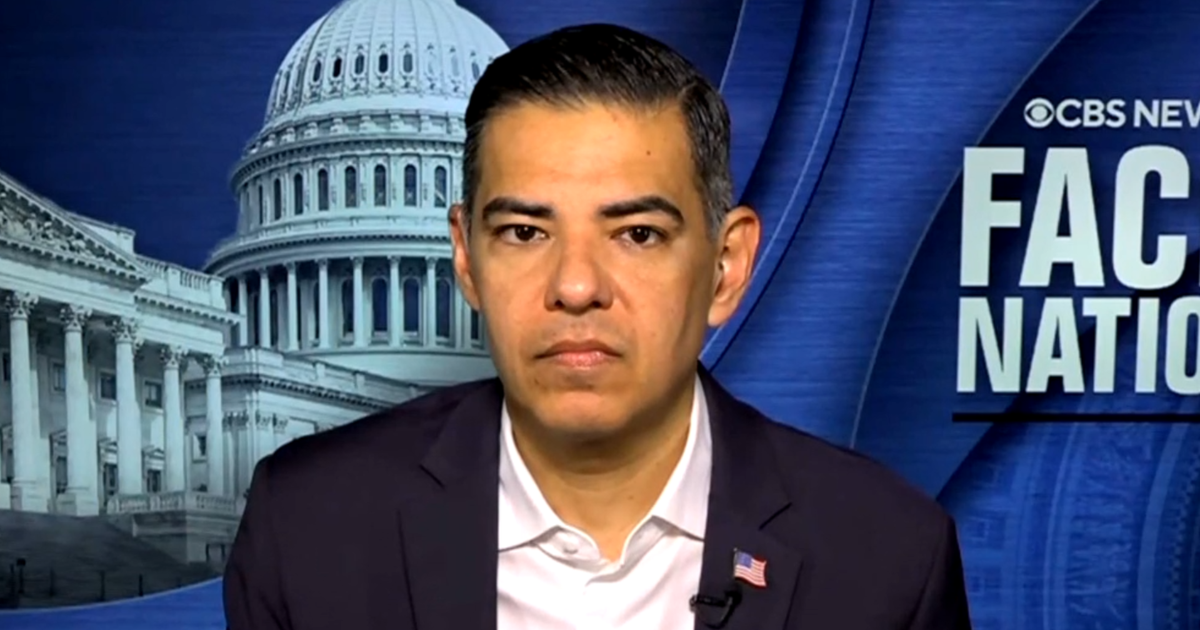
In a revealing interview on “Face the Nation,” California Representative Robert Garcia, the top Democrat on the House Oversight Committee, outlined his party’s aggressive push to uncover the full truth behind the Jeffrey Epstein documents recently released by the Department of Justice. Despite being in the minority and lacking control of the committee, Garcia is leading an unofficial but determined investigation into what he characterizes as a massive government cover-up. The congressman, who previously served as mayor of Long Beach, didn’t mince words when describing his concerns about both immigration enforcement operations and the incomplete release of the Epstein files. His comments reveal the deep frustration Democrats feel about their limited ability to conduct oversight in the current political climate, while also highlighting the bipartisan interest—at least among the public—in getting to the bottom of the Epstein scandal that has captivated and horrified Americans for years.
Allegations of Cover-Up at the Highest Levels
Representative Garcia leveled serious accusations against the current administration, claiming that the White House and Department of Justice are actively working to protect powerful individuals connected to Jeffrey Epstein. According to Garcia, approximately half of the Epstein files have not been released to either the public or Congress, and those that have been made available are heavily redacted in ways that seem designed to protect the wealthy and powerful rather than the victims. The congressman expressed particular outrage that survivors’ names sometimes appear unprotected in the documents, while the names of billionaires and potential co-conspirators remain redacted. Garcia specifically questioned why President Trump continues to, in his view, protect these powerful men, and he vowed that Democrats won’t stop pressing until justice is served for the survivors of Epstein’s alleged crimes. The Justice Department has countered these allegations by stating they’ve released everything legally permissible, with remaining redactions protecting attorney-client privilege, victim information, and graphic material involving minors.
The Scope and Challenges of the Investigation
The scale of the investigation Garcia and his team have undertaken is staggering. With approximately 3.5 million pages of documents released, the congressman acknowledged it would take more than seven years for members to properly review all the redactions. Despite this overwhelming challenge, Garcia confirmed that his team is actively reviewing every document available, examining redactions, piecing together evidence, interviewing survivors, and speaking with key witnesses. The investigation isn’t limited to document review—the committee plans to hold public hearings in the future to ensure transparency. Garcia outlined three main areas of focus: identifying all men who were either co-conspirators or directly involved in victimizing women and children; following the money trail to understand who financed Epstein’s operation and where those funds came from and went; and determining who else was involved in the trafficking operations beyond Ghislaine Maxwell, who was convicted for her role. The congressman raised particular questions about why Mar-a-Lago appeared to be a location where women were trafficked from, adding another layer of political sensitivity to the investigation.
High-Profile Witnesses and Upcoming Testimony
The committee has already begun calling witnesses and issuing subpoenas to individuals connected to Epstein. Garcia revealed that his team will be interviewing Les Wexner this coming week—the billionaire retail magnate who was likely Epstein’s single largest financial benefactor. The committee has also reached out to the man formerly known as Prince Andrew, though they haven’t received a response yet. Garcia pointed to developments in the United Kingdom, where government officials have been more responsive to public pressure regarding Epstein connections, as an example of what should happen in America. Regarding Commerce Secretary Howard Lutnick, Garcia noted that despite Lutnick’s claims of not having seen Epstein in years, evidence shows he visited Epstein’s private island with his family in 2012 and maintained business interests with him in 2014—well after Epstein’s conviction for crimes against children. The congressman has asked Republican Chairman Jim Comer to bring Lutnick in for questioning but has received no response. Additionally, the committee voted last month to hold Bill and Hillary Clinton in contempt of Congress for failing to appear for testimony, though they are now scheduled for closed-door testimony later this month, with both Clintons requesting that the hearings be made public—a request Garcia supports.
Questions About Past Failures and Systemic Problems
Beyond investigating who was involved with Epstein, Garcia emphasized the importance of understanding why law enforcement and government agencies failed to properly investigate these allegations when they first emerged years ago. He raised troubling questions about where the FBI and DOJ investigations were when accusations and stories from victims were initially reported. Importantly, Garcia acknowledged this isn’t just about failures during Republican administrations—he pointed out that Democratic administrations also failed to properly pursue these cases. This bipartisan critique suggests that the problems go deeper than partisan politics and may reveal systemic issues in how powerful individuals are treated by law enforcement and the justice system. The congressman’s willingness to investigate and question officials regardless of their political affiliation—including former President Clinton—demonstrates an approach focused on accountability rather than political advantage. However, Garcia also made clear his belief that the current administration’s handling of the document release constitutes an active cover-up, creating tension between the desire for non-partisan justice and the political realities of the moment.
Immigration Enforcement Concerns Take a Back Seat
While Garcia began the interview by addressing concerns about Immigration and Customs Enforcement (ICE) and border patrol operations that he characterizes as “completely out of control,” these issues were quickly overshadowed by the focus on the Epstein investigation. Garcia described hearing stories of U.S. citizens being shot, veterans being detained without cause, and children as young as four or five being deported or placed in detention. He accused President Trump of turning the Department of Homeland Security and ICE into his “personal police force,” creating terror across the country. Garcia noted that while some Republicans are beginning to show concern about these operations, no Republican committee chairman has come forward to publicly investigate the allegations of wrongdoing. The congressman suggested that House Speaker Mike Johnson simply does whatever President Trump wants, preventing any real oversight from the Republican-controlled Congress. This situation illustrates the challenges minority party members face in conducting meaningful oversight when they lack subpoena power and the cooperation of the majority. Despite holding unofficial hearings on ICE operations, Democrats have little practical ability to force accountability without Republican support—support that appears unlikely to materialize given the current political dynamics and the Speaker’s close alignment with the administration’s immigration enforcement priorities.