
Senator Warner Warns of Costly War of Choice in Iran
Democratic Senator Raises Alarms About U.S. Military Engagement
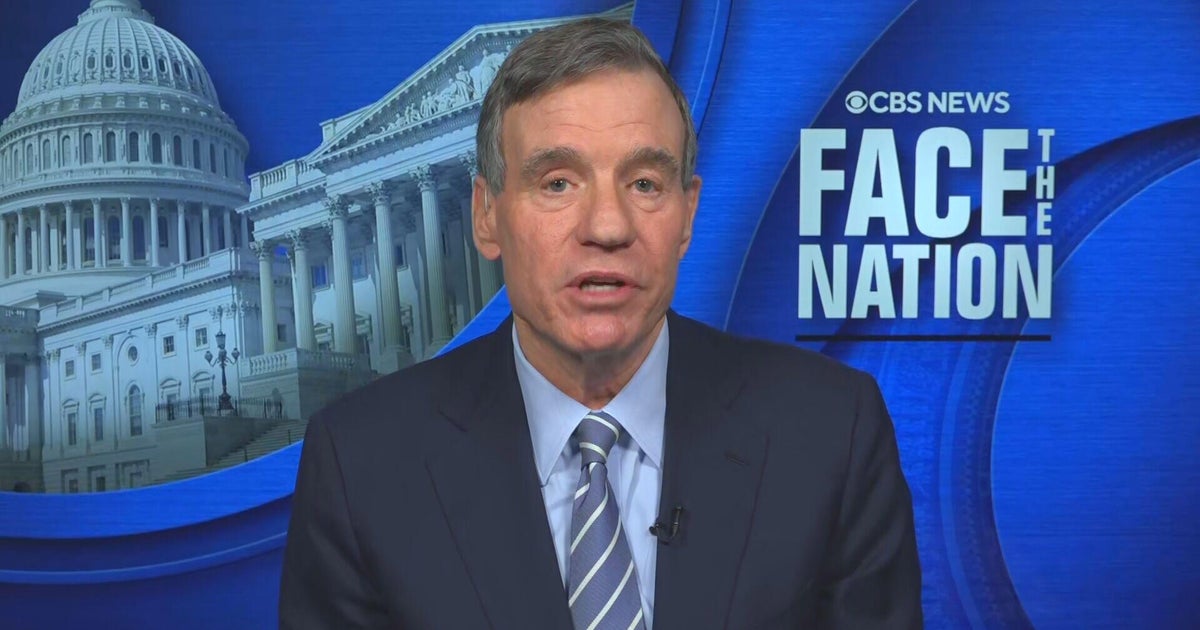
In a revealing interview on “Face the Nation,” Senator Mark Warner of Virginia, the leading Democrat on the Senate Intelligence Committee, delivered a sobering assessment of America’s current military involvement in Iran. Speaking from Charlottesville, Senator Warner didn’t mince words when describing the conflict as “a war of choice, chosen by the president.” His candid remarks highlighted deep concerns about how the United States found itself in this position and the significant challenges that lie ahead. According to Warner, who has access to classified intelligence briefings, there was no imminent threat from Iran against the United States before military action began. He referenced Secretary of State Marco Rubio’s public statement that essentially confirmed the administration knew Israel was planning to strike Iran and decided to strike first, anticipating Iranian retaliation. This decision-making process, Warner suggested, bypassed the normal deliberative approach that has kept previous administrations from taking such dramatic action. The senator emphasized that while the Iranian regime has indeed been problematic for 47 years, there were substantive reasons why earlier presidents—including President Trump during his first term—chose not to pursue military conflict with Iran, given the extraordinary complications such a war would present.
The Reality Check: Mission Goals Far From Achieved
Senator Warner systematically addressed the administration’s stated objectives for the Iranian conflict, painting a picture of goals that remain largely unmet despite ongoing military operations. The four primary aims—regime change, securing enriched uranium, eliminating missile capabilities, and reopening the Strait of Hormuz—were only clearly articulated about ten days into the war, according to Warner. He pointedly noted that “on any honest assessment, I don’t think we’ve accomplished any of them so far.” Perhaps most concerning was his discussion of what it would actually take to secure Iran’s enriched uranium, a key nuclear material. Warner revealed that every intelligence estimate he has reviewed indicates that at least 10,000 American troops would be required just to guard a perimeter around the bunkers where this volatile material is stored. Then additional forces would need to enter these underground facilities for days at a time to extract the uranium—all while remaining vulnerable to Iranian attacks on their own bunkers. The irony of regime change wasn’t lost on Warner either, as he noted that the new Iranian leadership that has emerged is actually more radical than what preceded it. Meanwhile, while U.S. forces have successfully taken down many Iranian ballistic missiles and rescued downed pilots, the Iranians still possess thousands of drones and numerous missiles, maintaining significant capability to continue the fight.
Economic Consequences Hit American Wallets Hard
The economic impact of the Iranian conflict has been swift and severe, touching everyday Americans in the most direct way possible—at the gas pump. Senator Warner provided stark figures to illustrate this point: just 40 days before the interview, gasoline in Virginia cost $2.81 per gallon; it had since climbed to over $4.00. This dramatic increase exemplifies the broader economic disruption caused by the closure of the Strait of Hormuz, a critical chokepoint through which a substantial portion of the world’s oil supply travels. Warner emphasized the bitter irony that the strait was actually open before the war started, and even if the president were to declare victory immediately, Americans would be dealing with elevated fuel prices for months to come. The ripple effects extend far beyond gasoline, affecting natural gas prices as well. The global nature of this economic shock became clear as Warner described how Asian countries are now shutting down their economies one day per week because oil prices have skyrocketed so dramatically. Since the United States imports significant amounts of goods from Taiwan, South Korea, and other Asian nations, American consumers will inevitably face higher prices across a wide range of products. The senator’s message was clear: the economic pain from this conflict will be long-lasting and widespread, affecting far more than just the cost of filling up your car.
China and Russia Benefit While America Funds Its Adversaries
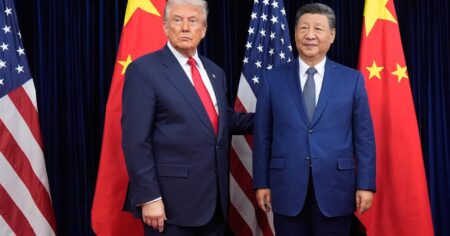
In what Senator Warner described as “insanity,” the Trump administration’s approach to sanctions has inadvertently provided billions of dollars to America’s adversaries. By releasing sanctions on Russian oil, the administration has handed approximately $10 billion to Putin’s regime. Even more problematic, Warner argued, is the release of sanctions on Iranian oil at sea, which has funneled an estimated $14 billion directly to the Iranian government—money that Tehran is now using to purchase weapons from China and other suppliers to attack American troops. Warner also addressed CNN and New York Times reports that China is preparing to deliver new air defense systems to Iran within weeks. While China attempts to maintain plausible deniability by claiming such support comes from private sector companies, Warner dismissed this explanation outright. “We all know there is no such thing as a true private sector in China,” he stated. “Every company in China has to have its first loyalty to the Communist Party.” This Chinese support represents a significant escalation in Iran’s defensive capabilities at precisely the moment when U.S. forces are engaged in active combat operations. The senator’s frustration was palpable as he described how administration policies ostensibly aimed at lowering oil prices have instead funded the very forces shooting at American service members—a strategic contradiction that defies logical explanation.
Public Support Doesn’t Match Reality of Ground War
Senator Warner acknowledged that polling shows Americans broadly support the aspirational goals of the Iranian conflict. Impressive majorities favor reopening the Strait of Hormuz (87%), ensuring freedom for the Iranian people (81%), permanently stopping Iran’s nuclear program (76%), and ousting current Iranian leaders before ending the war (55%). However, Warner suggested there’s a crucial disconnect between supporting these objectives in principle and understanding what would actually be required to achieve them. When you ask the follow-up question—are Americans willing to send their sons and daughters into a ground war in the Middle East to extract that enriched uranium?—Warner says he hasn’t found any volunteers. This gap between aspirational support and willingness to pay the actual cost in American lives represents the central tension in the current debate. The senator’s position reflects a growing concern among some lawmakers that the administration launched military action without fully preparing the American people for the scope, duration, and sacrifice that achieving the stated objectives would genuinely require. While Warner expressed agreement with all the goals articulated by the American people in polling, he questioned whether the administration had honestly presented what accomplishing those goals would entail. His reluctance to commit to supporting additional funding requests—saying only that he would “take a look at anything”—suggests that Democrats may use the power of the purse to force a broader conversation about the war’s continuation and objectives.
Congressional Dysfunction Compounds National Challenges
As if the Iranian conflict weren’t challenging enough, Senator Warner also addressed the ongoing dysfunction in Washington that has resulted in a 58-day shutdown of the Department of Homeland Security. This standoff revolves around funding for Immigration and Customs Enforcement (ICE) and Customs and Border Protection (CBP), with Republicans preparing to fund these agencies through a party-line process called reconciliation. Warner pointed out that the Senate achieved a rare unanimous 100-0 vote to fund all other parts of DHS except ICE, demonstrating genuine bipartisan support for keeping the government functioning. However, the House Speaker rejected this compromise, leaving the situation unresolved. Warner suggested that Americans might be reconsidering their support for aggressive ICE operations, particularly after incidents like what occurred in Minneapolis, where enforcement actions reportedly put American citizens’ lives in jeopardy and resulted in arrests of not only undocumented immigrants but U.S. citizens as well. The broader message from Warner’s interview was one of concern about hasty decision-making with insufficient deliberation. Whether discussing the decision to go to war with Iran or the inability to maintain basic government funding, the senator painted a picture of an administration and Congress struggling to balance competing priorities while the American people bear the consequences through higher prices, economic uncertainty, and questions about whether their government is functioning in their best interests.